Former site museum of CFS
A Journey Through the Reels of Time: Exploring Changchun Film Studio
Introduction: The Cradle of Chinese Cinema
Nestled in the city of Changchun, the Changchun Film Studio (CFS) stands not merely as a museum or a historical site, but as the foundational pillar of modern Chinese cinematic history. Revered as the first film studio established in the People's Republic of China, it earned the enduring title "the cradle of New China's film industry." Its legacy is quantified in groundbreaking achievements, notably the creation of "seven firsts" in the nation's film annals, and qualitatively in the profound cultural impact of its stories. For any visitor with an interest in film, history, or the cultural fabric of 20th-century China, a visit to CFS is a pilgrimage into the very heart of where moving pictures began to shape a national identity.
The Historical Legacy: Foundations and Firsts
The studio's historical significance is immense. Founded in 1945 (with its predecessor, the Northeast Film Studio, established in 1946), it was the primary cinematic force in the nascent years of the People's Republic. The "seven firsts" it proudly claims include the first feature film, the first documentary, the first science film, the first animated feature, the first multi-part film, the first film translated and dubbed from a foreign language, and the first film presented in a widescreen format within New China. This pioneering spirit fueled an extraordinary output: over 900 original feature films and more than 1,000 dubbed foreign films from various countries were produced here. This body of work did more than entertain; it educated, mobilized, and reflected the hopes and struggles of a nation through decades of transformation.
Inside the Museum: A Treasure Trove of Memories
The studio now functions as a comprehensive museum, meticulously curating this vast legacy across multiple exhibits. The experience is designed to be immersive, taking visitors on a chronological and thematic journey.
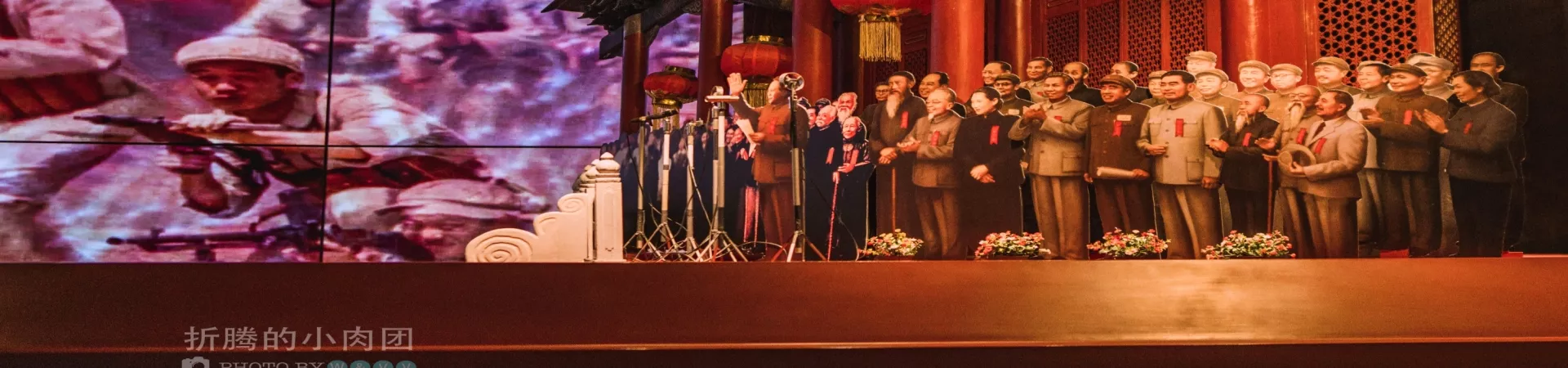
2.1. The Hall of History and Milestones This section provides the foundational narrative, detailing the studio's establishment, its evolution through different historical periods, and the stories behind its legendary "firsts." Archival photographs, documents, and explanatory panels outline how CFS navigated the challenges of its time to build a film industry from the ground up.
2.2. The Gallery of Iconic Films and Props Here, the studio's legendary output comes to life. While masterpieces like Five Golden Flowers, Shanggan Ridge, Heroic Sons and Daughters, Third Sister Liu, and The White-Haired Girl are highlighted for their monumental influence on generations of Chinese audiences, the exhibit scope is vast, covering hundreds of titles. The true magic lies in the extensive collection of original props, costumes, set pieces, and filming equipment. Seeing the actual cameras, vintage microphones, detailed wardrobe items, and handheld artifacts used in these classic films bridges the gap between history and tangible reality.
2.3. The Avenue of Stars: Celebrating Talent CFS was not just a production house; it was a training ground that launched the careers of countless luminaries. This gallery pays homage to the directors, screenwriters, cinematographers, and actors who began or made their names at Changchun. Portraits, biographical sketches, and personal effects tell the stories of the stars who became household names, showcasing the studio's role as an unparalleled talent incubator in Chinese cinema.
Practical Information for Your Visit
3.1. Location and Transportation The Changchun Film Studio Museum is located within the studio complex in Changchun. The most straightforward public transportation option is to take the Night Bus 55 (Ye 55 Lu) and alight at the "Dianyingchang" (Film Studio) bus stop. From there, the museum entrance is within short walking distance. Taxis and ride-hailing services in the city are also readily available and can navigate directly to the site.
3.2. Admission Fees and Opening Hours * Admission Fee: The standard ticket price is approximately 90 RMB per person. It is always advisable to check the official website or onsite notices for any seasonal discounts, group rates, or special exhibition surcharges. * Opening Hours: * May 1st - October 7th: 09:00 - 17:00, with last admission at 16:00. * October 8th - April 30th: 09:00 - 16:30, with last admission at 15:30. * The museum is generally open seven days a week, but hours can be subject to change on national holidays or for maintenance.
3.3. Planning Your Experience: Duration and Tips * Suggested Duration: A thorough exploration of the museum's exhibits requires a minimum of 1.5 to 3 hours. Film enthusiasts or those interested in detailed historical study may wish to allocate even more time. * Visitor Tips: * Verification: All practical information regarding fees and hours is subject to change. It is highly recommended to verify the latest details through official channels before your visit. * Content: The museum's narrative and descriptions are primarily in Chinese. International visitors may benefit from using a translation app for deeper understanding or considering the availability of audio guides. * Facilities: The complex typically includes basic visitor amenities such as restrooms and a gift shop where film-related memorabilia can be purchased.
The Enduring Cultural Impact
Beyond the statistics and artifacts, the true weight of Changchun Film Studio lies in its cultural imprint. The films produced here were the blockbusters and artistic touchstones of their era. They shaped social values, defined popular culture, and provided a shared visual and emotional language for millions. The melodies from Five Golden Flowers or Third Sister Liu, the heroic sacrifice in Shanggan Ridge, and the poignant struggles in The White-Haired Girl are embedded in the collective memory. The museum successfully captures this, presenting CFS not as a relic of the past, but as a living testament to the power of film to document history, inspire nations, and tell timeless human stories. Walking through its halls, one does not just see old cameras and posters; one hears the echoes of dialogues that moved a country and feels the resonance of stories that helped build a modern cultural consciousness.