The Cultural Square
Subtitle: A Tapestry of History, Leisure, and Architectural Grandeur in the Heart of Changchun
1. Introduction: The Living Room of Changchun Nestled in the very core of Jilin Province's capital, Changchun Cultural Square stands not merely as the city's largest public leisure plaza but as a profound historical canvas and a vibrant social hub. It is a space where the weight of history gracefully intertwines with the lighthearted rhythms of daily urban life, offering visitors a multifaceted experience that is simultaneously contemplative and invigorating. More than just an open space, it is the symbolic and functional "living room" of Changchun, a must-visit destination for anyone seeking to understand the city's layered identity, from its tumultuous past to its dynamic present.
2. Historical Context: Echoes of a Contested Past To fully appreciate the Cultural Square of today, one must acknowledge its complex origins. The square's history is deeply rooted in the early 20th century, a period when Changchun served as the capital of the Japanese puppet state of Manchukuo. Initially planned and constructed during that era, it was designed to be the grand capital plaza for the pseudo-imperial regime, situated directly south of the monumental palace intended for Emperor Puyi. This planned palace foundation later evolved into the Geological Palace that anchors the square today. This historical layer imbues the expansive grounds with a solemn gravity, transforming a simple stroll into a walk through a pivotal chapter of modern Northeast Chinese history. The square, therefore, serves as a silent testament to resilience and reclamation, having been transformed from a symbol of occupation into a people-centric space for cultural celebration and public enjoyment.
3. Layout, Landmarks, and Architectural Harmony The square's design is a masterclass in symmetrical, axial planning, creating a visually stunning and intuitively navigable environment. The experience unfolds along a grand north-south axis, guiding visitors through a sequence of distinct yet harmonious zones.
3.1. The Southern Gateway and Central Icon: The Sunbird Sculpture Approaching from the south, visitors are immediately drawn to the square's most iconic centerpiece: the magnificent Sunbird Sculpture. This modern metallic artwork, depicting a stylized bird in flight against a sun motif, has become the definitive symbol of the square. It represents aspirations for vitality, peace, and a bright future, offering a striking focal point for photographs and a popular gathering spot.
3.2. The Northern Progression: Music, Gardens, and Grandeur Moving north from the Sunbird, the space opens up towards the Open-Air Music Terrace. This amphitheater-like structure is the cultural pulse of the square, frequently hosting public concerts, cultural performances, and community events, especially in the warmer months, filling the air with melody and energy. Crossing the main east-west road that gently bisects the square, one enters the more formal Front Courtyard Plaza of the main building. This area, with its neat landscaping and paved walkways, builds anticipation for the architectural climax that lies ahead. Dominating the northern terminus of the axis is the majestic Geological Palace Main Building. This imposing structure, with its traditional Chinese architectural elements fused with a robust, palatial scale, houses the Jilin University Museum of Geology. Its green-tiled roofs and grand facade provide a breathtaking backdrop, lending the entire square an air of natural dignity and solemn elegance. The seamless visual journey from the modern Sunbird to the historic Geological Palace encapsulates Changchun's journey through time.
4. Practical Visitor Information 4.1. Location and Accessibility Changchun Cultural Square enjoys an exceptionally central location, bounded by East Minzhu Street to the east and Jiefang Road to the south. Its centrality makes it easily accessible from virtually anywhere in the city. * By Public Bus: The most convenient way to reach the square is by taking one of the many bus lines that stop at the "Cultural Square (Wenhua Guangchang)" station. Key routes include 264, 156, 221, and 229. * By Taxi/Ride-hailing: Simply stating "Wenhua Guangchang" to any driver will suffice, as it is one of the city's most recognizable landmarks.
4.2. Admission and Opening Hours One of the greatest advantages of the Cultural Square is its complete accessibility. * Admission Fee: There is no entrance fee to access the square itself. It is a fully open public space. Fees may apply only if you choose to enter specific institutions like the Museum of Geology inside the Geological Palace, the details of which should be confirmed on-site. * Opening Hours: The square is open 24 hours a day, 365 days a year. Different areas offer different experiences throughout the day: vibrant with activity during daylight and early evening, and peacefully atmospheric at night under thoughtful illumination.
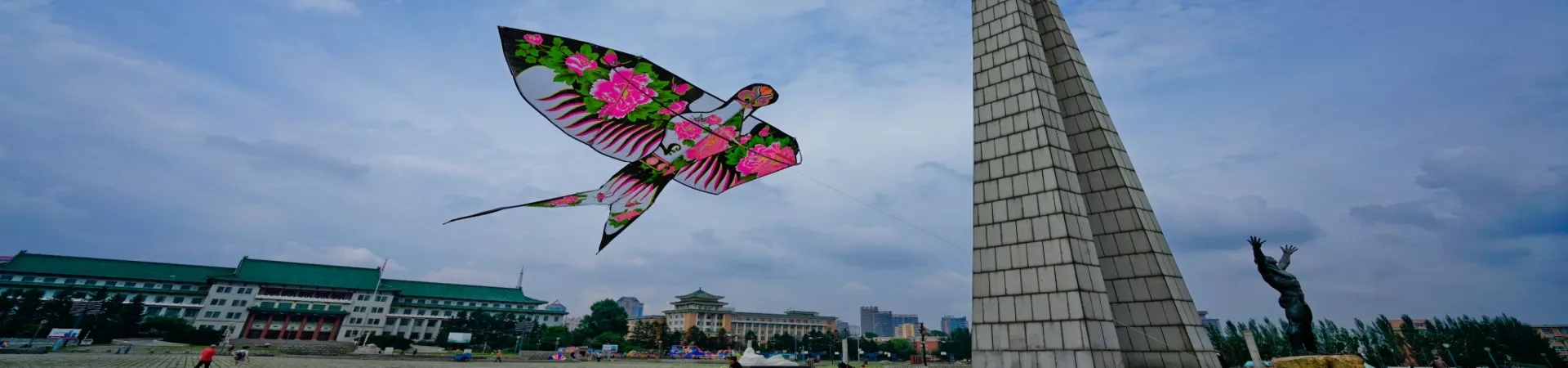
4.3. Suggested Duration and Experience A visit can be tailored to suit various interests and time constraints. * A Leisurely Exploration (2-3 hours): This allows ample time to admire the Sunbird sculpture, wander the gardens, appreciate the full view of the Geological Palace, witness local life (including groups practicing tai chi, dancing, or flying kites), and perhaps enjoy a casual rest on the grassy lawns or shaded benches. * A Brief Stop (1 hour): Sufficient for a walk along the central axis, capturing key photographs of the major landmarks, and absorbing the general ambiance. The square is at its most lively during mornings, late afternoons, and weekends. Regardless of the duration of your visit, Changchun Cultural Square promises a compelling glimpse into the city's public soul, where history is etched into the landscape and contemporary life unfolds in its spacious embrace.