Beihai Golden Bay Mangrove Ecological Tourism Area
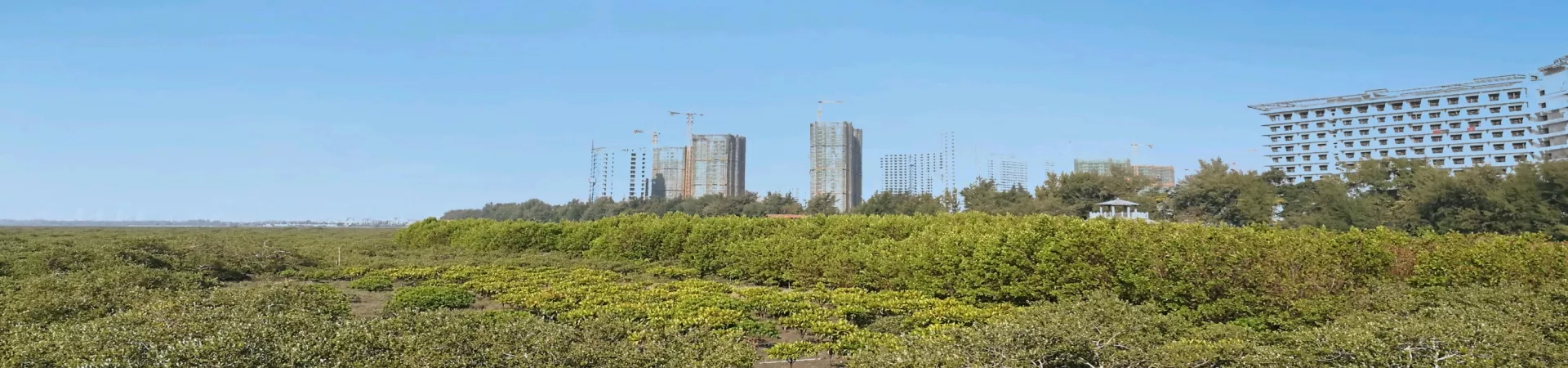
A Visitor's Guide to Beihai's Golden Bay Mangrove Forest Ecological Tourism Zone
Nestled along the coast of Beihai in Guangxi, China, the Golden Bay Mangrove Forest Ecological Tourism Zone stands as a breathtaking example of coastal wetland ecology. This remarkable area seamlessly blends pristine natural beauty with cultural heritage, offering a multifaceted experience for nature enthusiasts, adventure seekers, and cultural explorers alike. The zone is systematically divided into three primary sections: the Mangrove Gate Scenic Area, which serves as the welcoming entrance; the core Mangrove Ecological Sightseeing Area; and the unique Danjia Folk Culture Park, each contributing to a comprehensive and unforgettable visit.
A Thriving Coastal Ecosystem: Flora and Fauna
At the heart of the tourism zone lies its most significant treasure: a vast, protected mangrove forest spanning approximately 3,000 acres (over 200 hectares). This dense, green labyrinth is not merely a scenic backdrop but a vital, living ecosystem. Mangroves, with their complex root systems rising from the brackish water, act as natural coastal guardians, stabilizing shorelines and filtering pollutants. This rich environment supports an astonishing diversity of life, establishing the area as a rare and precious marine biological sanctuary in China.
The forest is a haven for birdwatchers, hosting over a hundred species of birds. Visitors might spot elegant egrets wading in the shallows, kingfishers darting through the canopy, or various migratory species resting amidst the branches. Beyond the avian population, the ecosystem teems with life. Countless insects, mollusks, and crustaceans inhabit the roots and mudflats, forming the base of a complex food web. This biodiversity creates a dynamic and immersive natural spectacle, where the air is filled with the sounds of wildlife and the serene beauty of a functioning ecosystem.
Experiences Shaped by the Tides: Dynamic Coastal Activities
The visitor experience at Golden Bay is uniquely dictated by the rhythmic pulse of the tides, offering two distinct and equally captivating sets of adventures.
High Tide Adventures: Navigating the Watery Forest When the tide rolls in, the mangrove forest transforms into a mystical aquatic landscape. The best way to explore it is by joining a guided speedboat tour. These exhilarating rides allow you to glide through narrow, hidden waterways flanked by towering mangroves, their roots submerged in the shimmering seawater. The adventure often includes moments of thrilling, safe "hydroplaning" across open sections, adding a dash of excitement. A typical tour culminates at offshore fishing farms, where visitors can participate in traditional activities like pulling up lobster or fish traps ("dilong"), providing a hands-on glimpse into local aquaculture practices.
Low Tide Explorations: The Treasure Hunt on the Mudflats As the tide recedes, it reveals a vast, product-rich intertidal zone—a playground for foragers and families. Armed with simple tools provided locally, visitors can roll up their sleeves and engage in the time-honored coastal tradition of foraging. The activities include digging for clams and sandworms, carefully catching small crabs, and searching for shrimp in tidal pools. A particularly unique cultural experience is entering the "Danbo," a traditional enclosed fishing area used by the local Danjia community, to try your hand at net fishing within the shallows. This direct interaction with the harvest of the sea is both educational and immensely satisfying.
Cultural Heritage: The Danjia Folk Culture Park
Complementing the natural wonders is the Danjia Folk Culture Park. This section is dedicated to preserving and showcasing the heritage of the Danjia people, an ethnic group historically known as "boat dwellers" who have lived for generations along the southern coasts of China on junks and sampans. The park offers insights into their unique customs, architecture, and way of life, which has been intimately tied to the sea and estuaries like this one. Exploring this area provides essential cultural context, highlighting the deep, symbiotic relationship between the local communities and the mangrove ecosystem that has sustained them.
Essential Practical Information for Planning Your Visit
Transportation The tourism zone is accessible via public transport. Visitors can take Beihai city bus route 18 and alight at the "Jinhaiwan Hongshulin Jingqu" (Golden Bay Mangrove Scenic Area) bus stop. From there, it is a short walk to the entrance.
Ticketing and Fees The standard admission is typically a combo ticket including entry and the scenic area shuttle service. As of recent information:
- Combo Ticket (Adult + Sightseeing Car): Approximately 90 RMB.
- Combo Ticket (Senior/Child + Sightseeing Car): Approximately 57 RMB.
- Free Admission: Granted to active-duty military personnel, disabled veterans, retired soldiers, children under 1.2 meters in height, and seniors aged 65 and above upon presentation of valid identification.
- Concession Tickets: Available for children between 1.2m and 1.4m, individuals with disabilities, and seniors aged 60 to 64 with relevant certificates. Please Note: All price information is for reference only. It is highly recommended to verify the latest ticket prices and policies directly with the景区 (scenic area) on the day of your visit.
Operating Hours The general opening hours are from 7:30 AM to 7:00 PM daily. The last admission is usually at 5:30 PM. It is advisable to confirm these times before your trip, as they may be subject to seasonal adjustments or special circumstances.
Suggested Duration To fully appreciate the ecological tours, cultural exhibits, and foraging activities, a visit of 1 to 3 hours is recommended. Allocating more time allows for a more relaxed and comprehensive experience.
Contact Information For the most current information, you can contact the scenic area at: 0779-3992600.