Beihai Old Street
Beihai Old Street: A Stroll Through History, Architecture, and Local Flavors
Nestled in the heart of Beihai, a coastal city in China's Guangxi Zhuang Autonomous Region, lies a captivating portal to the past: Beihai Old Street. More than just a tourist destination, this historic thoroughfare is a living museum, a culinary haven, and a testament to the city's unique cultural fusion. With its origins dating back to 1883, the street invites visitors on a journey through time, where the echoes of a bustling international port meet the vibrant energy of modern-day life.
A Walk Through History: From Treaty Port to Cultural Icon
The story of Beihai Old Street is inextricably linked to the city's historical significance. Following the Treaty of Tianjin in 1858, Beihai was designated as a treaty port, opening its doors to foreign trade and influence. This era of international exchange, spanning from the late 19th to the early 20th century, laid the foundation for the street's distinctive character.
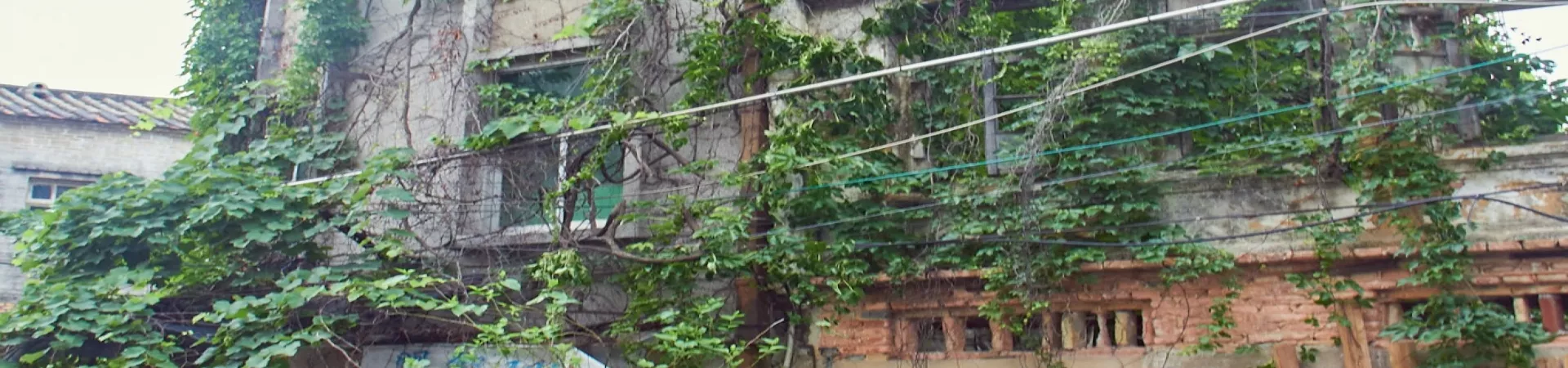
Architectural Testaments to a Global Past: The most striking evidence of this period is found in the street's architecture. Lining both sides of the road are well-preserved examples of qilou, or arcaded buildings. These structures represent a fascinating East-meets-West aesthetic. They typically feature a colonnaded walkway on the ground floor—a practical design offering shelter from both the tropical sun and frequent rain—topped with residential or commercial spaces that often incorporate Western decorative elements like arched windows, intricate moldings, and balustrades alongside traditional Chinese motifs. This harmonious blend creates a streetscape unlike any other in China.
Silent Witnesses of a Bygone Era: Scattered along and near the Old Street are the physical remnants of its international past. Keen-eyed visitors can seek out the former sites of consulates from nations such as Britain, France, and Germany. The old premises of German trading firm J. Siemssen & Co. (森宝洋行) and the convent of the Catholic Church also stand as silent witnesses to the once-thriving foreign community. These historical sites, though often repurposed, offer tangible connections to the days when Beihai was a vibrant hub of commerce and cross-cultural interaction.
The Modern Tapestry: Commerce, Crafts, and Culinary Delights
Today, Beihai Old Street has seamlessly transitioned from a historical corridor into a lively commercial and cultural artery. While its architectural shell has been meticulously preserved, the life within has evolved into a vibrant tapestry of local commerce.
A Hub of Traditional Commerce: The ground-floor arcades now house a diverse array of shops and establishments. Traditional Chinese medicine halls, with their distinctive herbal aromas, stand beside quaint tea houses where locals gather. Artisan shops sell handicrafts, pearls (for which Beihai is famous), and souvenirs, while calligraphers and painters often display their work, adding an artistic flair to the bustling environment.
A Gastronomic Adventure: For many visitors, the true highlight of Beihai Old Street is its food. The street serves as an open-air culinary guide to Beihai and Guangxi's cuisine. The air is filled with enticing aromas from numerous stalls and small restaurants. Must-try local specialties include:
- Spicy Flower Snails (香辣花螺): A iconic Beihai snack, where fresh snails are stir-fried in a pungent and flavorful sauce of chili, garlic, and local spices.
- Shrimp Cakes (虾饼): Crispy, deep-fried pancakes generously packed with small, whole shrimp, offering a deliciously savory and crunchy bite.
- Pork Trotters Noodles (猪脚粉): A hearty and comforting dish featuring tender, braised pork trotters served over rice noodles in a rich, aromatic broth.
Essential Visitor Information
Location & Access: Beihai Old Street is located in the city center of Beihai. The most convenient way to reach it is by public bus. Take bus number 2 or 25 and alight at the "Beihai Old Street" (北海老街) bus stop. From there, it is a short and straightforward walk of approximately 300 meters to the entrance of the historic district.
Admission & Hours: One of the great advantages of visiting Beihai Old Street is that it is an open public street with no admission fee. Visitors are free to explore the area at their leisure. The street is accessible 24 hours a day, every day of the year. However, the ambiance changes dramatically between day and night. Daytime offers the best light for appreciating architectural details and photography, while the evening brings a different kind of magic as lanterns illuminate the qilou, restaurants buzz with activity, and the night market atmosphere intensifies.
Planning Your Visit: A thorough exploration of Beihai Old Street, including leisurely walks, shopping, dining, and visiting nearby historical sites, typically requires 1 to 3 hours. It is advisable to wear comfortable walking shoes, as the best experience comes from meandering through the side alleys and exploring on foot. Mornings on weekdays are generally less crowded, offering a more peaceful experience. While the street is vibrant at night, some smaller museums or historical site interiors may keep limited daytime hours, so it's recommended to check specific operating times if there are particular spots you wish to enter.
For the most current information regarding specific site openings within the area, it is always best to consult directly with local tourist information services.