Tengchong Thermal Sea Scenic Area
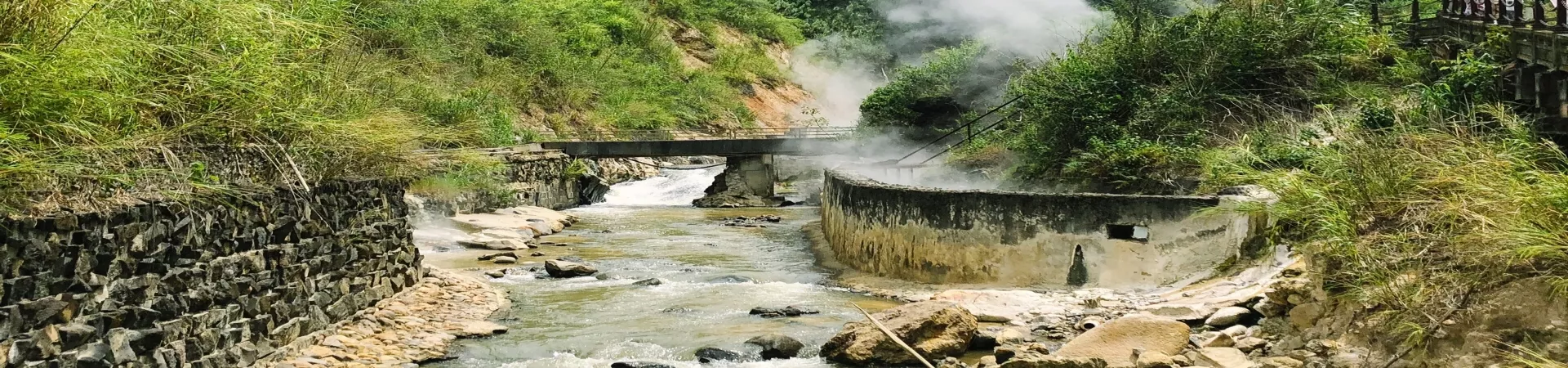
Subtitle: A Guide to Tengchong's Geothermal Wonderland
1. Introduction to the Rehai (Hot Sea) Scenic Area Nestled in the Qingshui Township, southwest of Tengchong County in Baoshan City, Yunnan Province, the Rehai (Hot Sea) Scenic Area is a breathtaking geothermal spectacle. Encompassing approximately 9 square kilometers, this otherworldly landscape is home to over 80 clusters of steam jets (fumaroles) and hot springs, making it one of China's most significant and active geothermal fields. The area is perpetually shrouded in swirling clouds of steam, creating an ethereal and mystical atmosphere. The constant hiss and roar of escaping steam and boiling water provide a powerful soundtrack to a visit here. For centuries, these geothermal resources have been revered for their therapeutic properties, and today, the area seamlessly blends natural wonder with wellness tourism, offering visitors a chance to witness the raw power of the earth and indulge in its restorative benefits.
2. Key Geothermal Attractions and Experiences The scenic area is dotted with numerous named springs, each with its unique character and often a local legend attached.
2.1. The Great Boiling Pot (Dagunguo) The undisputed star of Rehai is the "Great Boiling Pot." This is a large, circular hot spring pool approximately 3 meters in diameter and 1.5 meters deep. Its water, a striking shade of bluish-green, boils furiously at around 96-97°C (205-207°F). The sheer power and visual drama of this perpetually boiling cauldron are mesmerizing. It serves as a stunning testament to the immense geothermal energy lying just beneath the surface. Locals often demonstrate how to cook eggs, peanuts, and potatoes in the steam or nearby hot streams, leading to the local phenomenon humorously noted as "eggs sold on a string," one of the traditional "Yunnan Eighteen Oddities."
2.2. Other Notable Springs Beyond the Great Boiling Pot, several other springs captivate visitors: * Eyeglass Spring (Yanjing Quan): Named for its two adjacent hot spring pools connected by a narrow channel, resembling a pair of eyeglasses. * Pearl Spring (Zhenzhu Quan): A pool where countless bubbles continuously rise to the surface, resembling strings of pearls. * Drumming Spring (Gugu Quan): A hydrothermal explosion vent that erupts intermittently, producing a sound reminiscent of a drumbeat. * Beauty Pool (Meinü Chi): A collection of several hot spring pools with slightly cooler, comfortable temperatures, traditionally believed to be beneficial for the skin.
2.3. Wellness and Therapeutic Bathing The mineral-rich waters of Rehai, containing elements like sulfur, radon, and various salts, are central to the area's wellness culture. Several bathhouses and spa resorts are built within or adjacent to the scenic area, allowing visitors to soak in naturally heated spring water. Many hotels in the vicinity also pipe in genuine hot spring water. For a more public experience, the large-scale Rehai Bathing Center offers both indoor and outdoor pools filled with geothermal water at different temperatures, providing a deeply relaxing and potentially therapeutic experience amidst the scenic backdrop.
3. Practical Visitor Information
3.1. Tickets and Opening Hours * Ticket Price: The standard admission ticket for Rehai Scenic Area is 50 RMB per adult. A combined ticket for both the Rehai and the nearby Volcano Park is often available and can offer savings. * Opening Hours: The scenic area is generally open from 8:00 AM to 8:00 PM daily. The last ticket sale and entry are typically at 7:00 PM. It is always advisable to verify the exact hours before your visit, as they may be subject to change.
3.2. Suggested Duration and Best Time to Visit A thorough visit to the Rehai Scenic Area, including walking the main trails to see the key springs and perhaps enjoying a foot soak or a longer bath, requires a minimum of 3 to 4 hours. Allocating half a day is ideal for a more relaxed pace. The area can be visited year-round. Mornings are often less crowded and the misty atmosphere can be particularly dramatic. The cooler months (autumn and winter) provide a lovely contrast to the warmth of the springs, while soaking in the hot pools during these seasons is especially enjoyable.
4. Transportation Guide Rehai is located about 11 kilometers from downtown Tengchong, making it easily accessible.
4.1. By Public Bus * Direct Tourist Shuttle: The most straightforward option is the dedicated tourist shuttle bus running from Tengchong Tourist Bus Station. The "Rehai Special Line" bus departs frequently, approximately every 10-15 minutes, and the fare is around 3-4 RMB. The journey takes about 30 minutes. * Shared Minivans (Mianbao Che): Shared minivans also operate to Rehai. A common pickup point is near the Yihuayuan Hotel at the intersection of Rehai Road and Jinrong Road. They depart when full, and the fare is roughly 5 RMB per person.
4.2. By Taxi or Ride-Hailing Taking a taxi from Tengchong's city center or your hotel is a convenient and direct option. The one-way fare is approximately 30-40 RMB, depending on your exact starting point and negotiation. Ride-hailing apps like DiDi are also operational in the area and can be used for a fixed-price trip.
4.3. Organized Tours Many local hotels and travel agencies in Tengchong offer day tours or half-day tours that combine a visit to the Rehai Scenic Area with other nearby attractions like the Tengchong Volcano Geological Park, which is highly recommended for a comprehensive geothermal experience.
Contact Information: For inquiries, you can contact the scenic area at 0875-5133333 or 0875-5868888.
Information last updated: June 2023