Gudong Ginkgo Village
Subtitle: A Golden Tapestry of Nature and Tradition in Yunnan's Hidden Valley
Introduction: The Enchantment of Gudian Ginkgo Village
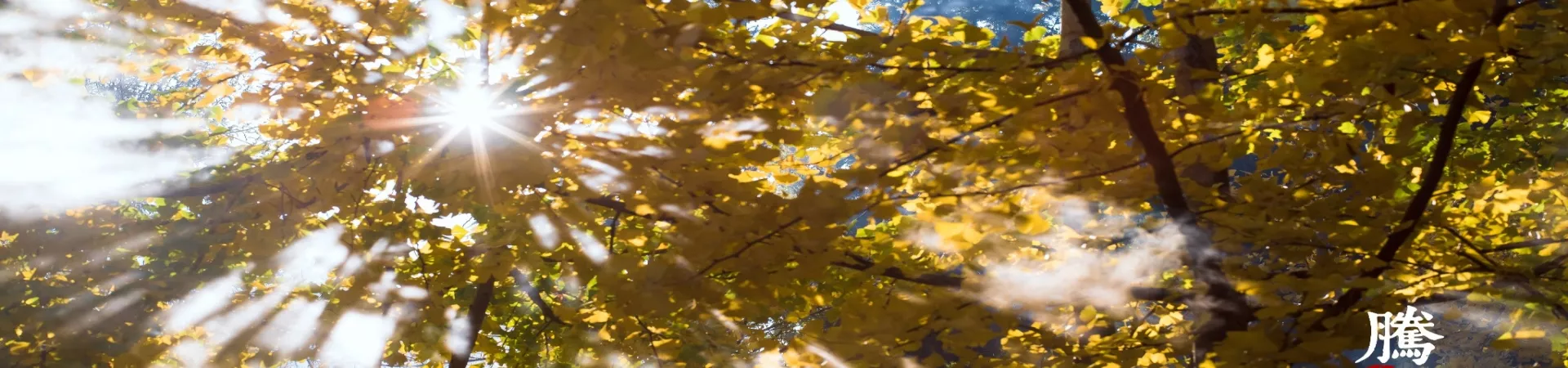
Nestled within the embrace of Tengchong County in Yunnan Province, China, lies the extraordinary Gudian Ginkgo Village. This ancient settlement offers a breathtaking spectacle where the rhythms of rural life are harmoniously interwoven with a dazzling natural phenomenon. The village is home to over 3,000 ancient ginkgo trees, their majestic forms gracing courtyards, lining pathways, and standing sentinel beside traditional farmhouses. Every autumn, this arboreal army undergoes a magnificent transformation, its foliage turning into a brilliant, uniform gold. This celestial canopy bathes the entire village in a warm, ethereal light, creating a scene so picturesque it feels plucked from a classical painting. It is this unparalleled display that has rightfully cemented the village's status as the most coveted destination in the Tengchong region from late autumn into early winter, drawing visitors into a serene, golden-hued world.
A Tapestry of Culture and Heritage
Beyond the visual feast of the ginkgo trees, the village is a living repository of profound cultural heritage, with traditions passed down through centuries.
The Art of Shadow Puppetry The cultural soul of the village is vividly expressed through its shadow puppet theatre, an art form with a continuous history spanning over 600 years. More than mere entertainment, this tradition is a cherished narrative medium, preserving local legends, historical tales, and moral fables. The intricate puppets, crafted from meticulously carved leather, are manipulated behind backlit screens, bringing stories to life in a captivating dance of light and shadow. Witnessing a performance offers a direct, moving connection to the artistic spirit of generations.
Craftsmanship and Silver Screen Fame Complementing this performing art are exquisite material crafts. The village is renowned for its Yingyang paper umbrellas, delicate yet durable handcrafted creations featuring beautiful paintings, and Jiangdong embroidery, known for its intricate patterns and vibrant colors. These crafts represent the skilled hands and aesthetic sensibilities of local artisans. Adding a touch of modern cinematic history, the village served as one of the filming locations for the acclaimed 2011 movie "Wu Xia" (titled "Dragon" in English), starring Donnie Yen. Fans can explore the very lanes and vistas that framed this martial arts epic.
Planning Your Golden Journey
To fully immerse yourself in the magic of Ginkgo Village, careful planning is essential, particularly regarding timing and logistics.
The Optimal Viewing Period The quintessential golden spectacle reaches its peak during a relatively short but glorious window: from mid-November to early December. This is when the ginkgo leaves achieve their most intense and uniform golden color before gently falling to carpet the ground in a thick, luminous layer. The weather during this period is typically crisp, clear, and cool, providing perfect conditions for photography and leisurely exploration.
Navigating the Village Layout The village is informally divided into four main areas, each offering a slightly different experience. The most vibrant and frequently visited sector is Chenjiazhai (Chen Family Hamlet), accessible directly from the Ginkgo Square at the main village entrance. Here, the concentration of both grand ginkgo trees and visitor amenities is highest, creating a lively atmosphere. For those seeking tranquility, the other three areas provide a more peaceful and intimate encounter with the golden landscape, where the rustle of leaves often dominates the soundscape.
Accommodation and Local Hospitality A defining feature of a visit is the warm welcome extended by local families. Numerous family-run guesthouses and农家乐 (nongjiale) operate within the village. These establishments not only offer lodging and home-cooked meals but also invite visitors into their private courtyards—often the most stunning ginkgo groves are found here. It is common practice for guests and even day-visitors to enter these courtyards for photographs, a generosity locals are accustomed to. However, due to immense popularity during the peak season, accommodation is in extremely high demand and gets fully booked well in advance. Securing a reservation early is absolutely crucial. For the most current information on foliage status and last-minute room availability, proactively contacting local inns by phone is highly recommended.
Practical Visitor Information
- Contact: For inquiries, you may reach out via phone at +86 15287571565.
- Suggested Duration: A full day is ideal to explore the village thoroughly, enjoy a local meal, and absorb the ambiance at different times.
- Admission Fees:
- Low Season (March 1 - July 31): 20 RMB per person.
- High Season (August 1 - February 28 of the following year): 30 RMB per person.
- Please note: Ticket prices are for reference and subject to change. Confirm the exact fee at the ticket office on the day of your visit.
- Operating Hours: The village is open daily from 08:20 to 19:00, with last admission at 18:30.