Dianmian Anti-Japan War Museum
Subtitle: A Journey Through Memory: The Sino-Burmese Theater WWII Museum in Baoshan
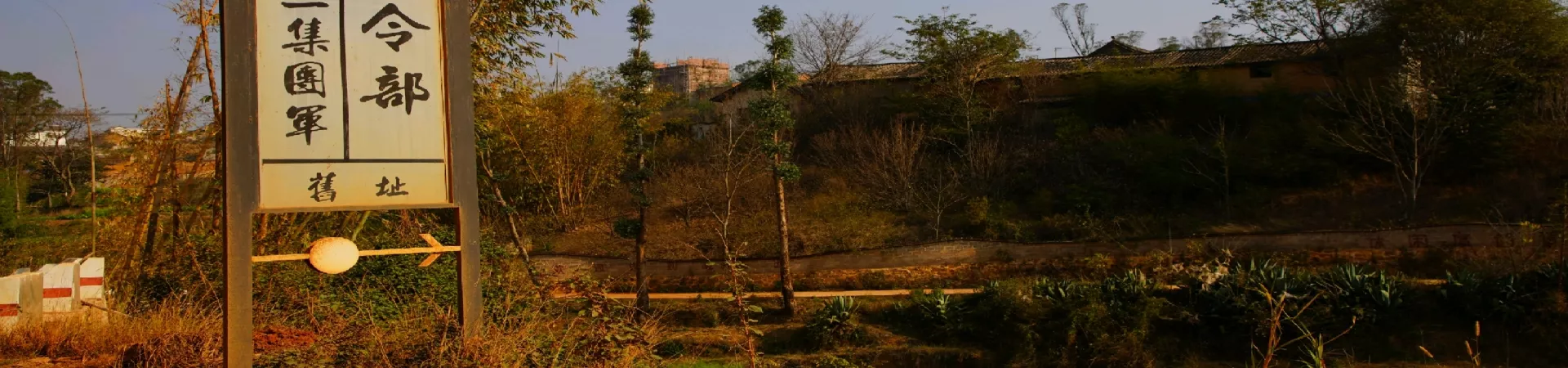
1. Introduction: A Living Historical Site Nestled within the ancient town of Heshun in Tengchong County, Baoshan City, Yunnan Province, the Sino-Burmese Theater WWII Museum occupies a site of profound historical significance. This is not merely a constructed building; it is the original headquarters from which the Chinese Expeditionary Force launched its critical counteroffensive to retake Tengchong from Japanese forces during World War II. Walking through its gates is to step directly onto the ground where strategic decisions shaped a pivotal chapter of the war in China's southwest. Adding to its unique character, this museum holds the distinction of being China's first major museum dedicated to the WWII Sino-Burmese Theater that was privately funded and established based on a civilian collection, offering a deeply personal and grassroots perspective on this monumental conflict.
2. The Collection: Artifacts of Valor and Sacrifice The museum's power lies in its extensive and carefully curated collection, comprising over 6,000 historical artifacts and 1,000 archival photographs. These items range from everyday personal effects of soldiers and civilians to military equipment, documents, and rare pieces of great historical value. Among the most notable treasures are 39 select artifacts that served as symbols of Sino-American wartime alliance, accompanying President Jiang Zemin on a state visit to the United States. Each piece, whether a faded letter, a worn uniform, or a captured weapon, serves as a tangible, silent witness to the courage, hardship, and resilience of those who lived through the era.
3. The Exhibition Narrative: A Chronological Journey Through Conflict The museum's exhibition is thoughtfully organized into five sequential sections, guiding visitors through the narrative arc of the war in this region:
3.1. Shattered Land: The Outbreak of War This introductory section sets the stage, depicting the invasion and the subsequent "Shattered Land" of China. Through photographs, maps, and documents, it illustrates the rapid Japanese advance and the grave national crisis that prompted the extraordinary cooperation and response detailed in the following halls.
3.2. The Tragic Expedition: The Chinese Expeditionary Force Here, the focus shifts to the "Tragic Expedition" of the Chinese Expeditionary Force into Burma. It chronicles their initial mission to secure supply routes, the fierce battles fought alongside Allied forces, and the subsequent, harrowing retreat through the treacherous jungles—a campaign marked by tremendous sacrifice and heroism against overwhelming odds.
3.3. Years of Occupation: Life Under Japanese Rule This somber section, "Years of Occupation," portrays the daily reality for Chinese civilians in occupied areas like Tengchong. Exhibits highlight the oppression, struggles, and quiet resistance of the local population, providing a crucial perspective on the war's impact beyond the battlefield.
3.4. Sweeping the Battle Smoke: The Counteroffensive and Liberation Marking the turning point, "Sweeping the Battle Smoke" details the preparation and execution of the massive Allied counteroffensive. Centered on the very site of the museum, this part showcases the planning at this headquarters, the fierce battle for Tengchong, and the combined efforts of Chinese and American forces that ultimately broke the Japanese hold.
3.5. Sun and Moon Regain Light: Victory and Remembrance The final section, "Sun and Moon Regain Light," contemplates the costly victory and its aftermath. It honors the memory of all who perished, celebrates the hard-won peace, and reflects on the enduring legacy and historical lessons of the war, emphasizing the preciousness of peace and the spirit of international cooperation forged in adversity.
4. Practical Visitor Information
4.1. Location and Transportation The museum is located in Heshun Ancient Town, Tengchong County, Baoshan City, Yunnan. * External Transport: Visitors can take Tengchong Public Bus Route 6 from Tengchong county town directly to Heshun Ancient Town. * Internal Transport: The museum is accessible on foot within the pedestrian-friendly confines of Heshun Ancient Town.
4.2. Admission and Opening Hours * Opening Hours: The museum is open daily from 07:00 to 19:00. * Admission: Access to the Sino-Burmese Theater WWII Museum is included in the general entrance ticket for Heshun Ancient Town. There is no separate admission fee for the museum itself.
4.3. Suggested Visit Duration A comprehensive visit to explore the exhibits in detail typically requires between 1 to 3 hours.
4.4. Contact Information For inquiries, you may contact the museum at: 0875-5150010 or 0875-5158998.
Information last updated: January 11, 2023.