Big Pot Food House
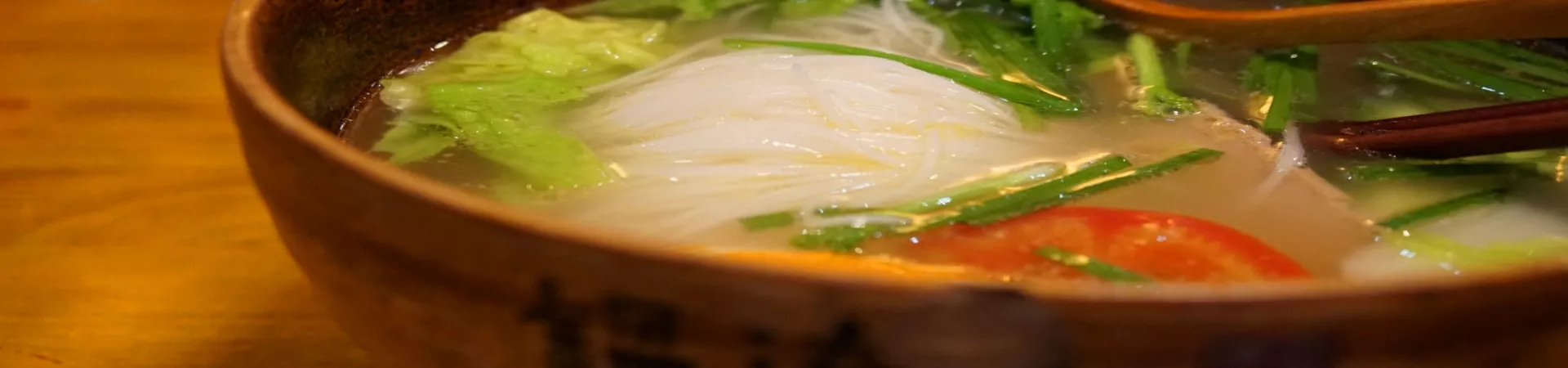
Subtitle: A Culinary Oasis in the Heart of Tengchong's Geothermal Wonderland
Introduction: Where Earth's Fire Meets Culinary Artistry
Nestled within the awe-inspiring Tengchong Volcanic Geothermal National Geological Park, famously known as "The Sea of Heat" (Re Hai), lies a dining destination that is as much a part of the landscape as the steaming fumaroles and bubbling pools surrounding it. Da Gun Guo Shi Fu (The Big Boiling Pot Restaurant), located right within the Re Hai scenic area, offers far more than just a meal; it presents a unique, immersive experience that engages all the senses. This establishment masterfully intertwines the region's profound geothermal heritage with its rich culinary traditions, allowing visitors to taste the very essence of Tengchong. Dining here is not merely about sustenance but about participating in a centuries-old ritual where food is transformed by the primal forces of the earth.
The Unique Geothermal Dining Concept
Harnessing Nature's Kitchen The restaurant's name, "The Big Boiling Pot," is a direct homage to the park's most iconic geothermal feature—a vast, roaring hot spring pool that constantly churns with near-boiling water. This is not just a clever metaphor; it is the foundational principle of the restaurant's cooking methodology. Da Gun Guo Shi Fu has ingeniously integrated the park's natural geothermal resources into its kitchen operations. Certain traditional dishes are prepared using the steady, intense heat from the hot springs and steam vents, a practice that dates back generations. This method of cooking is not only energy-efficient but is believed to impart a unique, minerally subtlety to the food, creating a flavor profile impossible to replicate with conventional gas or electric stoves.
The Signature Experience: Cooking on the Vapor The absolute must-try activity for every visitor is the DIY egg-cooking experience. Upon entering the restaurant's dedicated area, guests are often provided with strings and baskets containing fresh eggs. They then venture to designated safe steam vents or hot pools, where they lower their eggs into the rising, scalding geothermal vapor. Within minutes, the eggs are perfectly cooked. This interactive ritual is thrilling, educational, and deeply connective, linking you directly to the volcanic energy beneath your feet. Peeling and eating these geothermally-steamed eggs, often with a slight sulfurous aroma, is a quintessential Tengchong memory.
A Journey Through Local Flavors and Specialties
The Centerpiece: Volcanic Hot Pot While the steamed eggs are a legendary starter, the main event is often the restaurant's signature volcanic hot pot. Broths are simmered for hours, sometimes utilizing geothermal heat, to develop profound depth. The true magic, however, lies in the ingredients. The hot pot features an array of hyper-local and seasonal offerings: * Local Free-Range Poultry and Pork: Animals raised in the surrounding valleys, known for their firm texture and clean taste. * Wild Mountain Vegetables and Herbs: Foraged greens, mushrooms, and edible ferns that add earthy, aromatic notes to the broth. * Tengchong Specialty Products: Such as Er Kuai (rice cakes) and other handmade noodles that perfectly absorb the flavorful soup.
Dipping these fresh ingredients into the bubbling pot, surrounded by the misty, sulfur-scented air of the geothermal field, elevates the hot pot from a simple meal to a multisensory adventure.
Beyond the Pot: A Taste of Western Yunnan The menu extends well beyond hot pot, acting as a culinary guide to the region. It features local classics that showcase the diverse influences of Yunnan cuisine: * "Da Jiu Jia" Dishes: Hearty, rustic fare representative of the local home-style cooking. * Bai and Dai Ethnic Influences: Expect vibrant, sometimes piquant flavors, with herbs like lemongrass and mint making appearances, reflecting the cultural tapestry of the area. * Preserved and Cured Specialties: Utilizing traditional methods to create unique flavors, a testament to the resourcefulness of local food culture.
Practical Information for the Visitor
Location and Ambiance The restaurant is situated conveniently inside the Re Hai Scenic Area, typically along the main walking path that tours the major geothermal attractions. Its architecture often blends rustic, wooden structures with open-air pavilions, designed to maximize the views of the steamy, dramatic landscape. The dining environment is lively and communal, filled with the excited chatter of visitors sharing their discoveries. The constant, gentle haze of geothermal steam and the distant sound of bubbling mud create an atmosphere that is both surreal and deeply relaxing.
Visiting Tips and Recommendations * Timing Your Visit: It is highly recommended to schedule your meal here as part of your scenic area itinerary. A popular strategy is to explore the park in the morning, enjoy a leisurely lunch at Da Gun Guo Shi Fu, and continue your tour afterwards. Dining during off-peak hours (early lunch or late afternoon) may offer a slightly more tranquil experience. * What to Order: First-time visitors should not miss the geothermal egg-cooking and the signature hot pot. Do not hesitate to ask staff for recommendations on daily specials or local seasonal dishes. * Logistics: The restaurant is accessible with your park admission ticket. It is advisable to wear comfortable walking shoes, as you will be navigating the park's pathways. Be mindful of safety barriers and signs around the actual geothermal features when cooking your eggs.
Cultural and Environmental Significance
More Than a Restaurant: A Cultural Interpreter Da Gun Guo Shi Fu serves as a living bridge between Tengchong's geological marvels and its human inhabitants. The cooking techniques on display are a direct application of ancestral knowledge, demonstrating how local communities have lived in harmony with, and utilized, this volatile environment for centuries. Each meal tells a story of adaptation and respect for nature's power.
Sustainability and Conservation The restaurant's very existence highlights a model of sustainable tourism. By using natural geothermal heat, it reduces reliance on external fuels. Its focus on local ingredients supports nearby farmers and foragers, minimizing its carbon footprint and preserving the local food economy. Furthermore, by operating within a protected national geological park, it inherently promotes the message of conservation, encouraging visitors to appreciate and protect this fragile, magnificent ecosystem. Dining here becomes an act of participating in a sustainable cycle that honors both culture and nature.