Wang Chi
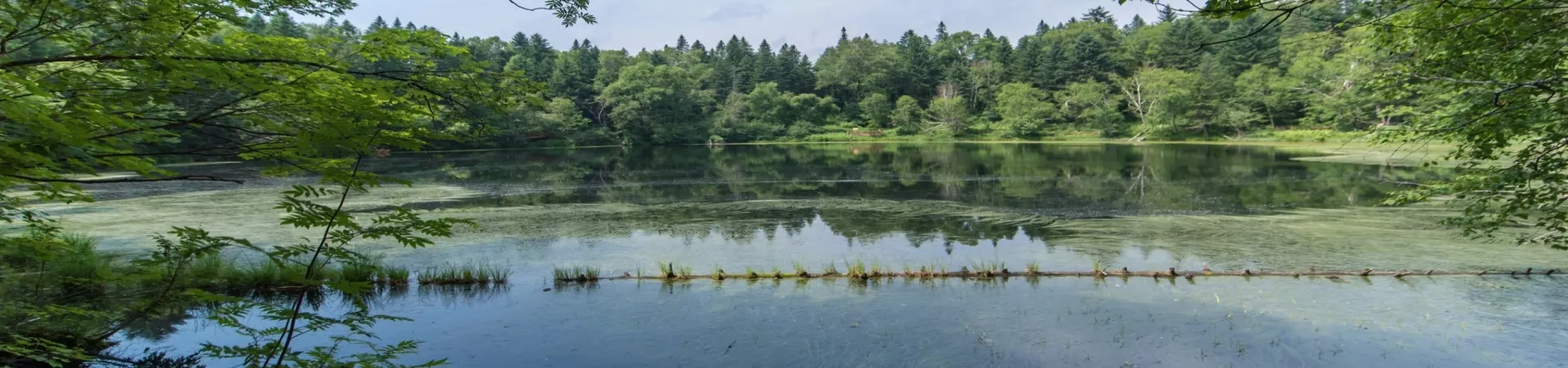
Subtitle: A Hidden Gem in the Changbai Mountains: The Enchanting Wangchi (King's Pond)
Introduction: A Tranquil Jewel Amidst Alpine Majesty
Nestled within the vast and volcanic expanse of the Changbai Mountain Biosphere Reserve, approximately 13 kilometers southwest of the famed Heaven Lake (Tianchi), lies Wangchi, or the King's Pond. Far from the more frequented paths, Wangchi offers a distinctly serene and intimate encounter with the pristine beauty of this UNESCO-listed region. As one of the celebrated "Seventy-Two Dragon Pools" of Changbai Mountain, it is not merely a scenic stop but a destination steeped in the area's rich ecological and geological tapestry. This guide provides a detailed overview to help visitors fully appreciate and plan their visit to this captivating alpine pool.
1. The Landscape and Natural Setting of Wangchi
Wangchi's profound beauty is derived from its perfect harmony with the surrounding wilderness. The pond itself is a masterpiece of clarity, its waters so clean and transparent that they mirror the dramatic skies and the encircling forest with stunning fidelity. This exceptional purity is a hallmark of the Changbai Mountain's protected ecosystems.
1.1. Flora and Fauna Surrounding the Pond The immediate shores of Wangchi are a vibrant wetland habitat, densely carpeted with lush Ula sedge and cattails, which rustle gently in the mountain breeze. Framing this aquatic scene are elegant stands of dwarf Siberian pine and, most poetically, the twisted, artistic forms of Erman's birch (often called Yuehua). These hardy trees, with their peeling white bark and windswept shapes, stand as silent sentinels, adding a layer of rugged charm and resilience to the tranquil setting. In season, the broader area transforms into a spectacular high mountain garden, where a colorful mosaic of wildflowers, including rare and endemic species, blooms against the backdrop of verdant meadows.
1.2. Topographical Grandeur The pond's location is strategically dramatic. It rests at the foot of the majestic Yuxue Peak (Jade Snow Peak), whose towering, often snow-dusted presence provides a powerful and permanent northern backdrop. To the south, Wangchi opens its vista towards the winding Jinjiang River Valley, creating a beautiful contrast between the still, reflective waters and the dynamic flow of the river below. This positioning between peak and river makes Wangchi a natural viewpoint for absorbing the scale and beauty of the Changbai landscape.
2. Practical Information for Visitors
A smooth visit requires some basic planning. The following details are crucial for organizing your trip to Wangchi effectively.
2.1. Admission and Operating Hours Access to Wangchi is included in the general admission ticket for the Changbai Mountain Scenic Area. There is no separate entrance fee for the pond itself. Visitors must purchase the main area pass, which grants access to multiple sites, including Wangchi. The site is open daily from 6:00 AM to 5:00 PM throughout the year. It is advisable to confirm these times locally, as they can be subject to change due to weather conditions, particularly during the winter months and shoulder seasons.
2.2. Getting There: Transportation and Access Reaching Wangchi involves a two-stage journey that is part of its charm. Private vehicles are not permitted in the core scenic zones. * Step 1: Eco-Friendly Shuttle Bus: From the main transfer centers within the Changbai Mountain park (typically from the entrance or a central hub), visitors must take the official environmental shuttle bus. You will need to disembark at the designated "Wangchi Garden" or "Wangchi Entrance" stop. * Step 2: Scenic Walk on the Boardwalk: From the bus stop, a well-constructed and preserved wooden boardwalk (栈道) leads you through the stunning alpine landscape. This peaceful walk takes approximately 30 minutes each way. The boardwalk protects the fragile ecosystem while offering safe and accessible passage through meadows and forests, building anticipation as you approach the pond.
2.3. Suggested Duration and Best Time to Visit A visit to Wangchi, including the round-trip walk and time for photography and contemplation at the pond, typically requires 1 to 1.5 hours. This makes it an excellent half-day excursion that can be combined with other nearby attractions. The ideal time to visit is from late June to early September. During this period, the weather is most temperate, the high mountain garden is in full, spectacular bloom (peaking around July), and the access roads and trails are fully operational. Autumn (September) offers breathtaking fall foliage, while winter presents a stark, frozen beauty, though access may be limited or require special arrangements.
3. Enhancing Your Experience at Wangchi
To fully appreciate Wangchi, move beyond a simple sightseeing checkmark. Consider these aspects to deepen your connection with the place.
3.1. Photography and Observation Tips The pond offers magnificent reflection shots, especially in the calm air of early morning. The Erman's birch trees are incredibly photogenic subjects against the water or the sky. A macro lens can capture the intricate details of the wildflowers and wetland plants. Patience may reward you with sightings of native birds and small mammals that inhabit this quiet zone.
3.2. Conservation and Etiquette As a protected area within a biosphere reserve, it is imperative to practice Leave No Trace principles. Stay on the designated boardwalk at all times to prevent soil erosion and protect the delicate plant life. Do not litter, pick flowers, or disturb any natural features. The preservation of Wangchi's pristine condition relies on the responsible behavior of every visitor.
3.3. Historical and Cultural Context While primarily a natural site, Wangchi's designation as a "Dragon Pool" connects it to the deep cultural and mythological heritage of Changbai Mountain, which is considered a sacred landscape in several cultural traditions. The name "King's Pond" itself suggests a regal or significant status among the numerous pools in the region, inviting contemplation of the stories and reverence attached to this land over centuries.