Changbai Waterfall
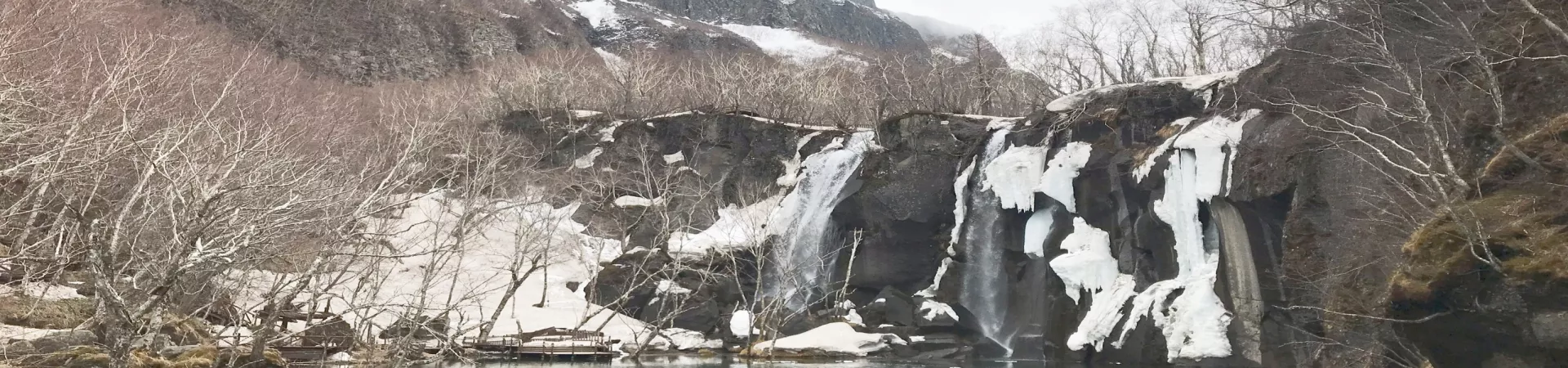
The Changbai Waterfall: A Colossal Cascade Born from Heaven's Lake
Nestled within the dramatic volcanic landscape of the Changbai Mountain range, near the border between China and North Korea, lies one of nature's most spectacular hydrological wonders: the Changbai Waterfall. This thunderous cascade is not merely a scenic point of interest; it is the dramatic culmination of a unique geological process and the very source of one of Northeast China's most vital rivers. Its story begins at the summit, with the enigmatic Heaven's Lake (Tianchi).
The Source: Heaven's Lake and the Shortest River The origin of the Changbai Waterfall is as remarkable as the waterfall itself. It flows directly from Heaven's Lake (Tianchi), a stunning, deep-blue caldera lake perched at the mountain's peak. This volcanic crater lake, formed by a massive eruption centuries ago, possesses a fascinating hydrological characteristic: it has no visible inlet, yet it constantly discharges water. The lake is replenished primarily by rainfall and snowmelt.
The sole outlet for Tianchi's waters is the Chengcha River. This river holds the distinctive title of the shortest river in the world, stretching a mere 1,250 meters. It acts as a swift, shimmering "white ribbon" that channels the icy, mineral-rich waters from the serene lake towards the precipice. The Chengcha River is the essential, rushing link between the tranquil lake and the roaring spectacle to come.
The Descent: Forging a Record-Breaking Cascade Where the short Chengcha River reaches the edge of the volcanic cliff, the landscape transforms. The water plunges with immense force into the valley below, creating the majestic Changbai Waterfall. The drop is a sheer and powerful 68 meters (approximately 223 feet).
This dramatic fall has earned the Changbai Waterfall a prestigious place in the record books. It is officially recognized by the Guinness World Records as the world's highest volcanic lake waterfall. The sight is particularly awe-inspiring during the summer melt and after periods of rain when the water volume swells, sending a mighty torrent over the dark, rugged volcanic rocks, surrounded by clouds of mist and spray. In winter, the scene shifts to a frozen masterpiece, where the cascade transforms into a colossal sculpture of ice, with blue-white ice pillars clinging to the cliff face.
A Cradle of Civilization: The Source of the Songhua River Beyond its visual and record-setting grandeur, the Changbai Waterfall holds profound geographical and cultural significance. The waters that crash down at the waterfall gather in the pools below and begin a much longer journey. This flow is identified as the headwater of the Songhua River.
The Songhua River is the largest tributary of the mighty Heilongjiang (Amur) River and is itself considered the third-largest river in China by drainage area. It flows for thousands of kilometers through Jilin and Heilongjiang provinces, nourishing the vast plains of Northeast China. Therefore, a visit to the Changbai Waterfall is a visit to the very birthplace of a river system that has sustained agriculture, transportation, and communities for millennia.
Practical Information for Visitors
Visiting Duration A visit to appreciate the Changbai Waterfall, including transportation to the viewing areas and time for photography, typically requires 1 to 3 hours. The main viewing platforms offer stunning frontal views, and a hike along designated paths can provide different vantage points of the cascade and the surrounding canyon.
Transportation & Access Access to the Changbai Mountain scenic area, which includes the waterfall, is carefully managed to protect the environment. * During Peak Season (typically July 1st - October 8th): Private vehicles are generally not permitted to drive directly to the mountain gate or individual sites. Visitors must first travel to the main tourist transfer center (e.g., the one in the town of Erdao Baihe). From there, a shuttle bus will take you to the mountain entrance gate. At the gate, you must board the official environmental protection buses that circulate between the various scenic spots, including the stop for the Changbai Waterfall. * Transportation Options to the Transfer Center/Gate: You can reach the initial transfer point or mountain gate via pre-booked online car-hailing services, private cars, tourist charter buses, or taxis. Note that these vehicles usually cannot proceed to the sites themselves during the restricted period.
Ticketing Admission to the Changbai Mountain scenic area operates on a layered ticket system: * Main Scenic Area Entrance Ticket: 105 RMB per person. * Mandatory Environmental Protection Bus Ticket: 85 RMB per person. This bus is required for travel between sites within the protected area.
Please note: Ticket prices and transportation rules are subject to change. It is highly advisable to check the latest official information from the Changbai Mountain management authority before your visit.
Opening Hours The Changbai Mountain scenic area, including the viewing areas for the Changbai Waterfall, is typically open all day, every day, year-round. However, access can be severely affected or closed entirely due to extreme weather conditions, especially heavy snow, ice, or fog in the winter and shoulder seasons. The operational hours for the internal buses may also vary seasonally.
Information last updated: January 9, 2023. Credits to community contributors.