Xuanmiaoguan in Ziyang
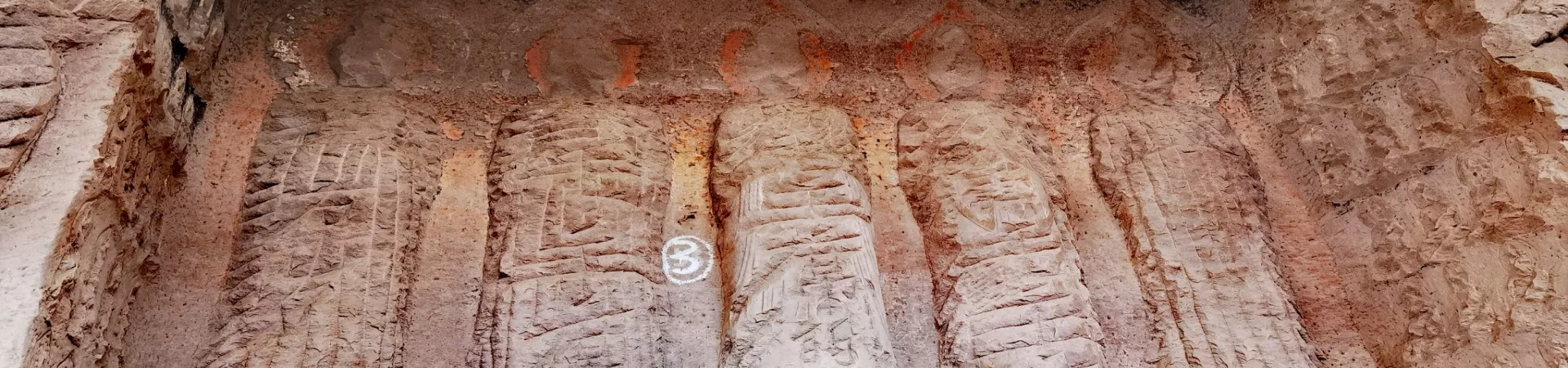
Subtitle: A Journey Through Time: Exploring the Architectural Grandeur and Spiritual Legacy of Ziyang's Xuánmiào Temple
1. Introduction: A Portal to Ancient Wisdom
Nestled within the verdant landscapes of Ziyang, a city steeped in the rich cultural tapestry of Sichuan Province, lies the Xuánmiào Temple—a sanctuary of profound historical significance and architectural elegance. More than merely a tourist destination, this Taoist temple serves as a living chronicle of Chinese religious philosophy, artistic achievement, and architectural ingenuity spanning several dynasties. For the discerning visitor, a trip to Xuánmiào Temple is not simply a sightseeing excursion but an immersive journey into the heart of Taoist tranquility, where the whispers of ancient sages seem to echo through its serene courtyards and ornate halls. This guide aims to provide a comprehensive understanding of the temple's essence, from its spiritual foundations to its structural marvels, ensuring your visit is both enlightening and deeply resonant.
2. Historical and Spiritual Foundations
2.1. The Philosophical Bedrock: Taoism in Practice The very name "Xuánmiào" (玄妙) offers a key to understanding the temple's purpose. Derived from Taoist philosophy, it translates to "Profound Mystery," a concept central to the teachings of Laozi as encapsulated in the Tao Te Ching. The temple is a physical manifestation of this philosophy, a place dedicated to the contemplation of the Tao—the ineffable, fundamental principle underlying the universe. For centuries, it has functioned as a center for worship, meditation, and scholarly pursuit of Taoist canon, attracting monks, scholars, and lay practitioners seeking harmony with the natural order.
2.2. A Legacy Carved in Stone and Timber While precise founding dates can be obscured by time, the architectural and historical evidence within Xuánmiào Temple points to a lineage extending through the Ming and Qing dynasties, periods renowned for their refinement of religious architecture. The temple has undoubtedly witnessed the ebb and flow of history, undergoing renovations, expansions, and periods of both reverence and neglect. Each restoration effort has been a dialogue with the past, striving to preserve the original aesthetic and spiritual intent while ensuring its survival for future generations. This layered history is palpable, allowing visitors to sense the continuum of devotion that has animated these grounds for hundreds of years.
3. Architectural and Artistic Splendor
3.1. The Layout: A Symphony of Symmetry and Symbolism The temple complex is a classic example of traditional Chinese temple architecture, organized along a central north-south axis, symbolizing a spiritual journey from the mundane to the celestial. This axial progression guides visitors through a sequence of gates, courtyards, and pavilions, each space designed to prepare the mind and spirit for the sanctity of the main halls.
3.2. The Main Hall: Apex of Artistic Expression The heart of the complex is undoubtedly the Main Hall (Dàdiàn). This structure exemplifies the grandeur of post-and-beam construction, with its sweeping, upward-curving roofs adorned with intricate ridges and mythical figures. The roof, often covered in glazed tiles, catches the light and sky, creating a majestic silhouette against the Ziyang horizon.
3.2.1. Wooden Sculpture and Beam Painting Inside, the hall is a treasure trove of folk artistry. The intricate wooden brackets (dougong), are not only structural marvels but also canvases for exquisite paintings depicting floral motifs, legendary scenes, and auspicious symbols. The beams and eaves are frequently adorned with carvings of dragons, phoenixes, and other celestial beings, each embodying protective and benevolent qualities.
3.2.2. Statuary and Iconography The hall houses statues of key Taoist deities, most prominently the Three Pure Ones (Sānqīng), the highest gods in the Taoist pantheon. These sculptures, often made of lacquered wood or clay, are works of profound solemnity and craftsmanship, commanding reverence and inspiring contemplation. The artistic style reflects regional influences and the period of their creation, offering a tangible link to the artisans of old.
3.3. Subsidiary Halls and Courtyards Flanking the central axis are various subsidiary halls dedicated to other immortals, local deities, or temple functions. These smaller structures, along with the tranquil courtyards that separate them, create a rhythm of compression and release. The courtyards, with their ancient trees, stone steles, and incense burners, are spaces for quiet reflection, where the scent of sandalwood mingles with the fresh air.
4. Practical Information for the Visitor
4.1. Planning Your Visit: Hours and Timing To fully appreciate the temple's ambiance, planning is essential. The temple is open to the public daily, providing consistent access for both local worshippers and international travelers. Opening Hours: Sunday - Saturday: 8:00 AM - 7:00 PM. It is highly recommended to visit during the morning or late afternoon hours. The soft, angular light of these times dramatically enhances the textures of the wood and stone, and the atmosphere tends to be more peaceful, allowing for a more contemplative experience. Allocating at least two to three hours for your visit is advisable to explore the complex without haste.
4.2. Navigating the Temple: Etiquette and Engagement As an active place of worship, respectful conduct is paramount. Visitors are encouraged to move quietly, speak in hushed tones, and refrain from touching religious artifacts or statues unless explicitly permitted. Photography is generally allowed in outdoor areas and courtyards, but it is crucial to observe any signs prohibiting photos inside the main halls, especially of the deities, and to always be mindful of worshippers in prayer.
4.3. The Sensory Experience: Beyond Sight Engage all your senses. Listen to the wind chimes hanging from the eaves, the rustle of leaves in the ancient courtyards, and the distant chant of scriptures. Feel the cool shade of the architecture and the warm sun in the open spaces. Observe the intricate details—a carved lotus on a stone plinth, the fading pigment on a beam, the pattern of moss on a roof tile. This holistic engagement transforms a historical visit into a personal, meditative discovery.
4.4. Location and Broader Context Xuánmiào Temple is a cultural jewel within Ziyang. Visitors are encouraged to explore the city's other offerings, such as local museums that provide historical context, or nearby natural landscapes that embody the Taoist love for nature. Sampling Sichuan cuisine in Ziyang completes the cultural immersion, connecting the spiritual journey with the region's vibrant culinary heritage.