Ziyang Sanxian Park
Subtitle: A Journey Through History, Poetry, and Community in the Heart of Ziyang
Introduction: The Legacy of the Three Sages Nestled within the bustling urban landscape of Ziyang City in Sichuan Province, the Ziyang Three Sages Culture Park stands as a serene and profound tribute to the region's most illustrious historical figures. More than just a green space, the park is a living monument to cultural memory, scholarly achievement, and civic virtue. It is dedicated to commemorating three pivotal personalities from Ziyang's history: Dong Jun, a revered official of the Western Han Dynasty known for his integrity and compassion; Wang Bao, a celebrated fu poet from the Western Han Dynasty whose literary brilliance left an indelible mark on Chinese letters; and Chang Qu, a meticulous historian of the Eastern Jin Dynasty who authored the seminal Records of the Land of Huayang. Together, these "Three Sages" represent the pillars of righteous governance, artistic expression, and historical scholarship. The park seamlessly integrates their legacies with natural beauty, creating an environment where visitors can contemplate profound cultural themes while enjoying peaceful recreation.
I. Architectural and Landscape Design: A Harmony of Elements The park's design philosophy is rooted in classical Chinese garden principles, aiming to foster a deep sense of harmony between human creation and the natural world.
A. The Central Square and Key Monuments The heart of the park is its expansive main square, which serves as both a communal gathering place and a ceremonial ground. Dominating this space is the imposing Three Sages Memorial Archway, a traditional stone structure that acts as a grand gateway into the cultural narrative of the park. Its intricate carvings and dignified presence immediately set a tone of reverence and historical depth. Nearby, the lifelike bronze statues of the Three Sages offer a tangible connection to these ancient figures. Crafted with meticulous attention to detail, the statues depict Dong Jun, Wang Bao, and Chang Qu in thoughtful poses, inviting visitors to pause and reflect on their contributions.
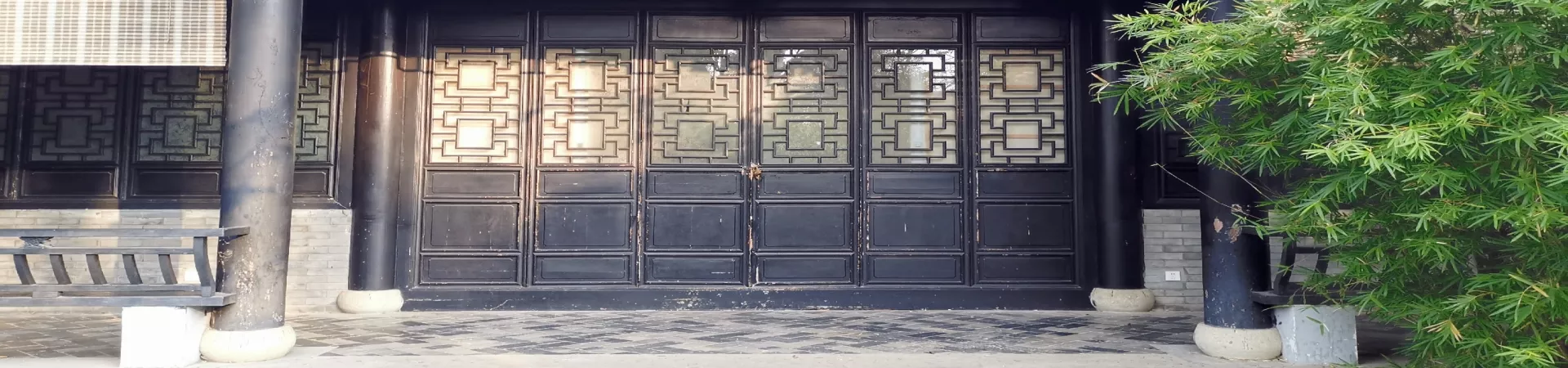
B. Integration of Water, Greenery, and Pavilions Winding paths lead visitors through meticulously curated landscapes. Serpentine streams and tranquil ponds mirror the sky and surrounding foliage, their reflective surfaces enhancing the park's ambiance of calm. These water features are complemented by lush gardens, ancient trees, and vibrant floral displays that change with the seasons. Scattered throughout are elegant pavilions and elongated corridors, offering shaded rest stops. These structures, with their traditional upturned eaves and painted beams, are not merely decorative; they provide framed perspectives of the scenery and bear inscribed couplets and plaques that reference the poetry of Wang Bao or the historical insights of Chang Qu, deepening the immersive cultural experience.
II. Cultural and Educational Dimensions: Engaging with History Beyond its aesthetic appeal, the park functions as an open-air museum and cultural classroom, designed to educate and inspire visitors of all ages.
A. The Cultural Exhibition Hall A focal point for deeper learning is the park's Cultural Exhibition Hall. This modern facility houses a wealth of artifacts, historical documents, and detailed explanatory panels. Exhibits are thematically organized around each sage: one section delves into Dong Jun's administrative reforms and his legendary empathy for the common people; another explores the metaphorical richness and stylistic innovations of Wang Bao's poetry, with translations and analyses; a third section examines Chang Qu's rigorous methodology in Records of the Land of Huayang, a crucial text for understanding ancient Sichuan. Interactive displays and multimedia presentations make the historical context accessible and engaging.
B. Inscriptions, Poetry, and Thematic Gardens The park's landscape itself is a text to be read. Stone steles and rock carvings are inscribed with famous passages from the works of Wang Bao and Chang Qu, as well as maxims on governance attributed to Dong Jun. Specific areas may be designed as thematic gardens—a "Poetry Forest" where verses are displayed among bamboo groves, or a "Contemplation Garden" dedicated to historical study. These features ensure that a stroll through the park is also a walk through the intellectual world of the Three Sages, encouraging quiet reflection on literature, ethics, and historiography.
III. A Living Community Space: Recreation and Social Harmony While deeply historical, the Three Sages Culture Park is vibrantly alive in the present. It plays an essential role in the daily social and recreational life of Ziyang's residents, embodying the community spirit that Dong Jun himself championed.
A. Facilities for Daily Activity and Leisure The park is thoughtfully equipped to serve the public. Well-maintained walking and jogging paths circle the grounds, popular with fitness enthusiasts. Open lawns provide space for family picnics, children's play, and casual gatherings. In the mornings, the air is often filled with the synchronized movements of tai chi and qigong groups, while in the evenings, the squares may come alive with community dancing. These activities showcase the park's role as a vital urban lung and a hub for healthy living.
B. Venue for Cultural Events and Festivals Throughout the year, the park transforms into a dynamic venue for cultural exchange and public festivals. It hosts traditional music performances, poetry recitation contests honoring Wang Bao's legacy, calligraphy exhibitions, and seasonal celebrations during the Lunar New Year or Mid-Autumn Festival. These events draw crowds, foster a shared cultural identity, and demonstrate how the reverence for the past actively enriches contemporary community life. The park, therefore, is not a static relic but a continually evolving space where ancient wisdom and modern vitality converge.
IV. Practical Visitor Information and Deeper Appreciation To fully benefit from a visit, understanding the park's context and offerings enhances the experience.
A. Location and Accessibility The park is conveniently situated within Ziyang's city center, making it easily accessible by public transportation, taxi, or private vehicle. Its central location allows it to be seamlessly combined with a visit to other urban attractions. The layout is generally flat and wheelchair-accessible, with clear signage throughout, ensuring comfort for all visitors.
B. Thematic Exploration Tips For those wishing to move beyond a casual walk, a thematic approach is rewarding. A visitor might focus on one sage per visit: tracing all references to Dong Jun's philosophy of benevolent leadership; seeking out every inscribed poem by Wang Bao to appreciate his imagery; or following the historical timelines presented in the exhibition hall related to Chang Qu. This focused exploration reveals the layers of meaning embedded in the park's design. The essence of a visit lies in observing the seamless blend of natural beauty, architectural elegance, and profound cultural narrative, allowing the spirit of the Three Sages to provide a timeless perspective on civic virtue, artistic beauty, and the importance of recording history.