Huayan Cave
Subtitle: A Journey Through Time: Exploring the Sculptural Splendors of Huayan Cave, Ziyang
Nestled atop Xianggai Mountain in Shiyang Town, Anyue County, within the city of Ziyang, Sichuan Province, lies a serene and profoundly significant cultural treasure: the Huayan Cave Grottoes. This site, designated as a National Cultural Heritage Protection Unit, offers visitors a rare and intimate encounter with the pinnacle of Chinese Buddhist rock art from the Song Dynasty, preserved not in the famed grotto complexes of the north, but in the lush, rolling hills of Sichuan.
The Historical and Artistic Significance of the Grottoes
The site comprises two main cave temples, each representing a distinct chapter in Chinese history. The namesake Huayan Cave was hewn from the sandstone cliff face in the first year of the Jianlong era of the Northern Song Dynasty (960 AD). This date places its creation at the very dawn of a dynamic period in Chinese culture. Over 280 years later, during the Southern Song Dynasty in the fourth year of the Jiaxi era (1240 AD), the Dabanruo Cave (Great Prajna Cave) was excavated nearby. Together, they form a continuous thread of artistic and devotional activity spanning crucial centuries.
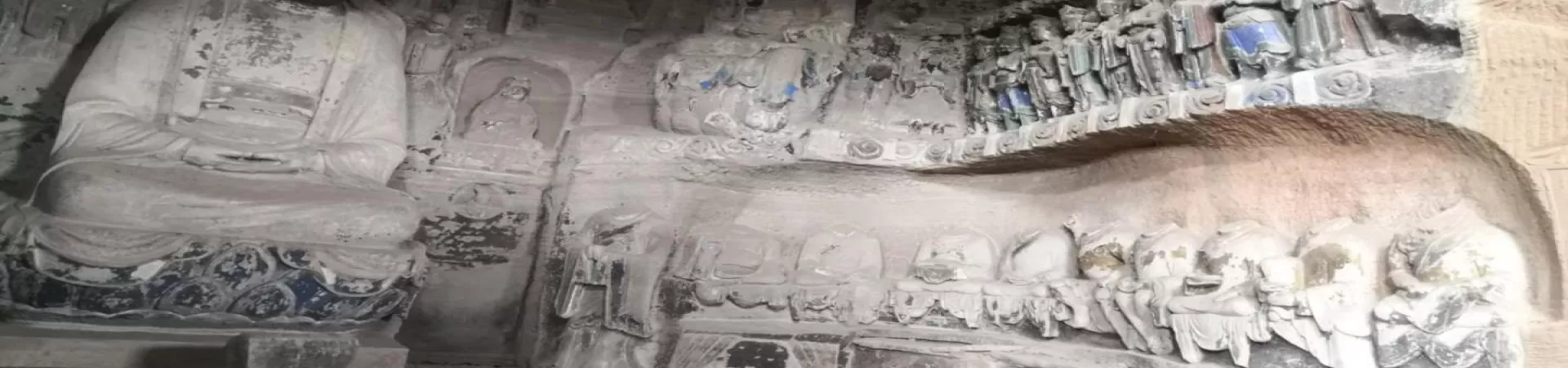
Within these caverns reside 159 exquisite statues from the Song Dynasty, a collective masterpiece of religious sculpture. Song Dynasty art is renowned for its movement towards greater humanism, naturalism, and elegant refinement, characteristics vividly embodied here. The figures, whether depicting serene Buddhas, compassionate Bodhisattvas, or devout disciples, exhibit a remarkable softness in expression and fluidity in the drapery of their robes. They seem less like distant deities and more like enlightened beings of grace and approachable wisdom. This artistic evolution marks a departure from the more monumental and austere styles of earlier Tang Dynasty Buddhist art, offering a glimpse into the changing spiritual aesthetics of medieval China.
Complementing the sculptures are 24 instances of historical stone inscriptions and stele records. These carvings are far more than mere decoration; they are invaluable primary documents. They often record the names of patrons—local officials, wealthy families, and devout communities—who funded the caves' creation, providing insights into the social and economic structures of the time. Some inscriptions may detail the dates of construction or specific Buddhist doctrines, while others are poetic verses left by inspired visitors through the ages. They add a layer of textual history directly onto the stone walls, allowing the site to speak its own chronicle.
Planning Your Visit
Getting There: The most convenient way to reach Huayan Cave is by private car or hired taxi. The drive through the Anyue countryside is part of the experience, offering views of rural Sichuan. While public transportation might reach Shiyang Town, the final ascent to Xianggai Mountain would likely require a local vehicle. It is advisable to use a reliable map application or arrange transport in advance from Ziyang or Anyue county center.
Admission and Opening Hours: The site maintains a very accessible entrance fee of 12 RMB. It is open to visitors daily from 9:00 AM to 6:00 PM, throughout the year. This schedule allows for flexible planning, whether you wish to visit in the soft morning light or the warmer afternoon.
Suggested Duration: To fully appreciate the artistic details, absorb the tranquil atmosphere, and explore the surrounding natural setting, a visit of 1 to 3 hours is recommended. This allows ample time for contemplation without feeling rushed.
A Visitor's Experience and Context
Approaching the grottoes, the quietness of the location is striking. Unlike the often crowded major tourist caves, Huayan offers a more contemplative experience. The two caves, though significant, are intimate in scale, allowing for close, uninterrupted viewing of each sculpture. The play of natural light at different times of day can dramatically alter the appearance of the carved figures, highlighting different contours and expressions.
It is essential to understand that Anyue County is, in fact, one of China's most important centers for Buddhist cave art, home to over 100 such sites scattered across its landscape. Huayan Cave is a stellar representative of this hidden heritage. When visiting, one is not just seeing an isolated monument but a key piece in a vast, county-wide mosaic of Song Dynasty artistry. The craftsmanship seen here—the precise chiseling, the subtle polychrome pigments that may still linger, the harmonious integration of the figures into the rock face—speaks of highly skilled artisans who worked for generations.
The preservation of these grottoes as a national-level protected site is of utmost importance. The soft sandstone is vulnerable to erosion, making the ongoing efforts to protect them from the elements and the passage of time a silent but crucial endeavor. As a visitor, you are witnessing a fragile legacy. The site manages to feel both ancient and immediate, a quiet sanctuary where the spiritual aspirations and artistic genius of the Song Dynasty are forever captured in stone, waiting to be discovered by those who venture off the beaten path into the heart of Sichuan.