Yuanjue Cave Cliff Statue Scenic Area
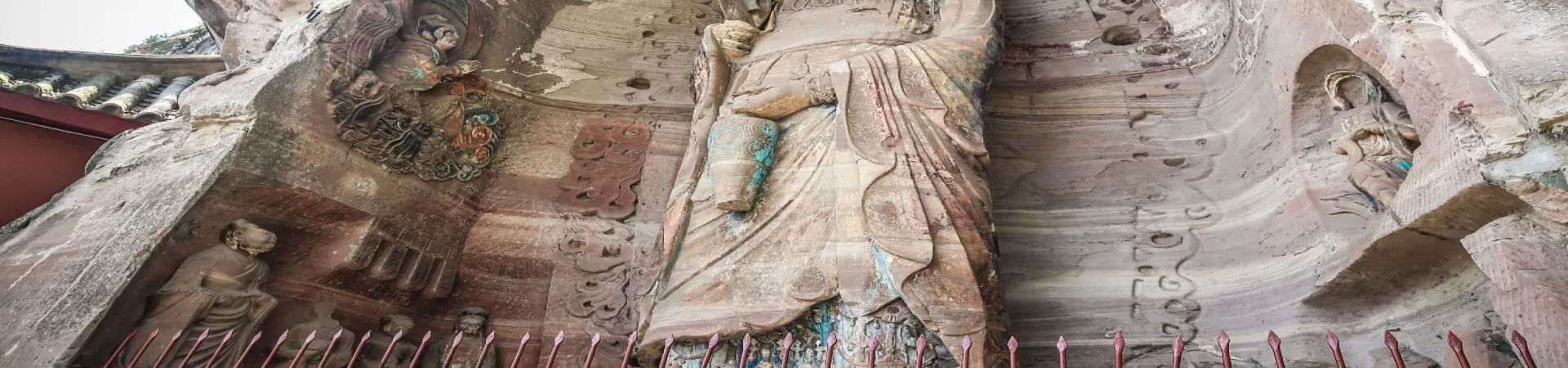
Subtitle: A Journey Through Millennia: Exploring the Cliffside Sculptures of Yuanjue Cave in Ziyang
1. Introduction to the Site
Nestled in the tranquil landscapes of Ziyang City, within China's Sichuan Province, lies a remarkable testament to ancient Buddhist art and devotion: the Yuanjue Cave Cliff Sculptures. This site is not merely a collection of stone carvings; it is a profound spiritual manuscript etched into the living rock, offering visitors a silent yet powerful narrative of faith, artistry, and history spanning over a millennium. As one of the significant representatives of Buddhist grotto art in the Sichuan Basin, Yuanjue Cave provides an intimate and awe-inspiring glimpse into the religious and cultural flourishing of medieval China, away from the more frequented northern grotto complexes.
The scenic area, centered around the main Yuanjue Cave, encompasses a series of niches and sculptures carved directly into the sandstone cliffs. The harmonious integration of the artworks with the natural environment—the quiet woods, the textured rock faces—creates an atmosphere of serene contemplation. A visit here is a journey back in time, inviting reflection on the skilled hands and devout hearts that created these enduring images to inspire generations.
2. Historical and Cultural Context
2.1. Origins and Development The creation of the Yuanjue Cave sculptures is primarily attributed to the Tang (618-907 AD) and Song (960-1279 AD) dynasties, periods often regarded as golden ages of Chinese Buddhist art and culture. During this era, Buddhism was deeply entrenched in Chinese society, supported by both the imperial court and the common populace. The Silk Road and internal trade routes facilitated the flow of artistic ideas, and the practice of carving cave temples as acts of merit spread from northern centers like Dunhuang and Longmen to Sichuan.
The name "Yuanjue" itself carries deep Buddhist significance, translating to "Complete Enlightenment" or "Perfect Awareness." It refers to the ultimate understanding and wisdom achieved by a Buddha. This theme likely guided the original iconographic program, aiming to create a sacred space conducive to teaching, meditation, and the pursuit of spiritual awakening.
2.2. Artistic Significance and Style The sculptures at Yuanjue Cave showcase a distinct regional style characteristic of Sichuan grotto art. While influenced by the grand imperial styles of the northern dynasties, the works here often exhibit a sense of graceful realism, gentle expressions, and intricate detailing in drapery and ornamentation.
The central figures typically include various manifestations of the Buddha, such as Shakyamuni (the historical Buddha) and Maitreya (the Buddha of the Future), alongside Bodhisattvas—enlightened beings who delay their own Buddhahood to help others. Avalokiteshvara (Guanyin), the Bodhisattva of Compassion, is frequently depicted, often in elegantly posed forms. The arrangement of figures within a niche often follows a hierarchical and symmetrical pattern, creating a visually balanced and spiritually focused tableau.
Beyond the major deities, the site may also feature guardian figures, disciples, and donor portraits. Each element, from the serene smile of a Buddha to the intricate carving of a lotus pedestal, speaks volumes about the theological concepts, aesthetic values, and technical prowess of the artisans.
3. A Guide to the Visitor Experience
3.1. Planning Your Visit: Practical Information To fully appreciate the tranquility and detail of the site, planning is essential.
- Opening Hours: The scenic area is open to visitors daily from 8:00 AM to 6:00 PM. It is important to note that last admission is at 5:00 PM. Arriving well before this cutoff allows ample time for a thorough and unhurried exploration.
- Best Time to Visit: The mild seasons of spring (March to May) and autumn (September to November) offer the most comfortable weather for walking through the open-air site. Early mornings on weekdays are often the quietest, providing a more solitary experience.
- Accessibility and Facilities: The area involves walking along paved paths and possibly some gentle stairs to view the cliffs. Visitors are advised to wear comfortable shoes. Basic tourist facilities, including parking, restrooms, and sometimes a small visitor center or ticket booth, are available at the entrance.
3.2. Navigating the Sculpture Niches A walk through the site is a curated journey. While the main "Yuanjue Cave" is the focal point, attention should be paid to the surrounding niches.
3.2.1. The Main Yuanjue Cave This central grotto is the heart of the complex. Inside, one typically finds a large, central Buddha figure, often in a seated meditation posture, flanked by attendant Bodhisattvas and disciples. The interior walls might be adorned with smaller reliefs or faded pigments hinting at original paintings. The atmosphere inside the cave is one of concentrated sanctity, encouraging quiet observation of the detailed iconography.
3.2.2. Key Secondary Niches Scattered along the cliff face are other significant niches. Look for independent statues of Guanyin, which may display the characteristic "royal ease" pose. Other niches might depict narrative scenes from Buddhist scriptures or assemblies of multiple figures. Taking time to observe the differences in carving depth, stylistic details, and potential weathering patterns can help distinguish between Tang and Song period works, offering a tangible lesson in art historical evolution.
3.2.3. The Natural Setting The setting is an integral part of the experience. The way sunlight filters through trees to illuminate certain sculptures at different times of day, the texture of the weathered rock against the precise carvings, and the general peace of the location all contribute to the site's power. It is a place where nature and human artistic achievement exist in a dialogue across centuries.
4. Preservation and Lasting Legacy
The Yuanjue Cave Cliff Sculptures stand as fragile witnesses to history. Exposed to the elements for over a thousand years, they face natural threats from erosion, weathering, and plant growth. Recognizing their immense value, Chinese cultural heritage authorities have undertaken preservation efforts. These may include careful cleaning, structural stabilization of the rock faces, and the installation of protective eaves or barriers where necessary to minimize direct water runoff and physical contact.
Visitors play a crucial role in this preservation. Adhering to site rules—such as not touching the sculptures, as the natural oils on human skin can accelerate deterioration, and staying on designated paths—is paramount. By doing so, one contributes to safeguarding these masterpieces for future generations.
The legacy of Yuanjue Cave is multifaceted. For historians and art scholars, it is an invaluable archive providing insights into regional religious practices, sculptural techniques, and cultural exchange. For pilgrims and spiritual seekers, it remains a place of quiet energy and devotion. For the general visitor, it offers a unique and moving encounter with China's profound historical depth, a chance to stand before artistry that has silently contemplated the passage of time long before our own era began. It is a destination that rewards the thoughtful traveler with a deep sense of connection to the enduring human quest for meaning and beauty.