Wofo Yuan
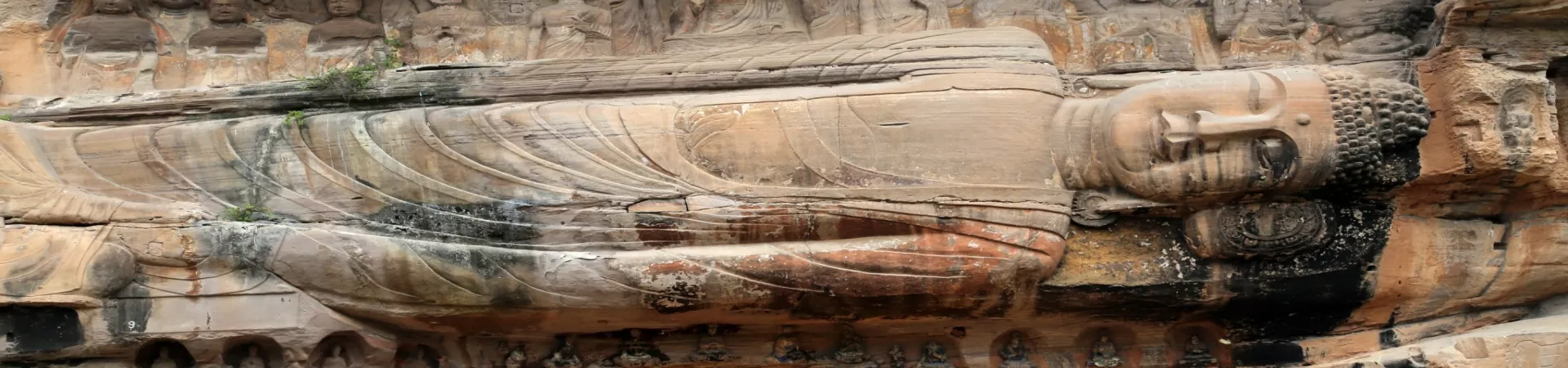
Subtitle: A Journey Through Time: Unveiling the Serene Beauty and Spiritual Legacy of Ziyang's Reclining Buddha Grotto
1. Introduction: The Silent Sermon in Stone Nestled within the serene embrace of Mount Wofo (Buddha's Rest Mountain) in Ziyang City, Sichuan Province, lies a site of profound tranquility and historical resonance—the Ziyang Reclining Buddha Grotto (卧佛院, Wòfó Yuàn). More than just a scenic spot, this ancient complex is a captivating open-air museum of Buddhist art, a testament to the piety of a bygone era, and a place where nature and spirituality intertwine seamlessly. Unlike the bustling, world-famous grottoes in Dunhuang or Yungang, the Ziyang Reclining Buddha Grotto offers a uniquely intimate and contemplative experience. Its relative seclusion has preserved an atmosphere of undisturbed peace, inviting visitors to step away from the modern world and embark on a quiet journey through China's rich religious and artistic heritage, centered around one of the largest and most evocative reclining Buddha statues in the country.
2. Historical and Cultural Context 2.1. Origins in a Flourishing Era The genesis of the Ziyang Reclining Buddha Grotto is primarily traced back to the Tang Dynasty (618-907 AD), a golden age of Chinese civilization marked by economic prosperity, cultural openness, and the peak of Buddhist influence and artistic expression. It was during this period that the core masterpiece, the colossal Reclining Buddha, was meticulously carved into the sandstone cliff face. Subsequent additions and renovations continued through the Song (960-1279 AD) and Ming (1368-1644 AD) dynasties, enriching the site with a layered historical narrative. The grottoes served as an important center for Buddhist worship, meditation, and pilgrimage in the ancient Jianzhou region.
2.2. The Symbolism of the Reclining Buddha The central figure, the Reclining Buddha, represents a pivotal moment in Buddhist iconography: the Mahaparinirvana, or the final passing away of Sakyamuni Buddha from the cycle of birth and rebirth. This posture symbolizes the Buddha's entry into ultimate peace, having completed his earthly teachings. The serene expression, the relaxed posture with head resting on the right hand, and the elongated form are designed not to evoke sorrow, but to convey a state of perfect tranquility, wisdom, and the attainment of liberation. It serves as a powerful visual sermon on impermanence and the promise of enlightenment.
3. Exploring the Grotto Complex: A Detailed Guide 3.1. The Centerpiece: The Majestic Reclining Buddha Dominating the site is the awe-inspiring Reclining Buddha itself. Stretching approximately 23 meters in length, the statue is carved in deep relief directly into the north-facing cliff. The figure is depicted lying on its right side, with graceful, flowing robes draping the body. The face is characterized by a gentle, compassionate expression, with closed eyes and a subtle, peaceful smile. The scale and craftsmanship are remarkable, particularly considering the technical challenges of carving such a large-scale work on a natural rock surface over a millennium ago. The statue resides within a semi-enclosed, arched cavern, which protects it from the elements and creates a naturally solemn ambiance.
3.2. The Surrounding Cliff Carvings and Niches Flanking and surrounding the main Buddha are over 100 smaller grottoes and niches carved into the same long cliff. These contain a pantheon of Buddhist figures: * 3.2.1. Bodhisattvas and Disciples: Intricate statues of Avalokitesvara (Guanyin), Mahasthamaprapta, and the Buddha's closest disciples, such as Ananda and Kasyapa, often depicted in attitudes of mourning or reverence beside the reclining master. * 3.2.2. Guardian Figures: Fierce and majestic heavenly kings (Lokapalas) and warrior attendants (Vajrapanis) are carved to protect the sanctity of the site. * 3.2.3. Narrative Tableaus: Some niches depict scenes from Buddhist sutras or the life of the Buddha, offering a richer storytelling dimension to the artistic ensemble.
3.3. Architectural and Natural Integration The site is an excellent example of harmonious integration with the natural landscape. The builders skillfully utilized the existing overhanging cliff as a giant canopy, reducing the need for extensive artificial structures. A wooden corridor and viewing platforms have been constructed along the cliff base, allowing visitors to walk the length of the site and observe the carvings at close range. The surrounding area is lush with greenery, and the quiet sounds of nature enhance the meditative quality of the visit.
4. Artistic Significance and Preservation 4.1. Distinctive Artistic Style The sculptures at the Ziyang Grotto exhibit the quintessential style of mid to late Tang Dynasty Buddhist art. The figures are characterized by full, rounded faces, serene expressions, and elegantly detailed drapery that clings to the body in a naturalistic way, suggesting the form beneath—a style known for its graceful realism and spiritual depth. While some later repairs from the Song and Ming dynasties are present, the overall aesthetic remains coherent, representing a significant regional school of Sichuan grotto art.
4.2. Conservation Status and Efforts As a National Key Cultural Relics Protection Unit, the site is under the vigilant care of Chinese cultural heritage authorities. The primary threats have been natural erosion from wind and water and potential biological damage from plant growth. Conservation efforts have focused on stabilizing the rock face, monitoring environmental conditions, and carefully cleaning the sculptures without damaging the original patina. The protective cliff overhang has been instrumental in the statue's remarkable state of preservation. Ongoing scientific research and careful maintenance ensure that this cultural treasure is safeguarded for future generations.
5. Practical Visitor Information 5.1. Location and Accessibility The Ziyang Reclining Buddha Grotto is located in the town of Banziao, within Ziyang's Yanjiang District, approximately 35 kilometers from downtown Ziyang City. The journey involves a combination of road travel and a short walk, offering glimpses of the rural Sichuan countryside. While public transportation options exist, they may require transfers; therefore, hiring a private vehicle or joining a guided tour from Ziyang or nearby Chengdu is often the most convenient approach for international and domestic tourists alike.
5.2. Visiting Experience and Etiquette A visit typically takes 1.5 to 2.5 hours, depending on one's pace. The atmosphere is one of quiet reverence. Visitors are encouraged to speak softly, refrain from touching the ancient carvings, and follow all posted guidelines. Photography is generally permitted, but the use of flash or tripods may be restricted to protect the artifacts. The best light for viewing and photographing the main Buddha is often in the late morning to early afternoon. Comfortable walking shoes are essential due to the uneven paths and steps around the site.
5.3. Broader Cultural Journey A trip to the Reclining Buddha Grotto can be seamlessly integrated into a broader exploration of Ziyang's cultural assets, which include the ancient Ziyang Man archaeological site and other historical temples. Furthermore, its proximity to Chengdu (roughly 1.5-2 hours by road) makes it a feasible and highly rewarding day trip from the provincial capital, offering a perfect contrast to the urban energy and modern pace of the metropolis.