Qianfo Village
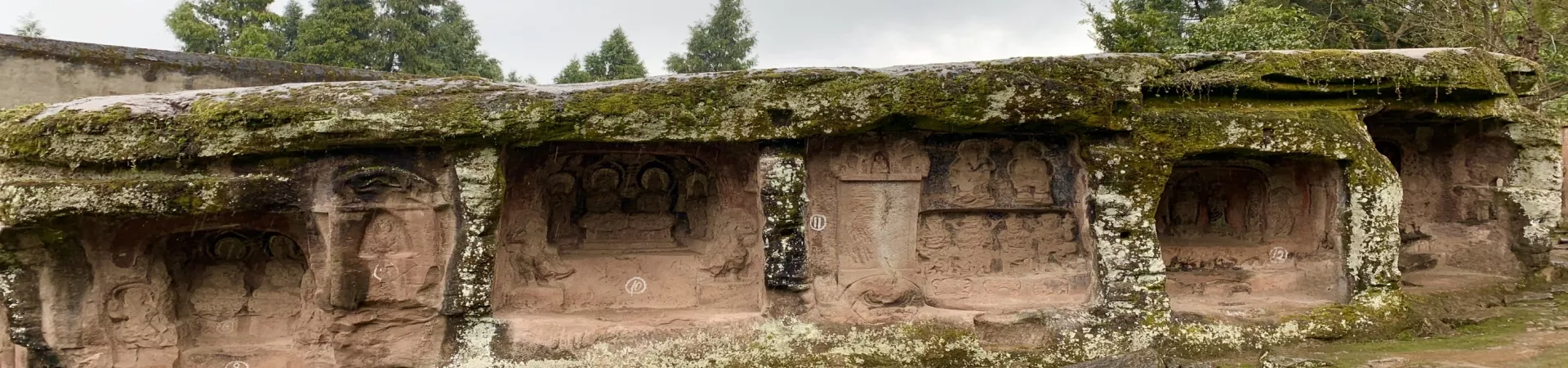
Subtitle: A Journey Through Time: Exploring the Sculpted Legacy of Qianfo Zhai
1. Introduction: A Sanctuary in the Hills
Nestled atop Dayun Mountain in Jiadao Village, Anyue County, approximately 3 kilometers west of Ziyang City in Sichuan Province, lies the serene and historically profound Qianfo Zhai, or the "Thousand-Buddha Cliff Village." Accessible via a dedicated tourist shuttle, this elongated site stretches from east to west across an area of 150 acres. True to its name, Qianfo Zhai is renowned for the multitude of Buddhist statues carved into the natural rock faces of its hilltop perimeter. Its significance is underscored by its status as a Provincial Cultural Relics Protection Unit since 1956 and its elevation in 2006 to a National Key Cultural Relics Protection Unit under the designation "Anyue Grottoes: Qianfo Zhai."
2. Historical and Artistic Panorama
2.1. Chronology of Creation The artistic endeavor at Qianfo Zhai began during the Tang Dynasty (618-907 AD), reaching its zenith in the subsequent Song Dynasty (960-1279 AD). This span of activity allowed for the development and preservation of distinct artistic styles across different dynasties, making the site a veritable open-air museum of Chinese Buddhist sculpture.
2.2. Scale and Scope of the Artwork The site is comprised of 105 niches and grottoes, housing an impressive total of 3,061 statues. Complementing these are 7 rock-cut pagodas (stupas), 3 Tang Dynasty stone steles, and 26 inscribed dedicatory texts. The subject matter is vast, encompassing figures such as Sakyamuni Buddha, Bodhisattvas (notably Avalokitesvara, or Guanyin), Arhats, Vajra Guardians, celestial warriors, Dharma protectors, Apsaras (flying deities), and donor portraits, along with intricate narrative scenes from Buddhist sutras.
3. A Comparative Study: North vs. South Cliff
3.1. The Southern Cliff: Tang Grandeur and Northern Wei Echoes The sculptures on the southern cliff predominantly reflect the artistic sensibilities of the Tang Dynasty and its predecessors. A statue of Sakyamuni Buddha here is characterized by garment folds that are deeply carved, sparse, and flowing, with bold and unconstrained lines—a style echoing the remnants of the earlier Northern Wei Dynasty. The statues of Avalokitesvara (Guanyin) are particularly notable for their full, rounded faces and a remarkable sense of dynamic movement, embodying the confident and robust aesthetic ideal of the High Tang period.
3.2. The Northern Cliff: The Refinement of the Five Dynasties and Song In stark contrast, the northern cliff showcases the evolving style of the Five Dynasties and Song periods. The figures here often feature slender waists and slightly protruding bellies, with drapery that appears more delicate, intricate, and elegantly flowing. This shift highlights the changing artistic preferences towards greater refinement and detailed naturalism.
4. Artistic and Botanical Highlights
4.1. Masterpiece Chamber: The Bhaisajyaguru Vairocana Sutra Grotto Among the many treasures, one grotto dedicated to the Bhaisajyaguru (Medicine Buddha) Sutra stands out for its rarity and grandeur. Its walls are adorned with large-scale, exquisitely carved reliefs depicting the "Nine Untimely Deaths" and the "Twelve Great Vows"—iconographic themes seldom seen in such elaborate form elsewhere. The scale and superior craftsmanship of these reliefs grant them exceptional aesthetic, historical, and academic research value.
4.2. A Natural Arboretum The historical artistry is harmoniously framed by a lush, tranquil natural environment. The park is shaded by ancient, towering trees and features a diverse collection of precious botanical species, including cycads, ginkgo biloba, magnolia officinalis, and "human-face" bamboo. This dense, verdant canopy creates an atmosphere of profound peace and majestic grandeur, significantly enhancing the site's overall contemplative and观赏价值 (ornamental value).
5. Practical Visitor Information
5.1. Location and Access Qianfo Zhai is situated in Jiadao Village, Anyue County, Ziyang City, Sichuan Province. The most convenient access from Anyue county town is via the dedicated tourist shuttle service, which brings visitors directly to the site. The final approach within the park is best explored on foot.
5.2. Opening Hours and Visit Duration The site is open to visitors daily from 8:00 AM to 6:00 PM throughout the year. To fully appreciate the artistic details, explore both cliff faces, and enjoy the natural surroundings, a visit of three hours or more is highly recommended.
As a quintessential representation of the Anyue Grottoes—celebrated for their antiquity, quantity, exquisite craftsmanship, and beauty—Qianfo Zhai stands as an indispensable and profoundly rewarding destination for understanding the evolution of Chinese Buddhist rock art.