Kongque Dong
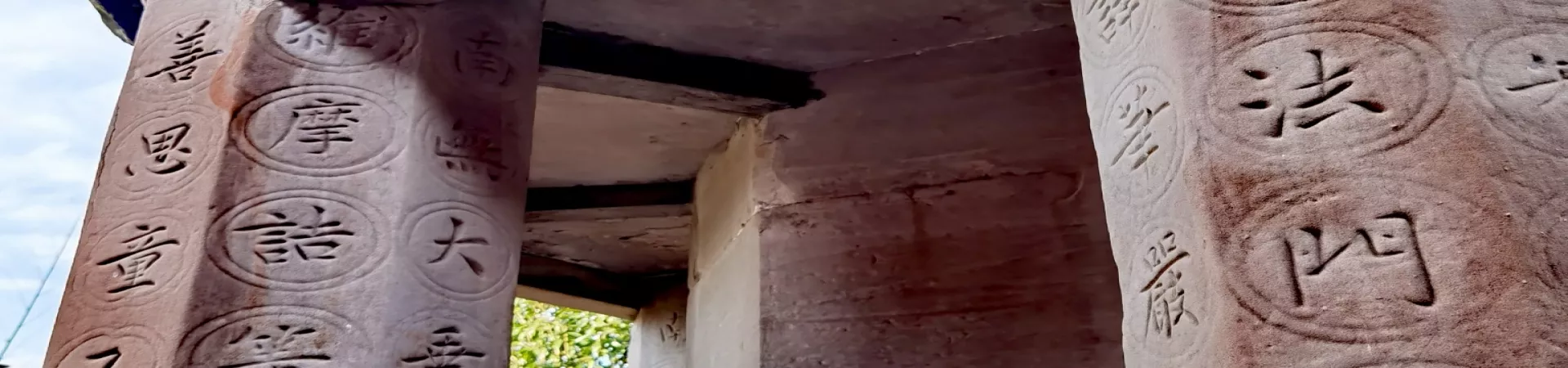
Subtitle: A Journey into Ancient Buddhist Art and Serenity
1. Introduction: The Hidden Gem of Ziyang Nestled in the tranquil hills of Ziyang City, in China's Sichuan Province, lies a remarkable testament to ancient faith and artistic dedication: the Peacock Cave (Kongque Dong). Far from the bustling crowds of more famous tourist destinations, this site offers a profound and intimate encounter with China's rich Buddhist heritage. Unlike the monumental cave complexes of Dunhuang or Yungang, Peacock Cave possesses a unique charm derived from its secluded setting, its singular artistic focus, and the palpable sense of history that permeates its chambers. A visit here is not merely sightseeing; it is a step back in time into a serene world of spiritual contemplation and exquisite stone carving, waiting to be discovered by the discerning traveler.
2. Historical and Cultural Context 2.1. Origins in the Tang Dynasty The creation of Peacock Cave is firmly rooted in the golden age of Chinese Buddhist art—the Tang Dynasty (618-907 AD). This period was characterized by unprecedented cultural flourishing, religious patronage, and the synthesis of Indian Buddhist influences with native Chinese artistic traditions. It was during this vibrant era that skilled artisans, likely under the sponsorship of devout local communities or traveling monks, began the arduous task of carving sacred images directly into the sandstone cliff face. The cave stands as a silent witness to the deep piety and sophisticated craftsmanship that defined the region over a millennium ago.
2.2. The Significance of the Site While modest in scale compared to China's largest grottoes, Peacock Cave's significance is immense. It serves as a crucial cultural and historical node, illustrating the spread and localization of Buddhist practice in central Sichuan. The cave's preservation allows scholars and visitors alike to study Tang dynasty sculptural styles, iconography, and religious practices in a relatively undisturbed context. It is a valuable piece in the puzzle of understanding how Buddhist art evolved and adapted as it moved through different regions of China.
3. The Artistic Marvel: Inside Peacock Cave 3.1. The Central Triad: A Masterpiece of Composition The absolute centerpiece of the cave is a magnificent, well-preserved triad of statues carved in high relief. This group dominates the main altar and exemplifies the harmonious balance and spiritual grandeur of Tang art. * The Principal Buddha: Seated in the center, the main Buddha figure, often identified as Amitabha or Shakyamuni, is depicted with a serene, compassionate expression. The statue showcases classic Tang features: a rounded, peaceful face, gracefully draped robes that fall in naturalistic folds, and a calm, meditative posture. The figure exudes an aura of wisdom and tranquil authority. * Attendant Bodhisattvas: Flanking the central Buddha are two exquisitely detailed Bodhisattvas. These enlightened beings, who delay their own nirvana to assist others, are portrayed with elegant proportions and intricate adornments. Their crowns, jewelry, and flowing scarves are carved with remarkable precision, demonstrating the artisans' attention to detail even within the challenging medium of stone.
3.2. The Namesake: The Peacock King Bodhisattva The cave derives its name from a unique and captivating statue located to the right of the main altar: the Peacock King Ming Wang (Kongque Ming Wang). This esoteric Buddhist deity is a rare and highlight of the cave. * Iconography: The deity is typically depicted with multiple arms, holding various symbolic weapons and ritual objects, seated or standing upon a peacock. The peacock, symbolizing the ability to transform poison (worldly desires) into the nectar of wisdom, is a key element of this representation. * Artistic Execution: The carving of the Peacock King is a dynamic contrast to the serene central triad. It showcases a more vigorous and powerful style, with intricate details in the multiple arms, the fierce yet protective expression, and the feathers of the peacock mount. This statue provides invaluable insight into the diverse pantheon and artistic styles present within Tang Buddhism.
3.3. Additional Carvings and Atmosphere Surrounding the primary figures, the cave walls bear traces of other carvings, including smaller Buddha niches, lotus patterns, and donor inscriptions, though some have faded with time. The interior atmosphere is one of profound quiet and reverence. The soft, natural light filtering into the cave gently illuminates the ancient stone faces, creating a moving interplay of shadow and form that enhances the spiritual ambiance.
4. The Visitor Experience 4.1. Location and Accessibility Peacock Cave is situated in the town of Xinchang, within Ziyang's Yanjiang District. The journey to the site involves traveling through the picturesque Sichuan countryside, culminating in a short, peaceful walk up to the cave entrance. Its relatively remote location ensures a crowd-free experience, allowing for uninterrupted contemplation of the art.
4.2. Practical Tips for Exploration * Timing: Visit during daylight hours for optimal viewing of the sculptures. The quality of light inside the cave changes throughout the day, offering different perspectives on the carvings. * Guided vs. Independent Visit: While one can appreciate the cave's beauty independently, the services of a local guide or prior research into Buddhist iconography will greatly enrich the understanding of the statues' symbolism and historical context. * Etiquette: As a historical and cultural relic, visitors are expected to show respect. This includes not touching the carvings, maintaining a quiet demeanor, and following any posted site regulations to help preserve this fragile heritage for future generations.
4.3. Complementary Attractions in Ziyang A trip to Peacock Cave can be seamlessly integrated into a broader exploration of Ziyang's cultural landscape. The city and its surroundings offer other historical sites, traditional Sichuanese architecture, and the opportunity to experience the region's renowned cuisine. Combining a visit to the cave with these local experiences provides a more holistic understanding of the area's cultural tapestry, from its ancient spiritual expressions to its contemporary life.