Anyue Stone Carvings
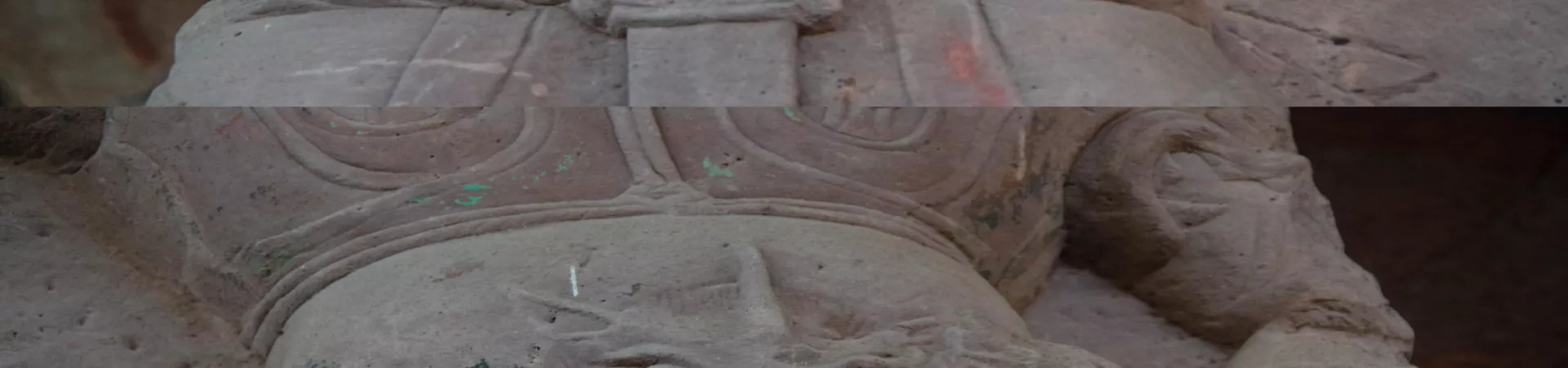
Subtitle: A Journey Through Stone: Unveiling the Buddhist Treasures of Anyue
Introduction: The Silent Sermons in Stone
Nestled in the verdant hills of Ziyang City in Sichuan Province, far from the well-trodden paths to the major Buddhist grottoes of Dunhuang, Yungang, and Longmen, lies a realm of profound spiritual and artistic significance: the Anyue Rock Carvings. This sprawling, decentralized complex is not a single site but a constellation of over 200 clusters, encompassing more than 100,000 individual statues scattered across the countryside. Primarily dating from the Tang (618-907 AD) through Song (960-1279 AD) dynasties, with some extensions into the Ming and Qing, Anyue represents the pinnacle of late Chinese grotto art. It serves as a crucial link, showcasing the evolution of Buddhist iconography, aesthetics, and devotional practice during a period when cave temple construction in northern China had waned. Here, the silent sermons carved into sandstone cliffs and hidden within natural grottos offer an intimate, breathtaking encounter with a millennium of faith, craftsmanship, and cultural dialogue.
1. Historical and Artistic Context
1.1. The Southern Silk Road Connection Anyue's flourishing was intimately tied to its location on a branch of the ancient Southern Silk Road. This network of trade routes facilitated not only the exchange of goods like silk and tea but also the flow of ideas, religions, and artistic influences. Buddhism, traveling from India through Central Asia and into China, found fertile ground here. The patronage for these carvings came from a diverse array of sponsors, including itinerant monks, local gentry, government officials, and devout communities, reflecting the deep permeation of Buddhist faith into local society during the Song Dynasty, a period noted for its economic prosperity and cultural refinement.
1.2. Evolution of Style: From Tang Grandeur to Song Elegance The carvings at Anyue vividly chart the stylistic transition in Chinese Buddhist art. Early works from the Tang Dynasty are characterized by a robust, majestic grandeur, with full-bodied figures exuding a sense of celestial power and solemnity. As one moves into the Song Dynasty period, the aesthetic shifts markedly. The figures become more slender, graceful, and humanized. Their postures are more natural, their garments flow with intricate, realistic folds, and their facial expressions soften into gentle, introspective smiles that seem to convey compassion and inner peace. This "Song style" represents a sinicization and secularization of Buddhist imagery, making the divine more accessible and relatable to the common worshipper.
2. Key Grotto Clusters and Masterpieces
Due to the dispersed nature of the sites, visitors typically focus on several key protected clusters, each with its own unique character and masterworks.
2.1. Pilu Dong (Pilu Cave) 2.1.1. The Crown Jewel: "The Water Moon Guanyin" Pilu Dong is home to the undisputed masterpiece of Anyue and one of the most celebrated single statues in all of Chinese Buddhist art: the Shuiyue Guanyin (Water Moon Guanyin). Carved in 990 AD during the Northern Song, this statue of the Bodhisattva of Compassion defies traditional rigid postures. She is depicted in a relaxed, lalitasana (royal ease) pose, with one knee raised and her right arm resting casually upon it. Her body exhibits a subtle, elegant S-curve, and her face bears an expression of serene contemplation, with a faint, enigmatic smile. The craftsmanship is exquisite, from the detailed jewelry and fluid drapery to the serene atmosphere that envelops the figure. She is less a distant deity and more a paradigm of graceful, enlightened humanity.
2.2. Yuanjue Dong (Yuanjue Cave) 2.2.1. A Symphony of Sculpture Yuanjue Cave presents a spectacular facade where numerous life-sized and larger-than-life statues of Buddhas and Bodhisattvas are carved directly into a cliff face. The central figure is often a majestic Amitabha Buddha. The arrangement is harmonious and imposing, creating a powerful visual impact of a celestial assembly. The site exemplifies the high-volume, high-quality output of the Song period, with meticulous attention to the differentiation of individual figures and the collective composition.
2.3. Huayan Dong (Huayan Cave) 2.3.1. The Huayan Cosmology This cave is dedicated to the profound teachings of the Huayan (Avatamsaka) school of Buddhism, which emphasizes the interpenetration and mutual identity of all phenomena. The central sculptural group typically features the Vairocana Buddha (the cosmic Buddha) flanked by major Bodhisattvas like Manjushri and Samantabhadra. The iconography here is more philosophically complex, representing the intricate universe as described in Huayan sutras. The carvings are noted for their dignified composition and refined detailing, serving as a stone embodiment of sophisticated Buddhist metaphysics.
2.4. Qianfo Zhai (Thousand Buddha Hermitage) & Other Sites 2.4.1. A Tapestry of Devotion Qianfo Zhai, as the name suggests, is a vast area covered with countless small Buddha niches and figures carved over several centuries. It offers a less curated, more organic glimpse into the history of devotion, where generations of patrons left their mark. Sites like Kongque Dong (Peacock Cave) feature unique iconography, such as the Buddha seated on a peacock, associated with the esoteric Buddhist tradition. Mingshan Temple area contains significant Tang Dynasty steles and statues, providing a contrast to the predominant Song style elsewhere.
3. Practical Visitor Information
3.1. Ticketing and Access The Anyue carvings are managed as separate scenic areas. Each major cluster requires its own entrance ticket. A standard ticket for a site like Pilu Dong or Yuanjue Dong is approximately 30 RMB. It is advisable to check for combined tickets or seasonal promotions. Purchasing tickets on-site at each location is standard procedure.
3.2. Operating Hours Operating hours vary slightly between the different grotto clusters: * Qianfo Zhai, Huayan Dong, and Kongque Dong scenic areas: Generally open from 8:00 AM to 7:30 PM. * Pilu Dong and Yuanjue Dong scenic areas: Typically open from 8:30 AM to 5:30 PM. It is highly recommended to start your visit early in the day, especially for the more popular sites like Pilu Dong, to avoid crowds and have ample time for appreciation. Always confirm the latest hours locally before your visit, as they can be subject to change.
3.3. Planning Your Visit 3.3.1. Transportation and Guides The sites are spread across Anyue County. Hiring a local driver or joining a guided tour from Chengdu or Ziyang is the most efficient way to visit multiple grottoes in one or two days. The roads are generally good, but travel between sites takes time. A knowledgeable local guide is invaluable for understanding the historical context, iconographic symbols, and artistic nuances that are not always immediately apparent.
3.3.2. Conservation and Etiquette These carvings are incredibly fragile. It is imperative not to touch the statues, as oils from human skin can accelerate erosion. The use of flash photography is often prohibited to prevent cumulative light damage. Maintain a respectful demeanor, as many of these sites remain active places of worship and cultural reverence.
4. The Enduring Legacy
The Anyue Rock Carvings stand as a testament to a sustained, localized artistic and religious movement. They lack the imperial scale of Longmen or the remote mystique of Dunhuang but offer something equally precious: an immersive journey into the heart of Song Dynasty aesthetic sensibility and popular Buddhist devotion. Walking among these cliffs, one encounters not just religious icons, but the hopes, fears, and supreme artistic skill of a bygone era, preserved with startling clarity in the soft stone of Sichuan. They remain a less-discovered treasure, waiting to reveal their quiet stories to the thoughtful traveler.