Sanduo Village
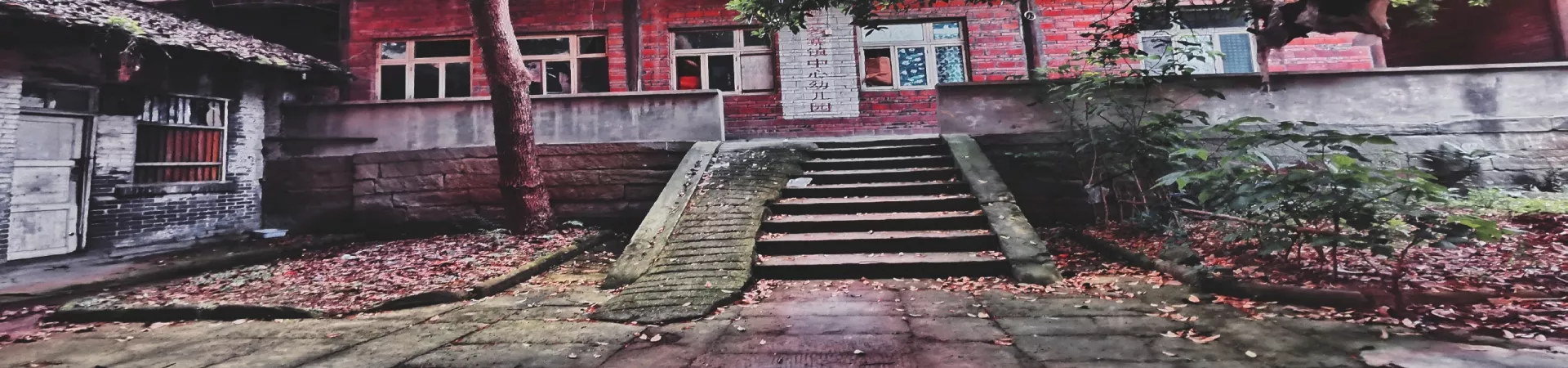
Subtitle: A Journey Through Time at Zigong's Ancient Fortified Village
Introduction: The Allure of Sanduo Zhai
Nestled amidst the rolling hills of Zigong in Sichuan Province, a city more famously associated with dinosaur fossils and deep well salt, lies a remarkable historical enclave that offers a profound contrast: Sanduo Zhai. This ancient fortified village, whose name translates to "Village of Three Abundances," stands as a monumental testament to a bygone era of communal defense, intricate planning, and resilient local culture. Far from being a mere collection of old buildings, Sanduo Zhai is a sprawling, living museum of Qing Dynasty military and civilian architecture, offering visitors a rare, immersive step into a self-contained world built for security, prosperity, and order. Its imposing walls and strategic location whisper tales of a turbulent past, while its preserved structures and enduring layout speak volumes about the societal values and architectural ingenuity of 19th-century rural China. A visit here is not just a scenic detour but a deep dive into the historical narrative of Sichuan's local gentry and their response to regional instability.
1. Historical Context and Strategic Significance
1.1. Origins in an Era of Unrest The genesis of Sanduo Zhai is rooted in the mid-19th century, a period marked by significant social upheaval in Sichuan, most notably the upheavals of the Taiping Rebellion. In response to the pervasive threat of banditry and local conflicts, the concept of fortified villages, or Zhai, became a crucial strategy for communal survival. Sanduo Zhai was conceived and financed not by a governmental decree, but by a coalition of local wealthy families and gentry, primarily from the Yan, Li, and Wang clans. Its construction, beginning around 1853, was a massive communal undertaking designed to create an impregnable refuge for thousands of residents and their assets.
1.2. Architectural Philosophy of Defense The primary raison d'être of Sanduo Zhai was defense, and every aspect of its design served this purpose. Perched on a hilltop approximately 400 meters above sea level, it commands a panoramic view of the surrounding countryside, providing an early warning advantage. The village is encircled by formidable stone walls, stretching over 4 kilometers in length, which are punctuated by towering gates and watchtowers. These walls, thick and robust, were engineered to withstand assaults and sieges. The strategic placement of the village and the sheer scale of its fortifications clearly illustrate the high value placed on security and the very real dangers that characterized the era.
2. Exploring the Layout and Architectural Marvels
2.1. The Grand Gates and Defensive Perimeter Access to Sanduo Zhai is controlled through a limited number of massive gates, the most famous being the South Gate. Each gate is a complex defensive structure in itself, often featuring multiple layers, heavy wooden doors reinforced with iron, and intricate mechanisms. Traversing through these gates symbolizes leaving the modern world and entering the historical realm of the Zhai. A walk along sections of the ancient wall, where possible, is highly recommended, as it offers breathtaking vistas of the lush, terraced farmland below and a tangible sense of the village's strategic might.
2.2. The Internal Urban Fabric: Streets, Alleys, and Public Spaces Within the safety of the walls, Sanduo Zhai reveals itself as a meticulously planned settlement. Its layout follows a clear, orderly grid system, which is unusual for traditional organic Chinese villages. The main street runs north-south, acting as the central artery, flanked by narrower, symmetrical lanes. This design facilitated not only orderly daily life but also the rapid mobilization of defenders during an attack.
2.2.1. Residential Compounds and Clan Culture Branching off the main lanes are traditional Sichuan-style courtyard residences. These compounds, with their grey-tiled roofs, wooden beam frameworks, and carved details, housed the extended families of the founding clans. The architecture reflects a focus on inward-facing living, with courtyards serving as private outdoor spaces for family activities. The preservation of several such compounds allows visitors to appreciate the domestic architecture and imagine the daily lives, hierarchies, and social rituals of the inhabitants.
2.2.2. Vital Infrastructure: Wells, Granaries, and Workshops A key to the village's long-term sustainability was its self-sufficiency. Scattered throughout Sanduo Zhai are ancient, deep wells that provided a reliable water source during sieges. Large granaries for food storage, workshops for tools and weapon repair, and even dedicated spaces for livestock were integrated into the plan. This infrastructure highlights the village's design as a fully autonomous entity capable of surviving prolonged isolation.
3. The "Three Abundances" and Cultural Legacy
3.1. Interpreting the Name: More Than Just a Motto The name "Sanduo" (Three Abundances) is central to the village's identity. Traditionally, it is said to represent the abundance of Trees, Fortifications (or alternatively, Water), and Grain. This triad encapsulates the core philosophy of the settlement: * Abundance of Trees: Symbolizing the lush environment, ecological balance, and available building materials. * Abundance of Fortifications/Water: Representing the paramount importance of security (strong walls) and the essential resource of water (deep wells). * Abundance of Grain: Signifying agricultural prosperity, food security, and economic stability.
This concept was not merely aspirational but was engineered into the very fabric of the village through its forestry management, defensive construction, and agricultural planning.
3.2. Temples and Spiritual Life No traditional Chinese community was complete without spaces for spiritual solace. Sanduo Zhai contains several temples and ancestral halls, such as the Baoshan Temple. These sites served as centers for religious worship, community gatherings, and the reinforcement of moral and social order. They provided psychological comfort to residents living under constant threat and reinforced the cultural and spiritual bonds that held the community together.
4. Practical Information for the Modern Visitor
4.1. Opening Hours and Accessibility Sanduo Zhai is open to visitors 24 hours a day, every day of the year. This unique round-the-clock access allows for flexibility in planning. The most atmospheric experiences can be had early in the morning, when mist often shrouds the hills, or late in the afternoon, when the setting sun casts long shadows on the ancient stones. However, visiting during daylight hours is advisable for fully appreciating the architectural details and navigating the village lanes. The site is located approximately 15 kilometers from downtown Zigong, accessible by taxi or local bus services.
4.2. The Visitor Experience: What to Expect Today, Sanduo Zhai is a blend of historical preservation and living village. While many original structures remain, some are still inhabited by local residents, offering an authentic glimpse into rural Sichuan life. Visitors can expect a moderately strenuous experience due to the hilly terrain and stone steps. Comfortable walking shoes are essential. The journey is one of exploration—wandering through ancient gates, peeking into weathered courtyards, interacting with friendly locals, and standing on the high walls to contemplate the same views the sentries once guarded. It is a place that rewards quiet observation and historical imagination.
Information last updated: January 9, 2023. Credit and thanks to contributor Qiao Ruo'an for collaborative input.