Huanhou Palace
Subtitle: A Journey into the Heart of Zigong's Salt and Martial History
1. Introduction: The Guardian of an Industry
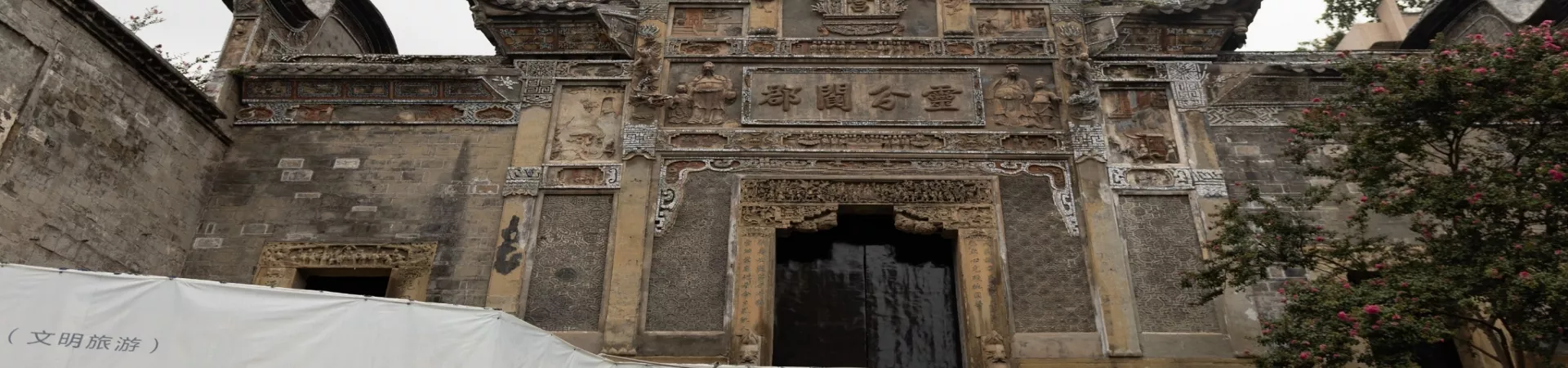
Nestled within the bustling, modern city of Zigong in Sichuan Province, China, stands a historical and cultural gem that whispers tales of prosperity, brotherhood, and divine protection: the Huanhou Palace. More than just a temple, this site is a profound testament to the city's lifeblood—the salt industry—and the deep-seated veneration for a deified historical hero, Zhang Fei. Unlike imperial palaces or grand Buddhist monasteries, Huanhou Palace offers a uniquely intimate look into the guild culture and spiritual world of the industrious merchants and laborers who built Zigong's fortune from the ground up. A visit here is not merely sightseeing; it is an immersive step back into the era when salt was white gold, and community faith was carved into every wooden beam and stone sculpture.
2. Historical and Cultural Context
2.1. Zigong: The Salt Capital To fully appreciate Huanhou Palace, one must first understand its context. For centuries, Zigong was synonymous with salt production in China. Its advanced deep-drilling technology provided a significant portion of the country's salt, generating immense wealth and fostering a distinct, prosperous local culture. This economic engine attracted workers, merchants, and investors, creating a complex societal fabric.
2.2. The Deification of Zhang Fei (Lord Huan) At the center of the palace's story is Zhang Fei, a legendary general from the Three Kingdoms period (220-280 AD) renowned for his fierce loyalty, formidable strength, and hot temper. In a fascinating process of folk deification, Zhang Fei was transformed into "Lord Huan" (Huanhou), a protective deity. For the salt merchants of Zigong, he became a patron saint. They believed his formidable spirit could safeguard their valuable wells and brine pipelines from disasters, ensure smooth transportation, and bring general prosperity and security to their perilous and competitive trade.
2.3. A Guild Hall in Disguise Huanhou Palace, constructed during the Qing Dynasty (with its most significant renovations in the late 19th century), was fundamentally built and managed by the local salt merchants' guild. While it served as a temple for worship, its role was multifaceted. It was a place for guild meetings, dispute resolution, business networking, and organizing community festivities. The palace, therefore, stands as a magnificent architectural symbol of the guild's power, wealth, and collective identity.
3. Architectural and Artistic Exploration
The palace is a superb example of Qing-era temple architecture, adapted to a steep, narrow plot of land. Its design is a masterful utilization of space, creating an impression of grandeur and depth despite its limited footprint.
3.1. Layout and Structure The complex follows a traditional axial layout but is built ascending a slope. Visitors typically pass through a theatrical stage building, a unique feature where operas were performed for the deity and the public during festivals. This leads into a series of courtyards and main halls, each level rising higher than the last. The main hall houses the statue of Zhang Fei, where offerings and prayers were made. The clever use of elevated platforms, staircases, and enclosed corridors creates a dynamic and engaging spatial experience.
3.2. Decorative Details and Symbolism The artistic value of Huanhou Palace is immense. It is renowned for its "Three Excellences": exquisite wood carvings, stone sculptures, and clay sculptures.
- Wood Carvings: The eaves brackets (dougong), beams, and friezes are adorned with intricate reliefs depicting scenes from Chinese mythology, the Three Kingdoms saga, and auspicious symbols like bats (for fortune) and cranes (for longevity). Every carving tells a story or conveys a blessing.
- Stone Sculptures: The stone foundations, railings, and pillars feature detailed work, including guardian lions and narrative panels. The craftsmanship demonstrates the high skill of local artisans funded by the guild.
- Clay Sculptures: Vivid and colorful clay statues, not only of Zhang Fei but also of other figures, add to the spiritual and narrative atmosphere of the interior spaces.
The entire decorative scheme glorifies Zhang Fei's virtues of loyalty and righteousness while simultaneously showcasing the guild's prosperity and cultural aspirations.
4. The Visitor Experience and Practical Information
4.1. Navigating the Palace Today Walking through Huanhou Palace today, visitors can feel the echoes of the past. The atmosphere is one of solemn history rather than religious fervor. Key highlights include:
- The Stage: Imagine the bustling crowds during temple fairs.
- The Main Worship Hall: Contemplate the statue of Zhang Fei and the incense burners used by merchants.
- The Architectural Details: Spend time observing the "Three Excellences." The density of artwork rewards careful observation.
- The Courtyards: The small, tiered courtyards offer moments of tranquility and unique photographic perspectives of the architecture.
4.2. Location and Access Huanhou Palace is located in the older part of Zigong city, within the Ziliujing District, historically the core of the salt industry. It is often included in a cultural tour alongside the famed Zigong Dinosaur Museum and the Salt Industry History Museum.
- Contact Information: For the most current information, visitors can inquire locally. A relevant contact number from previous records is +86 130 6230 6249, but it is advisable to verify operational hours through local tourist information centers or your accommodation.
4.3. Cultural Significance in the Modern Day Huanhou Palace is protected as a key cultural relic. It serves no longer as an active guild hall but as a museum of itself—a preserved snapshot of a bygone socio-economic era. It educates visitors on how commerce, community, and faith were inextricably linked in traditional Chinese society. For those interested in grassroots history, folk religion, and industrial heritage, it provides an unparalleled and deeply authentic narrative that complements the broader history of Zigong. It stands as a powerful reminder that behind the grand sweep of history are the collective dreams, fears, and devotions of the people who shaped it.