Zibo City Museum
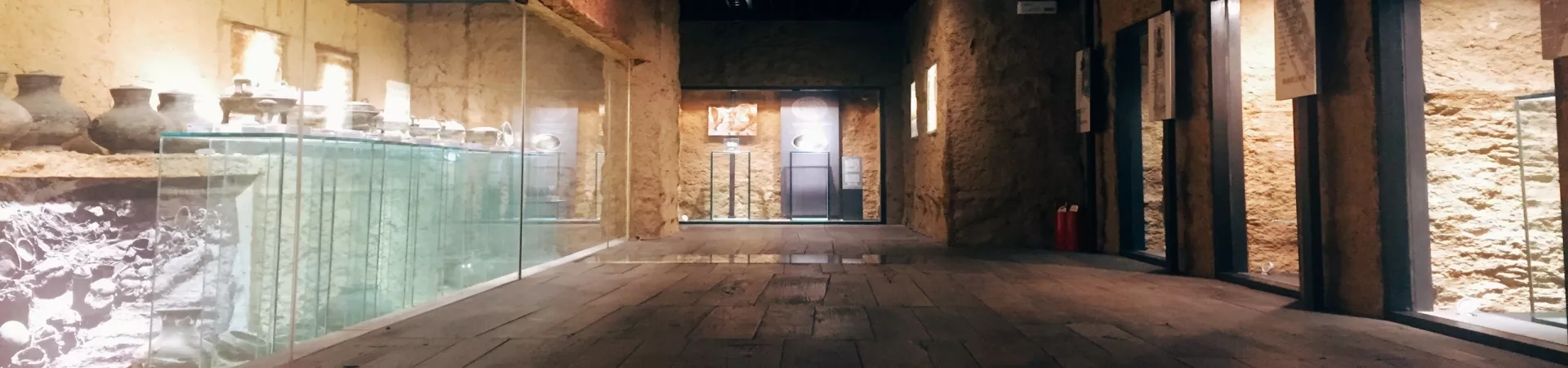
A Window into Ancient Qi: Exploring the Treasures of Zibo Museum
1. Introduction: A Cultural Beacon in Zibo Established on April 2, 1958, and now operating under the Zibo Municipal Bureau of Culture and Tourism, the Zibo Museum stands as a prominent cultural institution in Shandong Province. As a National Second-Grade Museum, it serves as a comprehensive, local chronicle museum dedicated to the collection and preservation of cultural relics, scientific research, and public education. Its significance extends beyond its walls, functioning as a vital window into the history and culture of the Zibo region and earning accolades such as "Provincial Civilized Unit." Since 2008, the museum has welcomed visitors free of charge, firmly committing to making cultural heritage accessible to all and solidifying its role as a key platform for cultural dissemination and patriotic education for citizens of all ages.
2. Architectural Profile and Collections 2.1. The Museum Complex The current museum building was completed and opened to the public in 1992. Occupying a spacious 42-acre site, the complex boasts a total floor area of 13,000 square meters. This space is efficiently distributed across a 9,300-square-meter exhibition building, a 1,500-square-meter specialized文物库房 (cultural relics repository), and a 2,200-square-meter administrative office building, providing a modern and functional environment for both display and preservation.
2.2. A Treasure Trove of Artifacts The museum's collection is both vast and distinguished, comprising 25,221 individual items or sets. This impressive assemblage includes 50 National First-Grade relics, 99 National Second-Grade relics, and 540 National Third-Grade relics, representing the highest levels of historical and artistic value. The most celebrated highlights of the collection are derived from two major archaeological discoveries: the Western Han Dynasty Tomb of the King of Qi and the Warring States Period Tomb of King Shang. Artifacts unearthed from these sites—including exquisite bronze vessels, intricate jade carvings, and delicate gold and silver work—are considered quintessential representations of the region's ancient craftsmanship and are frequently requested for prestigious exhibitions both within China and internationally.
3. Exhibition System and Cultural Offerings The Zibo Museum has developed a dynamic and multi-layered exhibition system, seamlessly integrating permanent displays, thematic exhibitions, and temporary shows to cater to diverse interests.
3.1. Permanent and Thematic Exhibitions The museum's foundational displays offer deep dives into specific historical and cultural themes: * "Exhibition of Selected Museum Collection Treasures": This showcase presents the absolute finest pieces from the museum's holdings, offering visitors a concentrated view of masterpieces across different dynasties and materials. * "Exhibition of Burial Pits from the Western Han Dynasty Tomb of the King of Qi": This focused display provides an immersive look into the burial practices and extraordinary grave goods associated with this pivotal archaeological site, bringing the grandeur of the Western Han period to life. * "Exhibition of Ancient Zibo": This narrative chronicle traces the long and continuous history of human activity in the Zibo region, from prehistoric times through the imperial eras, contextualizing the area's development. * "Exhibition of Achievements in Intangible Cultural Heritage Safeguarding in Zibo": Moving beyond physical artifacts, this exhibition celebrates the living traditions, performing arts, and craftsmanship of Zibo that have been recognized as part of China's intangible cultural heritage. * "Special Exhibition of Houyang Inkstones": This dedicated display honors a specific local craft, showcasing the artistry and evolution of inkstone production, a key element in traditional Chinese scholarly culture.
3.2. Temporary Exhibitions and Public Role Complementing its core displays, the museum actively curates and hosts approximately twenty high-caliber temporary art and cultural exhibitions annually. These rotating shows, often brought in from other institutions, ensure there is always something new to discover and significantly enhance the museum's social influence. This robust programming, combined with its educational initiatives, has firmly established the museum as a central hub for community learning. It is officially designated as a base for patriotism education, education for the younger generation, practical study for minors, and theoretical research, attracting a wide audience, particularly primary and secondary school students.
4. Practical Visitor Information 4.1. Opening Hours * General Opening: Tuesday to Sunday, 9:00 AM - 5:00 PM. * Last Admission: 4:30 PM. * Closed: Mondays (except when Monday falls on a national statutory holiday, in which case the museum remains open and typically closes on the following weekday).
4.2. Admission Admission to the Zibo Museum is free of charge for all visitors throughout the year.
4.3. Transportation The museum is accessible via several public bus routes. Visitors can take bus numbers 7, 222, 223, 96, 138, 12, or 126 and alight at the "Zibo Shi Bowuguan" (Zibo City Museum) station.
4.4. Suggested Visit Duration A comprehensive visit to explore the main exhibitions typically requires between 1 to 3 hours.
4.5. Contact Information * Telephone: 0533-2152253
(Information last updated: April 27, 2023)