Yuanshan National Forest Park
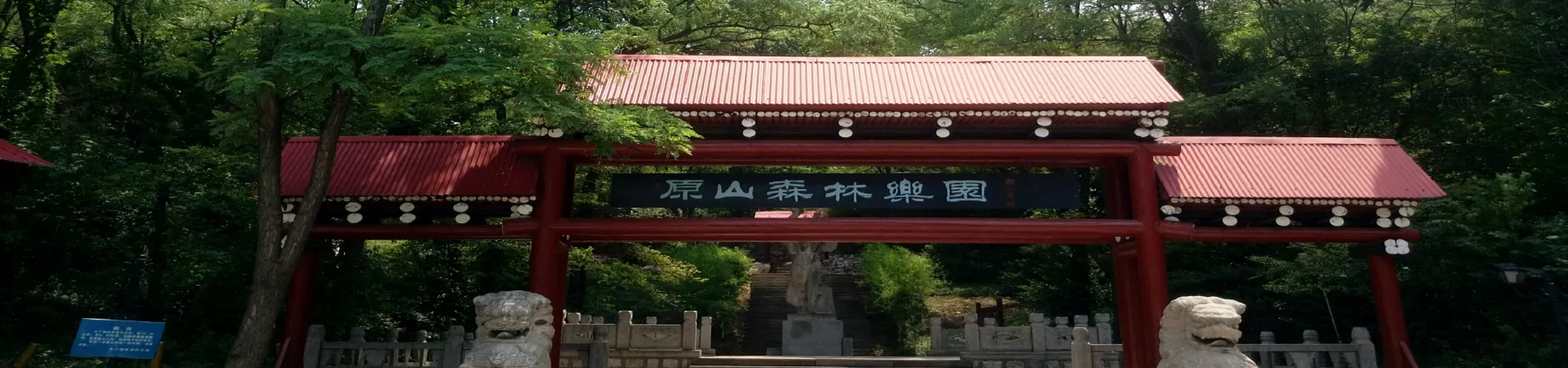
Subtitle: A Comprehensive Guide to Yuanshan National Forest Park, Zibo, China
Introduction
Nestled in the heart of Shandong Province, Yuanshan National Forest Park stands as a premier destination for nature lovers and cultural enthusiasts alike. Officially recognized as a National AAAA Tourist Attraction, a National Key Scenic Spot, one of Shandong's Top Ten New Attractions, and one of the Province's Top Ten Forest Parks, it offers a remarkable blend of natural beauty and historical depth. Encompassing a vast area of 1,702 hectares, the park is a sprawling mosaic of over 120 peaks, divided into five distinct scenic areas: Fenghuang Mountain (Phoenix Mountain), Yuwang Mountain, Wanglu Mountain, Xuejiading, and Jiagutai. Its allure lies in the harmonious combination of lush vegetation, ancient and rare tree species, serene landscapes, dignified historical temples, captivating local legends, and vibrant ethnic minority cultural performances deep within its forests, drawing countless domestic and international visitors year-round.
1. Exploring the Five Scenic Areas
The park's expansive territory is thoughtfully organized into five major zones, each with its own character and highlights.
1.1. Fenghuang Mountain (Phoenix Mountain) Area Often considered the core of the park, this area is renowned for its symbolic namesake and accessible beauty. It features well-maintained hiking trails that lead visitors through dense canopies, offering picturesque views and a sense of tranquil immersion in nature.
1.2. Yuwang Mountain Area Steeped in historical significance, this area is associated with the legendary Emperor Yu, a central figure in Chinese mythology known for taming floods. The landscape here feels ancient and majestic, inviting contemplation of the region's long history.
1.3. Wanglu Mountain Area Translating to "Gaze at Lu Mountain," this area is famed for its panoramic vistas. On clear days, visitors are rewarded with breathtaking, far-reaching views of the surrounding mountain ranges, making it a favorite spot for photography and sightseeing.
1.4. Xuejiading Area This zone offers a more rugged and pristine forest experience. Its trails venture into deeper woodland, appealing to those seeking a quieter, more adventurous hike and closer encounters with the park's diverse ecosystem.
1.5. Jiagutai Area Rich in cultural heritage, Jiagutai is historically significant as the site of an ancient meeting between rival states. It adds a profound historical dimension to the natural visit, with sites that echo stories from China's storied past.
2. Natural Wonders and Ecological Richness
The park's primary draw is its exceptional natural environment, a sanctuary of biodiversity and scenic splendor.
2.1. Flora and Ancient Trees The park is a living botanical garden, home to a rich variety of plant life. Its collection of ancient, peculiar, and precious tree species is particularly notable. Walking among these venerable giants, some hundreds of years old, provides a direct connection to the enduring power of nature.
2.2. Landscapes and Waterscapes Yuanshan is characterized by its "beautiful mountain and water scenery." Rolling forested hills, striking rock formations, and clear streams create a constantly changing tapestry of serene and uplifting views, perfect for relaxation and rejuvenation away from urban life.
2.3. Forest Atmosphere and Ethnic Culture Deep within the forest, the experience is enriched by cultural elements. Performances showcasing the songs and dances of local ethnic minority groups offer a vibrant glimpse into the region's intangible cultural heritage, adding color and rhythm to the peaceful woodland setting.
3. Cultural and Historical Heritage
Beyond its natural assets, the park serves as a custodian of significant cultural relics and folklore.
3.1. Temples and Architectural Sites Scattered throughout the park are several temples and historical structures noted for their simple, robust, and solemn architectural style. These sites, such as those in the Jiagutai area, provide places for quiet reflection and showcase traditional Chinese craftsmanship and spiritual heritage.
3.2. Legends and Historical Narratives The park's history is brought to life through numerous beautiful and enduring local legends. Stories of emperors, ancient meetings, and mythical events are intertwined with specific peaks, stones, and temples, allowing visitors to imagine the past that shaped this landscape.
4. Essential Visitor Information
To ensure a smooth and enjoyable visit, please refer to the following practical details.
4.1. Ticket Information * General Admission: 35 RMB per adult. * Valid Period: This standard rate typically applies from April 22nd to December 31st. * Note: It is always advisable to check for the latest pricing and potential discounts for students, seniors, or children at the official ticketing counters.
4.2. Opening Hours The park is generally open to visitors daily from 8:00 AM to 5:00 PM. Arriving early is recommended to fully enjoy the trails and sights at a leisurely pace.
4.3. Suggested Duration A complete exploration of the park's main attractions requires a minimum of 3 hours. Visitors interested in extensive hiking, detailed photography, or immersing themselves in the cultural sites should plan for a half-day or full-day visit.
4.4. Transportation Guide The most common public transportation route is as follows: 1. Take public bus No. 1 to the Boshan Bus Station. 2. Transfer to bus No. 11, which will take you directly to the entrance of Yuanshan National Forest Park.
4.5. Contact Information For any inquiries prior to your visit, you can contact the park at: 0533-4187724.