Liao Zhai City in Zibo
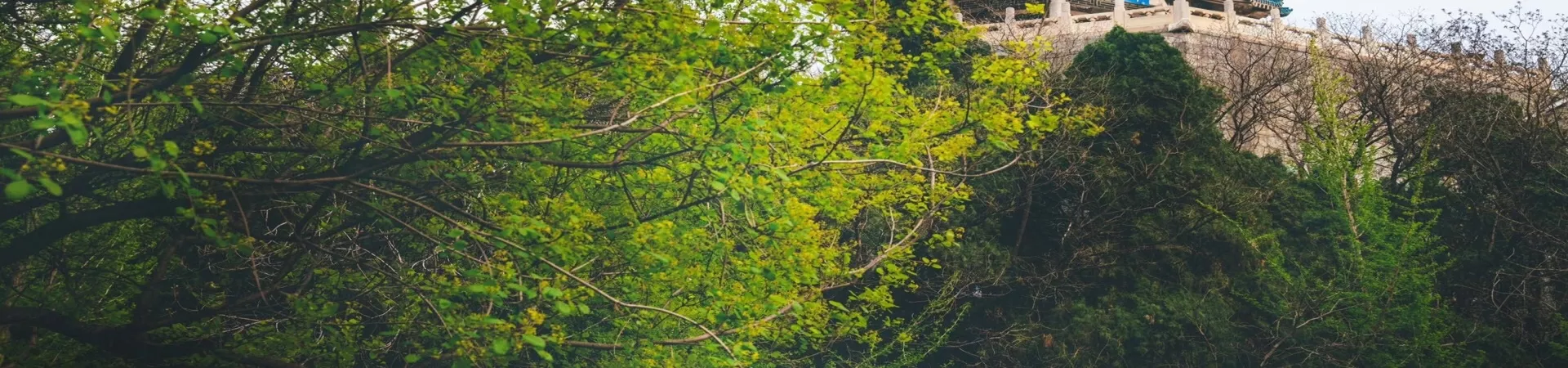
Subtitle: A Journey into the Fantastical: Exploring Zibo's Liaozhai City, the World of Pu Songling
1. Introduction to a Literary Landscape Nestled within the historic village of Pujiazhuang in Zichuan District, Zibo City, Shandong Province, lies Liaozhai City—a unique and expansive theme park that transcends ordinary entertainment. This remarkable destination is not merely a collection of rides and attractions; it is a profound cultural immersion, a physical manifestation of one of China's most treasured literary legacies. Conceived and funded by the local community of Pujiazhuang, the ancestral home of the revered author Pu Songling, Liaozhai City is a large-scale, garden-style scenic area where classical Chinese landscape architecture intertwines with the supernatural narratives from Pu's seminal work, Strange Tales from a Chinese Studio. Recognized as a National AAAA-level Tourist Attraction and counted among Shandong's top five major scenic spots, it stands as a dedicated tribute to the "King of World Short Stories" and a gateway into the rich tapestry of Qing dynasty folklore and social commentary.
2. The Heart of the Experience: Pu Culture and Thematic Design The park's core mission, championed by the淄博聊斋旅游发展有限公司 (Zibo Liaozhai Tourism Development Co., Ltd.) founded by Pu's descendants, is the preservation and promotion of "Pu Culture." This commitment is evident in every meticulously designed corner of the complex. The park is structured as a series of interconnected garden courtyards, pavilions, halls, and landscapes, each serving as a stage for the iconic stories penned by Pu Songling.
2.1. Architectural and Narrative Integration Visitors do not simply observe exhibits; they walk through the tales. The design philosophy uses traditional园林 (Chinese garden) aesthetics as its expressive form, creating an environment of serene beauty that contrasts with and enhances the often eerie, romantic, or moralistic themes of the stories. You might stroll through a moon gate into a courtyard where the fox spirit Xiaoqian might have dwelled, cross a stone bridge over a koi-filled pond reminiscent of a scene from The Painted Skin, or explore a scholar's study akin to Pu's own Liaozhai. This seamless blend of horticultural art and narrative staging allows the fantastical characters—ghosts, fox spirits, deities, and scholars—to feel palpably present, engaging the imagination directly.
2.2. Cultural Activities and Immersion Beyond static scenery, the park frequently hosts live performances, storytelling sessions, and cultural demonstrations that bring the Liaozhai stories to life. Actors in period costume re-enact famous vignettes, traditional music sets the atmosphere, and artisans may demonstrate crafts from Pu's era. This dynamic approach transforms a visit from a sightseeing tour into an experiential journey, offering deep insights into the historical context, social values, and timeless human emotions explored in Pu Songling's work.
3. Essential Visitor Information To ensure a smooth and enjoyable visit to Liaozhai City, practical planning is key. The following details cover access, costs, and timing.
3.1. Admission and Operating Hours * Ticket Price: A standard adult ticket is priced at 80 RMB. This fee grants access to the entire themed garden complex and its regular cultural displays. * Opening Hours: The park is open daily from 08:00 to 17:00. The last admission is at 16:00, so visitors are advised to arrive with sufficient time to explore the extensive grounds comfortably.
3.2. Contact Information For the latest information on special events, performance schedules, or any inquiries, visitors can contact the park directly at 0533-5826666.
4. Navigating Your Journey: Transportation Guide Reaching Liaozhai City in Zibo is straightforward, with several convenient options available.
4.1. By Taxi Taxis offer a direct and flexible mode of transport. In Zibo, the flag-down fare starts at 6 RMB for the first 3 kilometers. Beyond this distance, the meter charges approximately 1.7 RMB per additional kilometer. A small nighttime surcharge of 1 RMB is added to the initial flag-fall fare. A taxi ride from central Zibo or the main railway station to Pujiazhuang is a relatively quick and affordable journey.
4.2. By Public Bus Zibo boasts a well-developed public bus network that efficiently connects various districts. For tourists, several bus lines are particularly useful: * General City Buses: Most urban buses operate from around 6:00 to 21:00, are self-service with a flat fare of 1 RMB. Useful lines for tourists include: * Bus 222: Connects to key city points like the Commercial Bank of Zibo, Zibo Mansions, Huaxia Mall, the Small Commodities Street, and the China Ceramics Museum. * Bus 11: Serves major transport and commercial hubs including Zibo Railway Station, Xinglong Market, People's Market, and the Department Store Building. * Tourist Special Line: * Bus 6: This is Zibo's primary tourist-dedicated bus route, running between Zhangdian District and Linzi District. It makes stops at numerous attractions and facilities valuable to visitors, such as the Shanmu Hotel, the Botanical Garden, the China Ceramics Museum, the Central Hospital, Zibo Hotel, the Bus Hotel, Zhangdian Children's Park, and the Yudai Lake Scenic Area. This line is an excellent, economical choice for visitors looking to combine a trip to Liaozhai City with other notable sites in the area.
5. Exploring the Context: Pujiazhuang Village A visit to Liaozhai City is incomplete without acknowledging its setting. The park is situated within Pujiazhuang, the very village where Pu Songling was born, lived, and wrote his masterpieces. Visitors are encouraged to explore the preserved historical elements of the village itself, which may include Pu's former residence (often a separate but nearby cultural site). This connection to the author's real-world environment adds a powerful layer of authenticity to the experience, bridging the gap between the literary genius's daily life and the immortal, fantastical world he created. The village atmosphere provides a tangible link to the past, making the stories encountered within the theme park feel even more rooted in a rich cultural and historical reality.