Da Dyeing House
Subtitle: A Living Testament to Zibo's Dyeing Heritage: Exploring the Grand Dyehouse
Introduction: Stepping into History Nestled at No. 90 Yinzi Shi Street in Zibo, Shandong, stands the Grand Dyehouse (Da Ran Fang), a site of profound historical and industrial significance. More than just a museum, it is the original location of the Donglaisheng Silk and Cloth Store, established during the Daoguang reign of the Qing Dynasty. This establishment offers visitors a tangible, immersive journey into the sophisticated textile dyeing and trading operations that once thrived here, operations famously dramatized in the acclaimed Chinese television series of the same name, The Grand Dyehouse. The site serves as a meticulously preserved portal, allowing one to walk through the very workshops and courtyards that fueled a commercial empire, bridging the gap between historical fact and cultural narrative.
The Historical and Commercial Legacy Origins and Operations The foundation of the Donglaisheng enterprise in the 19th century marked Zibo's emergence as a pivotal hub in northern China's textile network. The business model, which the site vividly illustrates, was integrated and efficient. The core activity involved procuring raw silk and grey cloth (unbleached, unfinished fabric) from local and regional producers. Within the complex's workshops, these materials underwent a series of meticulous processes—scouring, bleaching, and most importantly, dyeing using traditional techniques and pigments. The transformed, vibrant textiles were then dried, finished, and prepared for distribution. This "procure-process-wholesale" model ensured control over quality and value, turning Donglaisheng into a brand synonymous with reliability and color.
Expansion and Economic Impact The success of the original Zibo operation was staggering. By the Guangxu reign period later in the Qing Dynasty, the company's capital had soared to an impressive 30,000 taels of silver, a testament to its profitability and acumen. This financial strength fueled significant geographical expansion. Following the trade routes of the time, Donglaisheng established branch offices (fenhao) in major commercial centers, including Jinan, Tianjin, and Beijing. This network not only distributed Zibo's dyed goods across northern China but also facilitated the flow of raw materials, market trends, and capital, embedding the Grand Dyehouse deeply into the economic fabric of the era. The site, therefore, represents not just a local workshop but the headquarters of a formidable, multi-regional business concern.
The Visitor Experience: A Multi-Sensory Journey Architectural Layout and Functional Spaces A visit to the Grand Dyehouse is an exploration of Qing-era industrial architecture adapted to commerce. The complex typically features a series of interconnected buildings arranged around courtyards, each serving a specific purpose. Visitors can explore: * The Front Shop (Miantang): Often the first stop, this space re-creates the atmosphere of the original sales area, where finished bolts of silk and cloth were displayed to wholesale buyers. * The Dyeing Workshops: The heart of the operation. Here, one can see replicas (and sometimes original) large dye vats, drying racks, pounding blocks used for fabric beating, and other tools. Informational plaques explain the complex dyeing processes and the natural sources of colors. * The Courtyards and Drying Areas: These open spaces were crucial for drying lengths of fabric after dyeing, a process requiring ample air and light. * Administrative and Residential Quarters: Separate areas highlight where business accounts were managed, negotiations held, and where the merchant family likely resided, offering a glimpse into the social hierarchy of the time.
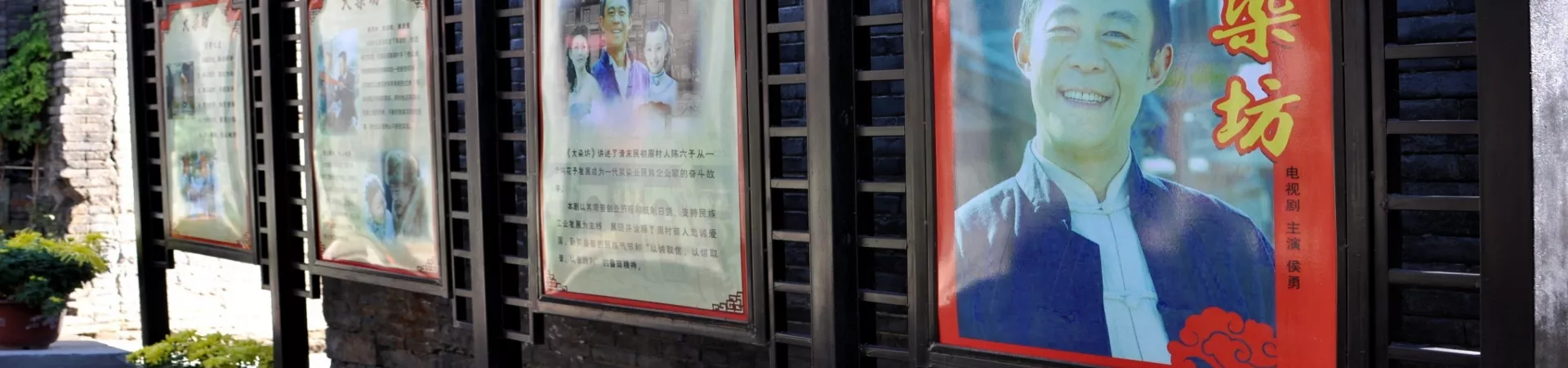
Connecting with Cultural Narrative For fans of the television series, the experience is particularly resonant. The site provides the authentic backdrop against which the fictional story of Chen Shouyi's business struggles and triumphs was set. Walking through the same gates and courtyards, visitors can vividly imagine the bustling activity, the strategic discussions, and the challenges of running such an enterprise, making history feel immediate and personal.
Practical Information for Planning Your Visit Location and Transportation The Grand Dyehouse is conveniently located at 90 Yinzi Shi Street in Zibo's historic district. The most straightforward public transportation option is to take Bus No. 34, which has stops near the attraction. For greater flexibility, taxis or ride-hailing services are widely available in the city.
Admission and Opening Hours * Admission Fee: The entrance ticket is priced at 20 RMB per person. * Operating Schedule: The site is open daily, year-round. Public hours are typically from morning until evening. It is advisable to allocate approximately 1 hour for a thorough, self-paced exploration of all exhibits and courtyards.
Enhancing Your Visit To fully appreciate the context, consider reading a brief synopsis of the The Grand Dyehouse TV series beforehand or watching an episode. Pay close attention to the explanatory signs within the workshops, which detail the technical aspects of traditional dyeing. The surrounding Yinzi Shi Street area itself often retains a period atmosphere, worth a short stroll to complete the historical immersion.
Information last verified: November 16, 2022.