ZIBO Ceramics Museum
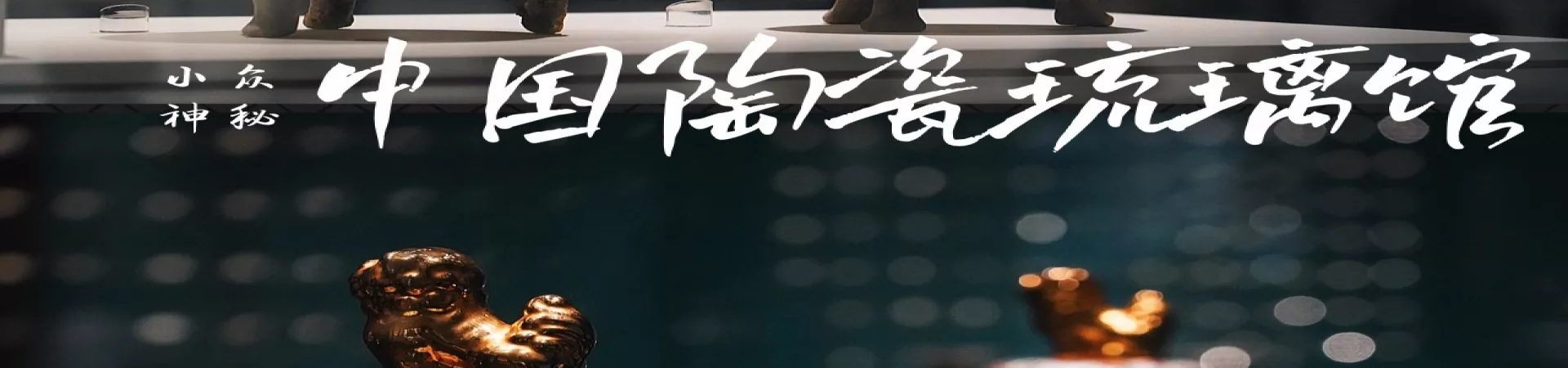
Subtitle: A Journey Through Ten Millennia of Fire and Artistry
1. Introduction to the Museum Nestled in the heart of Zibo, Shandong—a region historically celebrated as a crucial hub of the ancient Silk Road and a cradle of Chinese ceramic arts—the China Ceramic and Glass Museum stands as a monumental tribute to human creativity. It is currently the largest museum in China dedicated exclusively to the intertwined arts of ceramics and glass (liuli). This architectural marvel is not merely a repository of objects; it is a dynamic portal that transports visitors across a staggering timeline of ten thousand years. The museum's vast scale, with a total floor area of 50,000 square meters and 20,000 square meters dedicated to exhibition space, provides a fitting home for its unparalleled collection of over 16,000 exquisite pieces from various eras and cultures around the globe. The design of the museum, spanning five floors above ground and one below, facilitates a logical and immersive journey through the evolution of these crafts.
2. Architectural Layout and Exhibition Structure The museum's interior is intelligently organized into 25 distinct exhibition halls, which are systematically grouped into three primary thematic sections. This structure ensures a comprehensive and educational experience for every visitor.
2.1. The Ceramics Exhibition Wing This section forms the historical backbone of the museum. It chronicles the remarkable journey of Chinese ceramics, from the coarse earthenware of Neolithic times to the sublime elegance of Song dynasty porcelains, and further to the vibrant, export-oriented wares of the Ming and Qing dynasties. The narrative extends beyond China's borders, featuring significant ceramic traditions from other world civilizations. Key highlights include locally excavated ancient pieces from Zibo's kiln sites, which illustrate the region's enduring legacy, alongside iconic examples like celadon, blue-and-white, and famille-rose porcelain.
2.2. The Glass (Liuli) Exhibition Wing Dedicated to the art of glass, or liuli, this wing showcases a breathtaking array of works that highlight both ancient techniques and contemporary innovation. The exhibits demonstrate the transformation of silica and minerals into objects of stunning beauty and complexity. Visitors can admire everything from ancient Chinese "eye beads" and ritual objects to elaborate European stained glass and cutting-edge studio glass sculptures. The section particularly emphasizes Zibo's role as a modern center for liuli production, featuring dazzling contemporary pieces that push the boundaries of form, color, and light.
2.3. The Interactive Cultural Experience Zone Moving from observation to participation, this zone is designed for hands-on engagement. It demystifies the processes behind these ancient arts through interactive displays and workshops. Here, visitors of all ages can appreciate the science of kiln temperatures, the chemistry of glazes, and the painstaking skills required for glass blowing and casting. Utilizing the latest technologies in sound, light, electro-mechanical systems, and immersive imagery, this area offers a multi-sensory, multi-angle, and three-dimensional understanding of the crafts, making the history tangible and accessible.
3. Essential Visitor Information To ensure a smooth and enjoyable visit, please take note of the following practical details regarding access, timing, and facilities.
3.1. Admission and Hours Admission to the China Ceramic and Glass Museum is free of charge for all visitors. Entry is granted upon presentation of a valid personal ID card (such as a Chinese national ID or passport) for registration at the entrance. The museum operates from 9:00 AM to 5:00 PM, with the last admission at 4:30 PM. These hours are in effect from Tuesday to Sunday throughout the year. The museum is closed every Monday, except for national statutory holidays. Special extended hours may apply during major holidays; for instance, during the Labor Day holiday period, the museum may remain open until 9:00 PM.
3.2. Transportation and Accessibility The museum is conveniently located and accessible by public bus. Several bus routes serve the area: * Take bus number 136 and alight at the "Cultural Center West Station" stop. From there, it is approximately a 300-meter walk to the museum entrance. * Bus number 160 stops at the "Huiyi Tools Company (City Library)" stop, requiring an about 800-meter walk to the museum. * Bus number 7 stops at the "Municipal Government First Office Building" stop, from which the museum is roughly a 1,500-meter walk. Visitors driving to the museum will find parking facilities available on-site.
3.3. Facilities and Amenities The museum is equipped to cater to a wide range of visitor needs. Facilities include clean restrooms, a cloakroom, a museum gift shop offering curated reproductions and crafts, and a café for refreshments. The venue is designed to be accessible, with elevators and ramps ensuring that all exhibition areas are reachable for visitors with mobility challenges. Multilingual information placards or audio guide services are recommended to be checked for availability at the information desk upon arrival to enhance the international visitor's experience.
4. The Deeper Cultural Significance Beyond its impressive collection, the museum serves as a vital cultural institution that contextualizes Zibo's central role in global material culture. For millennia, Zibo's kilns have been at the forefront of technological and artistic innovation in ceramics. This museum positions that local history within a worldwide narrative, drawing connections between different cultures that discovered the magic of transforming earth and sand into art. It is a place for inspiration, education, and reflection—where the silent dialogue between a Neolithic pot and a modern glass installation speaks volumes about human ingenuity, aesthetic pursuit, and the timeless desire to capture beauty in solid form. A visit here is not just a tour of artifacts; it is an essential chapter in understanding the artistic soul of Shandong and China's enduring gift to world civilization.
Information last updated: April 27, 2023. Credit and thanks to contributors from Mafengwo Shandong, Riverside Oak Forest, and Quancheng Xiaowei for their editorial input.