Boshan Scenic Resort
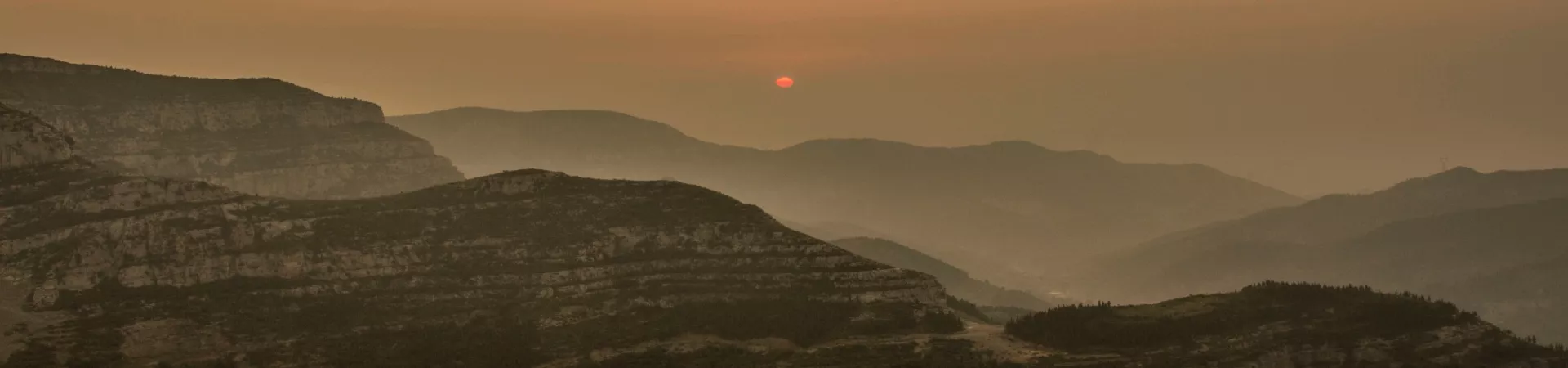
Subtitle: A Comprehensive Guide to Zibo's Premier National Scenic Area
1. Introduction to Boshan Scenic Area Nestled within the Boshan District of Zibo City, Shandong Province, the Boshan Scenic Area stands as a crown jewel of natural and cultural heritage in northern China. Its significance was formally recognized on May 17, 2002, when the State Council of China elevated it from a provincial to a National Scenic Area, a designation that underscores its outstanding landscape value, ecological importance, and historical depth. This prestigious status marks it as a protected site of national interest, ensuring the conservation of its unique resources for future generations. The area is not a single monolithic park but a vast, interconnected tapestry of natural wonders, encompassing seven distinct and captivating core scenic zones. Each of these zones—Lushan, Shimen, Qiaolingqian, Yuanshan, Baishi Cave, Wuyang Mountain, and Kaiyuan Karst Cave—offers a unique character and set of attractions, together forming a comprehensive destination that caters to a wide range of interests, from serene mountain hikes and botanical exploration to profound historical journeys and subterranean adventures.
2. The Seven Core Scenic Zones 2.1. Lushan Mountain Scenic Area Often referred to as the "Skyward Peak of Central Shandong," Lushan is the highest mountain within the Boshan range and serves as a central ecological lung. The area is celebrated for its majestic peaks, deep, tranquil forests, and unusually clear alpine air. Visitors traverse winding paths through dense pine and cypress forests, encountering ancient temples nestled on cliffsides and breathtaking vistas from summits that offer panoramic views of the surrounding landscape. It is a premier destination for hiking, photography, and spiritual retreat, embodying the classic Chinese aesthetic of harmonious interaction between mountain and forest.
2.2. Shimen Scenic Area This area derives its name, meaning "Stone Gate," from its striking natural rock formations that resemble monumental gateways. Shimen is characterized by its dramatic granite landscapes, featuring peculiar rock pillars, narrow gorges, and precipitous cliffs shaped by millennia of erosion. The interplay of light and shadow on these colossal stones creates a dynamic, ever-changing spectacle. It's a paradise for geology enthusiasts and those seeking to appreciate the powerful sculptural forces of nature. Trails here often involve exciting ascents and passages through natural stone arches, providing a sense of adventure.
2.3. Qiaolingqian Scenic Area Qiaolingqian offers a more pastoral and culturally infused experience. The landscape here seamlessly blends gentle water features with wooded hills. A key highlight is its network of streams, small waterfalls, and tranquil pools, which create a refreshing and picturesque environment. The area is dotted with historical relics, including remnants of ancient pathways, stone inscriptions, and traditional architecture that speak to the region's long history of human habitation and appreciation for natural beauty. It's an ideal spot for family outings, leisurely walks, and cultural contemplation amidst a soothing aquatic setting.
2.4. Yuanshan (Original Mountain) National Forest Park As a designated National Forest Park within the greater scenic area, Yuanshan emphasizes biodiversity conservation and forest ecology. It boasts extensive, well-preserved secondary forests that are home to a variety of plant and animal species. The park features developed ecological trails, botanical gardens, and viewpoints designed for environmental education and low-impact recreation. The famous Qi Great Wall ruins, a section of the ancient border fortifications from the Qi State period (1046–221 BC), are located here, adding a layer of profound historical gravity to the lush green surroundings.
2.5. Baishi Cave (White Stone Cave) Scenic Area This zone is centered around a serene ancient temple complex built into a cliff face, adjacent to a cave from which it draws its name. The area is renowned for its collection of ancient trees, some of which are hundreds of years old, creating a solemn and shaded atmosphere. The temple itself, with its traditional halls and courtyards clinging to the rock, is a site of quiet reverence and architectural interest. The combination of religious culture, ancient botany, and the cool microclimate around the cave makes Baishi Cave a place for peaceful reflection and escape from the summer heat.
2.6. Wuyang Mountain Scenic Area Wuyang Mountain is steeped in Taoist and Buddhist cultural traditions. The mountain is adorned with several historically significant temples and hermitages that have been centers of religious practice for centuries. The ascent is as much a spiritual pilgrimage as a physical one, with stone steps leading past quiet shrines, meditation niches, and inscribed sutras on rock faces. The summit rewards climbers with not only magnificent views but also a palpable sense of tranquility and historical continuity, connecting the natural form of the mountain with centuries of philosophical and spiritual pursuit.
2.7. Kaiyuan Karst Cave Scenic Area This attraction unveils the stunning underground world beneath Boshan. Kaiyuan Karst Cave is a magnificent limestone cave system adorned with a spectacular array of stalactites, stalagmites, stone curtains, and flowstones in myriad shapes and colors, all illuminated to enhance their ethereal beauty. The cave's interior maintains a constant, cool temperature year-round. A well-constructed walking path guides visitors through grand halls and narrow passages, past formations named for their resemblance to mythical creatures, palaces, and natural objects, offering a fascinating journey into the geological history of the region.
3. Practical Visitor Information To ensure a smooth and enjoyable visit, please note the following practical details. The scenic area's general contact number is +86 533 7866655. This line can be used for general inquiries, though specific questions about a particular sub-scenic zone may be better directed to local management offices whose details can often be found on official websites or travel platforms.
Regarding opening hours, it is crucial for potential visitors to understand that operational schedules, including opening and closing times for the overall area and its individual constituent parks, can be subject to change. These changes may be due to seasonal adjustments (e.g., longer hours in summer, shorter in winter), weather conditions, maintenance requirements, or special events. Therefore, the most reliable practice is to verify the exact operating status on your intended day of visit. We strongly recommend checking the latest announcements on official tourism websites, contacting the information number provided above shortly before your trip, or confirming with your hotel concierge or a local tour operator.
4. Experience and Exploration A visit to the Boshan National Scenic Area is an immersive experience that engages all the senses. The crisp mountain air, the scent of pine forests, the sound of trickling streams and birdsong, and the visual feast of rugged peaks, deep caves, and historical sites combine to create a profound connection with nature and history. The area's composition allows for diverse itineraries: a dedicated traveler could spend days exploring different zones, while a time-limited visitor can select one or two areas that best match their interests, be it rigorous hiking on Lushan, cultural exploration on Wuyang Mountain, or the underground wonders of Kaiyuan Cave. The infrastructure, including walking paths, signage, and rest areas, is continually developed to enhance accessibility and comfort while preserving the area's natural integrity. Whether seeking adventure, tranquility, photographic opportunities, or historical insight, Boshan offers a rich, layered, and authentically captivating destination within the Shandong region.