Linzi Museum of Chinese Ancient Cars
Subtitle: A Journey Through Millennia of Chinese Transportation Ingenuity
1. Introduction: Where History is Unearthed Nestled upon the archaeological site of the Houli Culture, the Linzi Chinese Ancient Chariot Museum in Zibo, Shandong Province, stands as a pioneering institution in China's cultural landscape. It holds the distinction of being the nation's first museum to systematically and comprehensively integrate an in-situ chariot and horse burial pit with extensive artifact exhibitions. This unique synthesis offers an unparalleled, immersive journey into the evolution of Chinese wheeled transport. The museum serves as the definitive repository of research on ancient Chinese vehicles, masterfully showcasing the profound history of Chinese chariots and carriages and underscoring the pioneering role Chinese craftsmanship played in the global narrative of vehicular development.
2. Exploring the Museum's Core Exhibits The museum's layout is thoughtfully designed to guide visitors from grand archaeological discoveries to intricate artifacts, building a complete picture of ancient Chinese engineering and social customs.
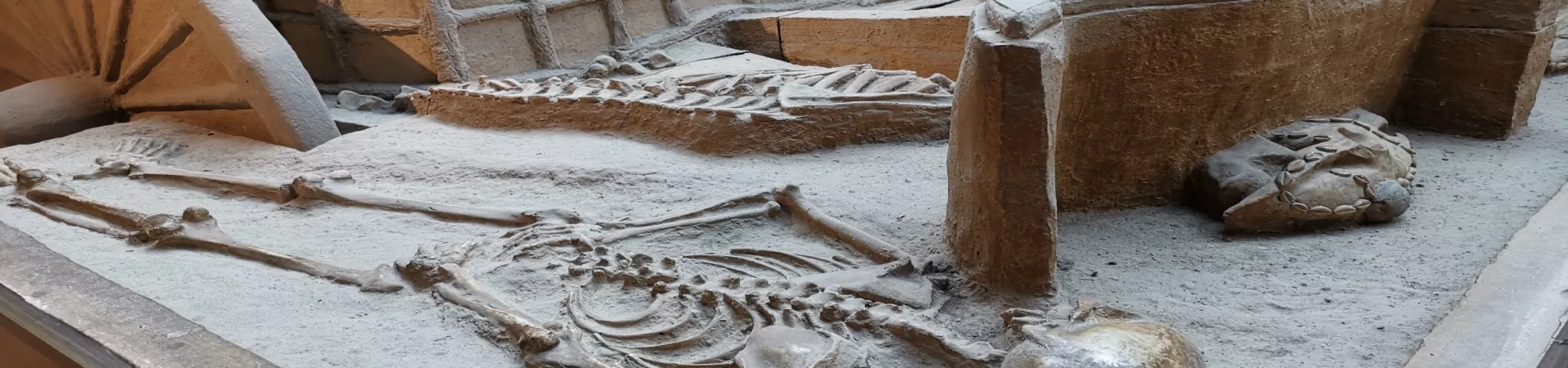
2.1. The Spectacular In-Situ Chariot Pit The undeniable centerpiece of the museum is the original excavation site of chariot and horse sacrificial pits from the Spring and Autumn Period (770-476 BC). Visitors descend to an observation platform that overlooks this breathtaking archaeological find. The sight of numerous chariots and horse skeletons arranged in a deliberate, orderly manner is both awe-inspiring and solemn. This pit is not merely a display of ancient vehicles; it is a direct window into the ritual practices, military power, and social hierarchy of the era, where chariots were symbols of prestige and formidable instruments of war.
2.2. The Systematic Artifact Collection Complementing the raw power of the excavation site are meticulously curated exhibition halls. These halls house a vast collection of relics, models, and dioramas that trace the chariot's evolution across different dynasties.
2.2.1. Evolution of Design and Function The exhibits detail the technological advancements in chariot construction, from the early solid-wheeled carts of the Shang Dynasty to the sophisticated, spoked-wheel chariots of later periods. Displays explain the development of key components like the yoke, axle, and carriage body. Furthermore, the museum distinguishes between the various functions of vehicles, showcasing differences between heavy war chariots, lightweight hunting chariots, and ornate carriages used for ceremony and travel by nobility.
2.2.2. Harnessing Power: The Horse and Equine Equipment A significant section is dedicated to the horses themselves—the engines of the ancient world. Exhibits feature an array of equine trappings, including intricately designed bits, bridles, cheekpieces, and decorative ornaments made from bronze, bone, and shell. These artifacts highlight the sophistication of ancient animal husbandry and tack, illustrating how control and efficiency in transportation were progressively refined.
3. Global Context and Technological Legacy One of the museum's most compelling narratives is its placement of Chinese innovation within world history. Through comparative timelines and models, it presents compelling evidence for the independent invention and advanced state of Chinese vehicular technology. The exhibits argue convincingly for China's leading position in developing shaft-and-yoke harnessing techniques and efficient chariot designs, contributions that significantly influenced transportation across Eurasia. This section transforms the museum from a local collection into a venue of global historical significance.
4. Practical Visitor Information To facilitate a smooth and informed visit, please note the following essential details regarding access and scheduling.
4.1. Admission Fees The museum operates on a tiered admission system: * General Admission: 30 RMB per adult. * Free Admission: The following visitors, upon presenting valid identification, are eligible for free entry: * Seniors aged 60 and above. * Retired veterans, active-duty military personnel (including retired army officers), and individuals with disabilities. * Minors under the age of 18 and full-time students pursuing undergraduate degrees or lower. * Note: Organized group visits by students from primary schools to universities are generally exempt from fees. Special rates for other tourist groups may apply based on prior arrangements.
4.2. Operating Hours The museum is open to the public from 8:30 AM to 5:00 PM, Tuesday through Sunday. Last ticket sales and final entry are at 4:30 PM. * Important Closure: The museum is closed every Monday unless the Monday falls on a national statutory holiday. Visitors are advised to plan their trip accordingly to avoid disappointment.
(Information last updated: July 2023)