Zhumadian Museum
A Visitor's Guide to Zhumadian Museum
Nestled in the heart of Zhumadian City, Henan Province, the Zhumadian Museum stands as a cultural beacon, offering a profound journey through the region's rich and layered history. More than just a repository of artifacts, it serves as a narrative space where the past dialogues with the present, telling the story of a land that has been a cradle of civilization and a crossroads of cultures for millennia. For any traveler seeking to understand the soul of this part of Central China, a visit to this museum is an indispensable and enlightening experience.
Planning Your Visit
- Opening Hours: The museum is open to the public from 9:00 AM to 4:30 PM, Tuesday through Sunday. It remains closed on Mondays (except for national holidays) for maintenance. These hours are consistent throughout the year.
- Suggested Duration: To fully appreciate the exhibitions without haste, allocate approximately 1 to 3 hours for your visit. This allows sufficient time to engage with the major displays and key artifacts.
- Admission: Typically, public museums like Zhumadian Museum offer free entry, but it is always advisable to confirm the latest admission policy upon arrival or by contacting them in advance.
- Contact Information: For any inquiries regarding special exhibitions, group visits, or accessibility services, you can reach the museum at +86-396-2606557.
Getting There
Zhumadian is well-connected by rail, and the museum is conveniently accessible from the city's main transportation hub. * By Public Bus: From Zhumadian Railway Station, you can take Bus Route 6. The specific stop for the museum will be indicated on the bus route; it is recommended to inform the driver or conductor of your destination to ensure you alight at the correct location. * By Taxi or Ride-Hailing: Taxis and ride-hailing services (like DiDi) are widely available in the city. Simply provide the driver with the museum's name ("Zhumadian Shi Bowuguan") for a direct and hassle-free journey.
Exploring the Exhibitions: A Journey Through Time
The museum's collection is thoughtfully curated across multiple galleries, each dedicated to a specific historical period or thematic aspect of Zhumadian's heritage.
1. The Ancient Foundations: From Prehistory to Early Kingdoms This section forms the cornerstone of the museum, delving deep into the area's earliest human activity. * Paleolithic and Neolithic Relics: Encounter stone tools, pottery fragments, and evidence of early settlements that illustrate the transition from nomadic hunter-gatherer societies to stable agricultural communities along the banks of local rivers. * The Bronze Age Glory: Zhumadian was part of the sphere of influence of early Chinese dynasties and neighboring states. This subsection showcases exquisite bronze vessels, weapons, and ritual objects. The intricate designs and inscriptions on these items speak volumes about the advanced metallurgy, social hierarchy, and spiritual beliefs of the time. * Key Archaeological Sites: Models, maps, and photographs highlight important local sites, helping visitors contextualize the artifacts within their original geographical and archaeological settings.
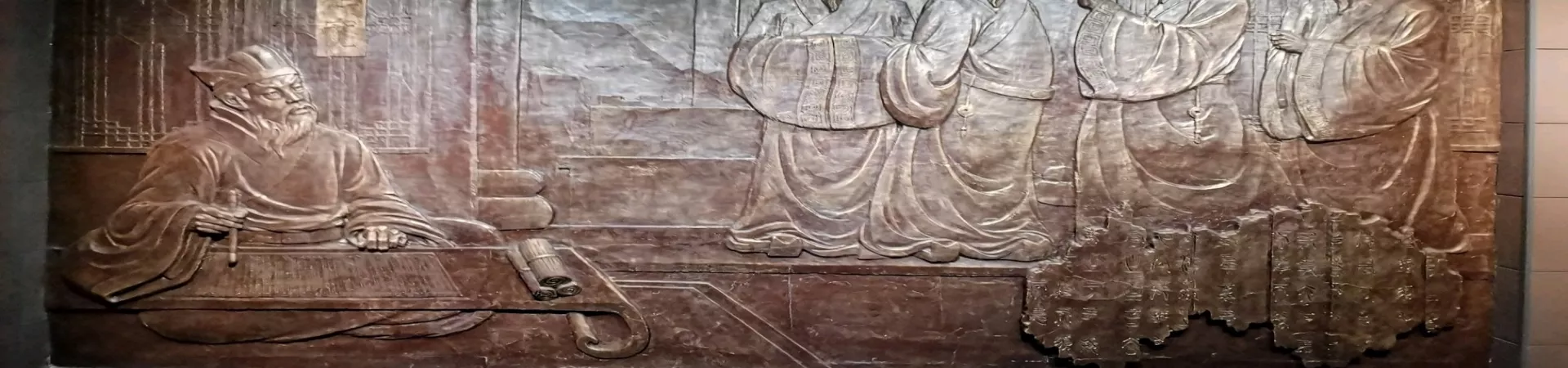
2. The Flourishing Cultural Tapestry: Imperial Eras As Chinese civilization consolidated under successive empires, Zhumadian continued to thrive as an agricultural and cultural center. * Han Dynasty Elegance: A particularly strong collection features artifacts from the Han Dynasty (206 BCE – 220 CE), including finely crafted pottery tomb figures (mingqi), architectural models, and everyday utensils. These items reflect beliefs in the afterlife, daily life, and the prosperity of the period. * Ceramics and Trade: Displays of celadon, painted pottery, and later porcelain pieces trace the evolution of ceramic technology and aesthetic tastes. Some artifacts also hint at the region's connections to broader trade networks. * Steles and Inscriptions: Several stone steles bearing carved inscriptions are housed here. These are invaluable historical documents, recording local events, edicts, and genealogies, offering direct textual insight into past administrations and social structures.
3. Folk Traditions and Intangible Heritage Moving beyond political history, this gallery celebrates the living culture of the Zhumadian region. * Traditional Crafts: Exhibits may feature examples of local embroidery, textile weaving, paper-cutting, or folk painting, showcasing the artistic ingenuity passed down through generations. * Festivals and Customs: Through dioramas, multimedia presentations, and ceremonial objects, the museum introduces visitors to unique local festivals, traditional wedding customs, and other social rituals that define the community's identity. * Opera and Performance: Artifacts related to local opera forms, such as costumes, musical instruments, and scripts, highlight the region's performing arts traditions.
4. Modern History and Regional Development The final main section bridges the historical past with the recent memory of the city and its people. * Late Imperial and Republican Period: This part addresses the region's experiences in the 19th and early 20th centuries, possibly featuring documents, photographs, and personal effects from the era. * Zhumadian in Contemporary Times: The exhibition concludes by outlining the city's modern transformation, its economic development, and its current role within Henan Province and China at large. This provides a cohesive narrative arc from ancient times to the present day.
Enhancing Your Experience
- Guided Tours: Check at the information desk for the availability of scheduled guided tours or audio guides. A knowledgeable guide can provide deeper context and point out details you might otherwise miss.
- Architecture and Ambiance: Take a moment to appreciate the museum building itself. Its architecture often incorporates design elements inspired by local history or traditional aesthetics, creating a harmonious environment for the collections.
- Visitor Facilities: The museum typically houses a gift shop where you can purchase souvenirs and books, as well as rest areas and clean restroom facilities.
A trip to the Zhumadian Museum is more than a simple sightseeing activity; it is an immersive educational encounter. It allows you to walk through thousands of years of history, witnessing the resilience, creativity, and evolving identity of the region. Each artifact, from a humble pottery shard to an ornate bronze tripod, is a piece of a larger puzzle, coming together to form a comprehensive and captivating portrait of Zhumadian.