Zhugou Revolutionary Martyrs Cemetery
Subtitle: A Journey Through History: Honoring the Fallen at Zhugou Revolutionary Martyrs Cemetery
1. Introduction: The Sacred Ground of Zhugou
Nestled in the heart of Zhugou Town, Queshan County, within the city of Zhumadian, Henan Province, lies a site of profound historical reverence and solemn beauty—the Zhugou Revolutionary Martyrs Cemetery. More than just a memorial park, this hallowed ground stands as a permanent testament to the courage, sacrifice, and unwavering revolutionary spirit of the heroes who shaped modern China. Often referred to as the "Little Yan'an" of Central China, the Zhugou area served as a crucial base during the War of Resistance against Japanese Aggression and the subsequent Chinese Civil War. The cemetery, therefore, is not merely a collection of monuments but the spiritual core of a region steeped in struggle and resilience. It functions as a pivotal national base for patriotic education, drawing visitors from across the country to reflect, learn, and pay their respects amidst its serene and dignified landscape.
2. Historical Significance: The "Little Yan'an" Legacy
2.1. A Strategic Revolutionary Base The paramount importance of the Zhugou Revolutionary Martyrs Cemetery is inextricably linked to the region's historical role. During the late 1930s and through the 1940s, Zhugou became the epicenter of revolutionary activity in Central China. Following the outbreak of the full-scale War of Resistance against Japan, the Central Committee of the Communist Party of China established the Central Plains Bureau here. It served as the logistical and command hub for the New Fourth Army, directing guerrilla warfare and mobilizing the masses against Japanese forces. The area's complex topography provided a natural fortress, allowing revolutionary institutions, training schools, and arsenals to operate. This period cemented Zhugou's reputation as a bastion of resistance and a beacon of hope, earning its enduring nickname.
2.2. Commemorating the Sacrifice The cemetery was specifically established to honor those who gave their lives during this turbulent era. It is the final resting place for hundreds of martyrs who fell in pivotal battles and operations, including many who perished during the strategic shifts and breakthroughs undertaken by the New Fourth Army's Fifth Division and other units. These soldiers and local partisans made the ultimate sacrifice for the cause of national liberation and independence. The site, therefore, encapsulates a critical chapter in China's revolutionary narrative, preserving the memory of individual and collective valor that defined the struggle for a new nation.
3. Site Layout and Key Memorial Structures
The cemetery is meticulously planned, blending solemn memorial architecture with tranquil natural surroundings to foster an atmosphere of contemplation and respect.
3.1. The Monumental Gateway and Ascending Path The visit typically begins at the imposing main gate, which sets a dignified tone. A long, straight walkway lined with lush cypress and pine trees—symbols of longevity and steadfastness—guides visitors inward. This ascending path serves as a physical and metaphorical journey from the present into the reflective space of history, preparing one for the monuments ahead.
3.2. The Central Revolutionary Martyrs Monument Dominating the core of the cemetery is the majestic Revolutionary Martyrs Monument. This towering structure, often inscribed with powerful calligraphy, serves as the focal point for remembrance ceremonies. Its sheer scale and elegant design command reverence, symbolizing the lofty spirit and immortal contributions of the martyrs. The base is frequently used for wreath-laying ceremonies, especially on commemorative days like Qingming Festival.
3.3. The Martyrs' Cemetery and Memorial Hall 3.3.1. The Final Resting Place Behind the main monument lies the serene martyrs' cemetery itself. Rows upon rows of uniform tombstones, each marking the grave of a known or unknown soldier, create a powerful visual impact. The orderly simplicity of this section underscores the scale of sacrifice and invites quiet, personal reflection before each name.
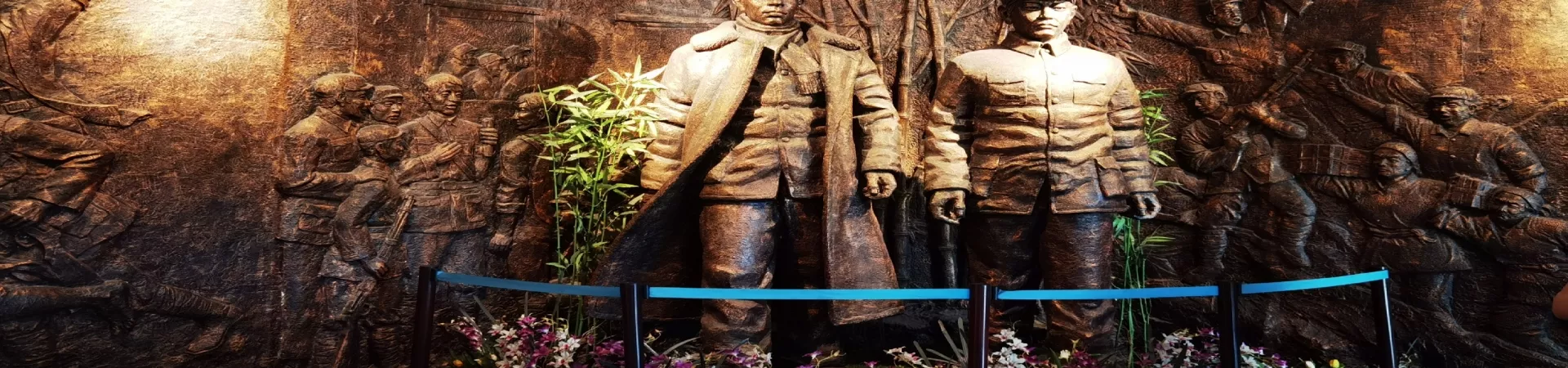
3.3.2. The Repository of History: The Memorial Hall Adjacent to the graves is the indispensable Zhugou Revolutionary Memorial Hall. This museum is the narrative heart of the site. * Exhibition Themes: Its exhibits are systematically organized into sections detailing the historical background of the revolutionary base, the major military campaigns, the daily life and struggles of soldiers and civilians, and biographies of prominent martyrs and leaders associated with Zhugou. * Artifacts and Displays: The halls contain a rich collection of historical artifacts, including worn military uniforms, rusting weapons, personal letters, photographs, and documents. Dioramas, maps, and multimedia presentations vividly recreate the challenging conditions and strategic importance of the base, making the history tangible for visitors of all ages.
4. The Visitor Experience: Education and Remembrance
4.1. A Living Classroom for Patriotism The Zhugou Revolutionary Martyrs Cemetery is designed as an immersive educational experience. For student groups, Party members, and military personnel, visits are often structured as thematic educational activities. Guided tours contextualize the site within the broader national history, emphasizing themes of patriotism, sacrifice, and the hard-won nature of peace and development. It is a place where textbook history comes alive, fostering a deep sense of national identity and historical responsibility.
4.2. A Space for Personal Contemplation For individual visitors, the site offers a peaceful retreat for introspection. The contrast between the quiet, green landscapes—carefully maintained with lawns, flower beds, and evergreen trees—and the solemnity of the monuments creates a conducive environment for honoring the past. It is a place to ponder the cost of freedom and the values of dedication and collective effort.
4.3. Ceremonial and Commemorative Functions Throughout the year, the cemetery serves as the central venue for official commemorative events. Memorial Day activities, pre-holiday tributes, and oath-taking ceremonies for new Party members are regularly held here. The ritual of presenting flower baskets at the monument is a poignant act of collective memory, linking generations to their shared history.
In essence, the Zhugou Revolutionary Martyrs Cemetery transcends its function as a memorial. It is a sacred historical landscape, a vital educational resource, and a enduring symbol of the spirit that forged a nation. Every pathway, monument, and exhibit silently narrates stories of extraordinary courage, ensuring that the legacy of the martyrs of Zhugou continues to inspire and guide future generations.