Liang Zhu's Hometown
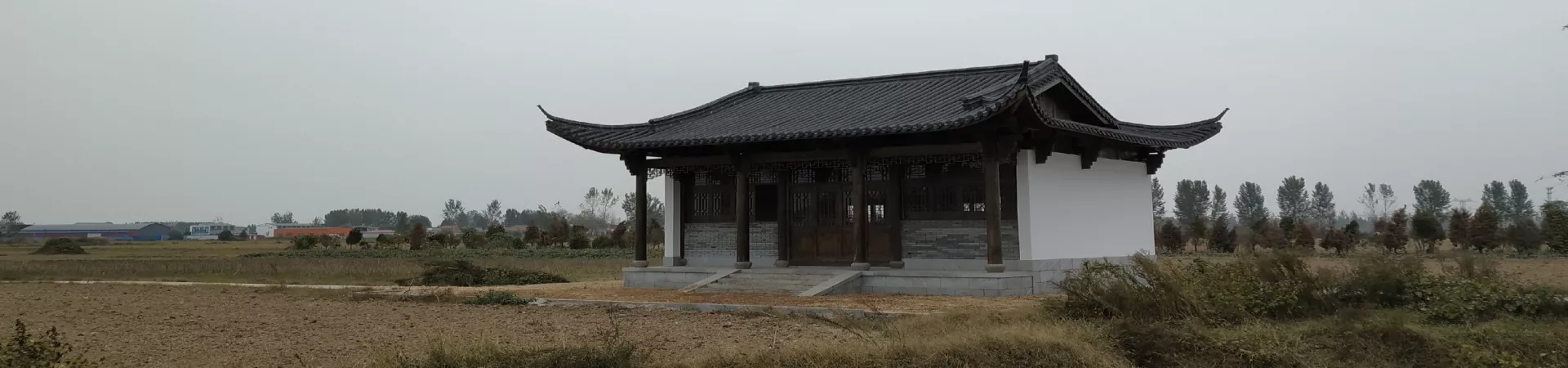
Subtitle: A Journey into the Legendary Love Story of Liang Shanbo and Zhu Yingtai
1. Introduction: The Cradle of a Timeless Romance
Nestled within the ancient lands of Zhumadian City in Henan Province, China, lies a place where history and folklore intertwine to create a landscape of enduring love. This is Liangzhu Hometown, the widely recognized spiritual and cultural epicenter of China's most beloved tragic romance, the legend of Liang Shanbo and Zhu Yingtai. More than just a geographical location, it is a pilgrimage site for those moved by the story's themes of love, loyalty, and defiance against rigid social conventions. The area, primarily encompassing Zhumadian's Yicheng District and surrounding counties, is imbued with relics, reconstructed sites, and a living cultural atmosphere that transforms the ancient ballad into a tangible, immersive experience. Visiting Liangzhu Hometown is not merely a tour; it is an emotional journey into the heart of a narrative that has shaped Chinese artistic expression for centuries, offering a profound understanding of why this tale continues to resonate so deeply.
2. The Heart of the Legend: Core Sites and Cultural Landmarks
2.1. The Liangzhu Tomb (Liang Zhu Mu) The most poignant and sacred site within the region is undoubtedly the Liangzhu Tomb, located in Zhumadian's Yicheng District. This twin burial mound is the physical anchor of the legend, believed to be the final resting place of the star-crossed lovers. According to the tale, after Zhu Yingtai's forced marriage to another, her procession passed by Liang Shanbo's grave. A sudden storm halted the procession, and Yingtai seized the moment to descend and mourn at the tomb. In a miraculous climax, the tomb split open, and she leaped inside to join her beloved, after which two butterflies emerged—symbolizing their eternal union. Today, visitors can pay their respects at the serene tomb complex, which often features commemorative arches, stone inscriptions, and statues depicting the lovers' transformation. The site serves as a powerful focal point for reflection on the story's tragic beauty.
2.2. The Liangzhu Cultural Park & Museum To fully contextualize the legend, the Liangzhu Cultural Park or dedicated museum halls in the area are essential visits. These modern facilities are designed to educate and enchant visitors through multi-media exhibitions, detailed historical panels, and artistic installations. * Exhibition of Narrative Evolution: They trace the legend's development from its earliest recorded versions in the Tang Dynasty through its various adaptations in local operas, folk songs, and traditional storytelling. * Artifact and Folk Art Display: Exhibits often include ancient artifacts excavated from the region, intricate butterfly-themed folk art, and costumes from renowned Yue Opera and other regional opera performances of The Butterfly Lovers. * Cultural Activities: The park may host live performances of opera excerpts, traditional music concerts, and seasonal festivals that bring the ancient story to life, allowing visitors to hear the music and see the dances that have carried this story through generations.
2.3. Zhu Yingtai's Hometown & Related Sites Beyond the tomb, the landscape is dotted with sites connected to the narrative. While specific locations are often blends of historical tradition and later commemoration, they enrich the visitor's spatial understanding of the tale. * Zhu Yingtai's Former Residence: A reconstructed or preserved compound that purports to be the home of the Zhu family. It typically showcases the architecture and domestic life of a scholarly family from that historical period, offering insights into the environment that produced such a courageous and learned young woman. * The Ancient Study Hall (Shuyuan): This site represents the academy where Zhu Yingtai, disguised as a young man, first met and studied with Liang Shanbo. It highlights the theme of intellectual companionship as the foundation of their deep bond. * The Eighteen-Mile Farewell Pavilion: A commemorative pavilion marking the location where Zhu Yingtai, still in her male disguise, bid farewell to Liang Shanbo. During this long farewell, she used poetic metaphors to hint at her true identity, a scene famously depicted in operas and literature.
3. The Legend in Context: Historical Roots and Cultural Impact
3.1. Historical Veracity and Folkloric Development While the tale is considered a legend, it is widely believed to have roots in real individuals from the Eastern Jin Dynasty period. Local chronicles and folk traditions in Zhumadian have persistently identified the area as the setting for the story's events. The legend's power lies in its folkloric evolution; it was not created by a single author but was shaped and refined by countless storytellers, musicians, and writers over 1,600 years. This process ensured the story reflected universal human emotions and social critiques—particularly regarding feudal restrictions on women's freedom and marriage—making it a timeless piece of social commentary.
3.2. The Butterfly as an Enduring Symbol The metamorphosis of the lovers into butterflies is the legend's defining symbolic image. In Chinese culture, butterflies represent undying love, joy, and transformation. This powerful symbol transcends the story's tragedy, offering a message of hope, spiritual freedom, and ultimate union. The butterfly motif is ubiquitous in Liangzhu Hometown, from architectural details and garden designs to souvenirs and local crafts, constantly reminding visitors of the story's beautiful, transcendent conclusion.
4. Practical Guide for the Modern Visitor
4.1. Planning Your Visit The best times to visit are during spring (April-May) and autumn (September-October), when the weather in Henan is mild and pleasant. Spring holds special significance as the season when butterflies emerge, directly connecting to the legend's imagery. The annual Liangzhu Cultural Tourism Festival, if timed correctly, can be a highlight featuring grand opera performances and cultural events.
4.2. Experiential Activities To move beyond passive sightseeing, engage in these immersive activities: * Attend a Live Opera Performance: Experiencing a segment of The Butterfly Lovers Yue Opera, known for its elegant and emotional style, is unforgettable. The haunting melody of the Violin Concerto "Butterfly Lovers" is also frequently played onsite. * Explore Local Crafts: Seek out handcrafted souvenirs such as butterfly-shaped porcelain, paper-cuts, or embroideries, which support local artisans and provide a meaningful memento. * Participate in Folk Customs: During certain festivals, visitors might witness or participate in local customs related to love and marriage blessings, inspired by the legend.
4.3. Connectivity and Broader Itinerary Liangzhu Hometown in Zhumadian is well-connected by road and rail to major cities like Zhengzhou. It can be effectively combined with visits to other significant cultural sites in Henan Province, such as the Shaolin Temple (the birthplace of Kung Fu), the ancient capital of Luoyang with its Longmen Grottoes, or the historic city of Kaifeng. This allows for a rich travel experience that balances legendary romance with other pillars of Chinese history and culture.