Boshan Lake Scenic Area
Subtitle: A Comprehensive Guide to Bosh Lake Scenic Area: Nature's Masterpiece in Zhumadian
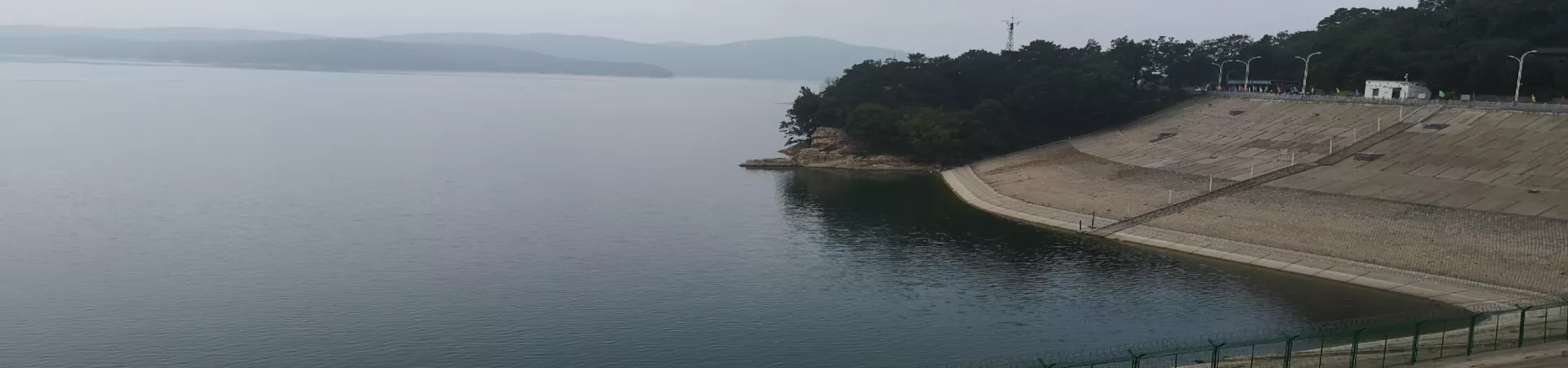
1. Introduction to Bosh Lake Scenic Area Nestled approximately 40 kilometers south of Zhumadian City in Henan Province, the Bosh Lake Scenic Area stands as a pristine and captivating destination for travelers seeking a serene escape into nature. Often poetically referred to as 'Dragon Lake' due to its long,蜿蜒曲折 (wān yán qū zhé) meandering shape that stretches nearly 40 kilometers from west to east—resembling a majestic dragon chasing a pearl—the lake is the centerpiece of this vast natural haven. The area seamlessly blends expansive water vistas with lush, protected forests, creating a landscape of breathtaking beauty where misty lake waters merge with the sky at the horizon.
The scenic area is strategically located, boasting excellent accessibility. It is situated east of the Beijing-Zhuhai Expressway and the Beijing-Guangzhou Railway, and lies adjacent to the National Highway 107, making it a convenient getaway for visitors from across the region. The core scenic zone encompasses an impressive 88 square kilometers, while the broader protected area extends to 150 square kilometers. A remarkable 92% of this land is covered by dense forest, ensuring fresh air, rich biodiversity, and a profound sense of tranquility.
2. Planning Your Visit: Essential Information 2.1. Opening Hours and Admission The Bosh Lake Scenic Area is open to visitors year-round. The operational hours are from 8:00 AM to 6:00 PM, Monday through Sunday. It is advisable to plan your arrival to make the most of the daylight hours, especially if you intend to engage in activities like boating or hiking. The standard admission fee for the scenic area is set at 40元 (RMB 40). This ticket typically grants access to the core lake viewing areas and designated park grounds. Visitors should check for any potential updates on pricing or special policies for holidays before their trip, and note that additional fees may apply for specific activities or boat tours within the park.
2.2. Suggested Duration To fully appreciate the scenic beauty and partake in a couple of leisurely activities, a visit lasting between 1 to 3 hours is generally recommended. This timeframe allows for a relaxed stroll along the lakeshore, photography sessions to capture the panoramic views, and perhaps a short boat ride. For enthusiasts of hiking, nature photography, or those simply wishing to immerse themselves in the peaceful environment for a picnic, allocating the full 3 hours or even more would be ideal.
3. Getting There: Transportation Guide The scenic area's proximity to major transportation arteries makes it highly accessible, particularly for self-drive tours. Here is a detailed breakdown of driving routes from various major cities in Henan and surrounding provinces:
3.1. From Northern and Central Henan (Zhengzhou, Anyang, Jiaozuo, Xuchang, Luohe, Xinxiang, Zhoukou, Kaifeng) Take the Beijing-Zhuhai Expressway (G4) southbound. Exit at the Queshan County interchange. Proceed into Queshan county town, then head south for approximately 20 kilometers. You will arrive directly at the Bosh Lake Scenic Area. Note for visitors from Luohe: You may also opt to take National Highway 107 directly; the lake is located just 2 kilometers west of this highway.
3.2. From Western Henan (Luoyang, Jiyuan, Sanmenxia) Begin on the Lianhuo Expressway (G30) or Erguang Expressway (G55), connecting to the Nanyang-Luoyang Expressway (G36) heading east. Continue on G36 until you reach the vicinity of Luohe, then transfer onto the Beijing-Zhuhai Expressway (G4) heading south. Exit at the Queshan County interchange. From Queshan county town, drive south for about 20 kilometers to reach the景区 (jǐng qū) scenic area.
3.3. From Nanyang Start on the Shanghai-Xi'an Expressway (G40), then connect to the Xinyang-Biyang Expressway before merging onto the Beijing-Zhuhai Expressway (G4) heading south. Exit at the Queshan County interchange. Follow the route south from Queshan county town for roughly 20 kilometers to your destination.
3.4. From Xinyang Travel north on the Beijing-Zhuhai Expressway (G4). You have two primary options: either exit at the Minggang interchange, from which the scenic area is easily accessible, or continue slightly further to the Queshan exit. Alternatively, you can take National Highway 107 northbound; the Bosh Lake Scenic Area is situated 2 kilometers west of this highway, making for a straightforward journey.
4. Experiencing Bosh Lake 4.1. The Lake and Landscape The heart of the experience is, undoubtedly, the lake itself. Bosh Lake's vast,烟波浩淼 (yān bō hào miǎo) mist-covered expanse presents a constantly changing vista. Visitors can enjoy boat tours that navigate its calm waters, offering unique perspectives of the surrounding forested hills and the dramatic, dragon-like contour of the shoreline. The water is clear and clean, reflecting the sky and clouds to create a perfect symmetry. The sense of space and openness is profound, making it an excellent spot for meditation, painting, or simply relaxing while listening to the gentle lap of water against the shore.
4.2. Forest Trails and Biodiversity With a forest覆盖率 (fù gài lǜ) coverage rate of 92%, the area is a paradise for nature lovers. Well-maintained trails wind through the woods, inviting visitors for peaceful hikes. The dense canopy provides shade and a habitat for various bird species, making it a pleasant location for birdwatching. The air is notably fresh and fragrant with the scent of pine and earth. Different seasons paint the forest in varying palettes—lush green in spring and summer, vibrant hues in autumn, and a serene, quiet beauty in winter.
4.3. Leisure and Recreation Beyond sightseeing, Bosh Lake is designed as a holistic休闲胜地 (xiū xián shèng dì) leisure resort. Families and groups can find suitable spots for lakeside picnics. Fishing enthusiasts may find designated areas to enjoy their pastime. The tranquil environment is also perfect for photography, with sunrise and sunset over the lake being particularly spectacular moments. The combination of water and mountain scenery provides a classic Chinese landscape aesthetic that is both calming and inspiring.