Yakou Village
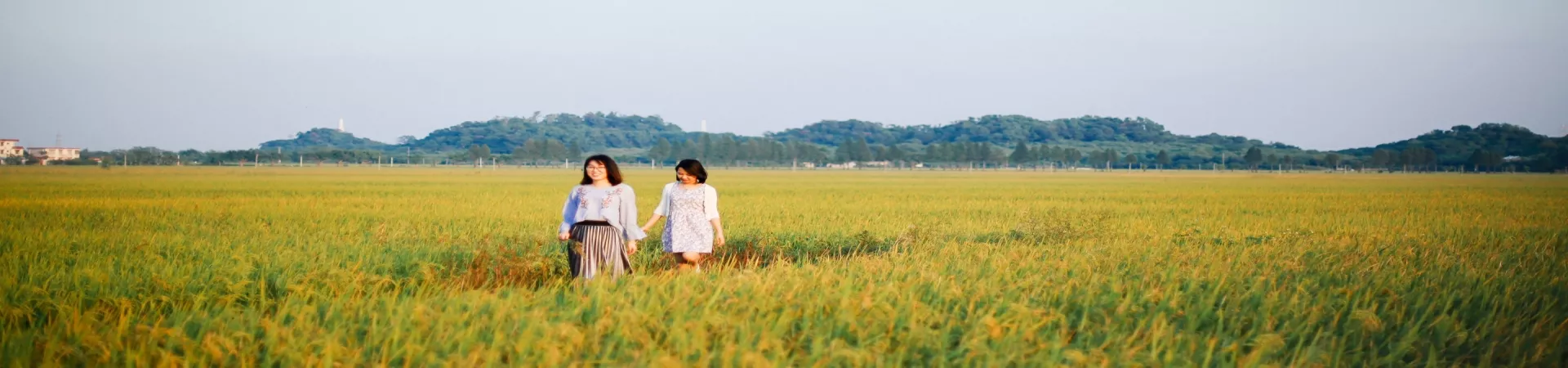
Subtitle: A Coastal Haven of Culture, Cuisine, and Tranquility in Zhongshan
Introduction: The Allure of Yiakou Village Nestled along the southeastern coast of Zhongshan City in Guangdong Province, Yiakou Village has earned a reputation as a must-visit destination for those seeking an authentic and multifaceted experience away from the urban bustle. Often romantically compared to the fabled "Peach Blossom Spring" – a Chinese literary symbol of an idyllic, hidden paradise – Yiakou presents a harmonious blend of natural coastal beauty, rich cultural heritage, and vibrant local life. It is a place where the rhythms of the sea dictate the pace, where history whispers from ancient temples and revolutionary sites, and where the air is perpetually fragrant with the promise of a fresh seafood feast. A visit here is not merely a sightseeing trip but an immersion into a serene and flavorful corner of the Pearl River Delta.
Section 1: The Natural Canvas: Coastline, Wetlands, and Serenity 1.1. The Enchanting Nanlang Coastline The village's most immediate charm lies in its stunning access to what is celebrated as the most beautiful coastline in the Nanlang area. Here, visitors can stroll along the seawall, breathe in the fresh, salty air, and witness breathtaking vistas of the South China Sea. The scene is particularly magical at sunrise and sunset when the sky paints the water and traditional fishing boats with hues of orange and pink. It's a perfect spot for photography, quiet contemplation, or simply enjoying the vast, open horizon.
1.2. The Ecological Treasure: Mangrove Wetlands Adjacent to the vibrant human settlement lies a vital ecological sanctuary: the Red Tree Mangrove Wetlands. This protected area serves as a crucial habitat for diverse bird species and marine life. A walk along the boardwalks through these tranquil wetlands offers a stark, peaceful contrast to the lively seafood street. It's an opportunity to observe the intricate root systems of the mangroves and appreciate the delicate balance of this coastal ecosystem, which acts as a natural protector against erosion and a nursery for fish.
Section 2: A Tapestry of Culture and History 2.1. Spiritual Harmony: The Jiyi Temple Complex For a touch of spiritual and architectural heritage, the Jiyi Temple Complex provides a profound sense of peace. This cluster of temples, set against a backdrop of lush greenery, represents a place of worship and community gathering. The intricate traditional Chinese architecture, the scent of incense, and the serene atmosphere allow visitors to glimpse into the local spiritual practices and find a moment of quiet reflection amidst their explorations.
2.2. Echoes of the Past: Revolutionary Historical Sites Yiakou Village also holds significance in modern Chinese history, featuring several well-preserved Red Revolution sites. These locations offer a tangible connection to the revolutionary period, providing historical context and insight into the area's role during those transformative years. They stand as silent monuments to the past, adding a layer of historical depth to the village's otherwise pastoral and culinary fame.
2.3. Living Heritage: The Yiakou Floating Colors Exhibition Hall A unique cultural gem of the village is the Yiakou Floating Colors Exhibition Hall. "Floating Colors" (Piaose) is a traditional Lingnan folk performance art, often part of temple fairs and celebrations, where costumed children are ingeniously positioned on elaborate floats to depict mythological or historical scenes. The exhibition hall is dedicated to preserving and showcasing this intangible cultural heritage, displaying exquisite costumes, props, and historical photographs. It offers visitors a fascinating window into a vibrant local tradition that continues to be a source of community pride.
Section 3: The Culinary Heart: A Feast for the Senses 3.1. The Legendary Seafood Street No account of Yiakou is complete without dedicating significant attention to its culinary prowess. The village is famed for its bustling Seafood Street, a lively promenade lined with numerous family-run restaurants. The principle here is sublime simplicity: extreme freshness. Patrons can often select their dinner directly from tanks or displays filled with the day's catch – fish, shrimp, crabs, clams, and shellfish of all kinds. The seafood is typically prepared using classic Cantonese methods like steaming, stir-frying, or boiling in congee, allowing the natural, sweet flavors of the ocean to take center stage. Dining here, especially in the open air as the evening sets in, is a quintessential and unforgettable Yiakou experience.
3.2. The Local Icon: Yiakou Wontons Beyond the seafood extravaganza, Yiakou boasts its own signature dish: Yiakou Wontons. These are not your average wontons. Known for their exceptionally thin, almost translucent wrappers and a flavorful, well-seasoned filling (usually pork or shrimp), they are a point of local pride. Served in a clear, savory broth and often garnished with thin strips of egg or spring onions, a bowl of Yiakou Wontons represents the soul of local comfort food. No visit is truly fulfilled without tasting this delicate and delicious specialty.
Practical Information for Visitors * Suggested Duration: To fully appreciate the coastal scenery, explore the cultural sites, and enjoy a leisurely seafood meal, planning for 1 to 3 hours is advisable, though many find themselves staying longer to soak in the relaxed atmosphere. * Admission: Access to Yiakou Village, its coastline, and main public areas is free of charge. Individual attractions like the exhibition hall or specific temple donations may have separate, minimal fees. * Opening Hours: The village is open to visitors all day, every day of the year. Note that while the public spaces are always accessible, operating hours for specific restaurants, the exhibition hall, and temples will vary. The Seafood Street is most vibrant from late afternoon through evening. * Getting There: Yiakou Village is easily reachable by car or taxi from downtown Zhongshan or from neighboring cities like Zhuhai. Ample parking is available near the main village entrance and along the seawall area.