Xiangshan Commercial Culture Museum
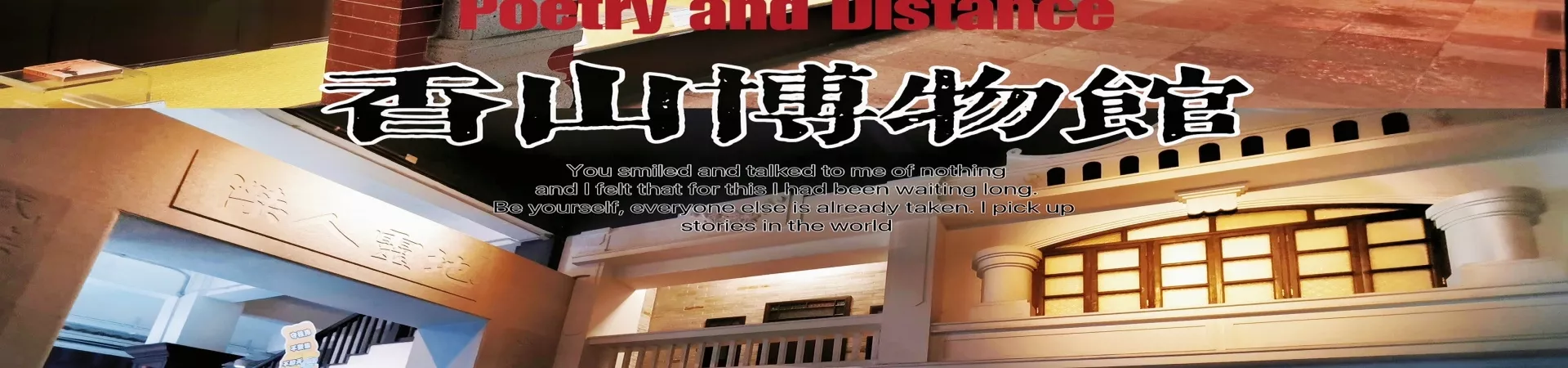
Subtitle: A Journey Through Zhongshan's Mercantile Heritage
1. Introduction Nestled within the historic heart of Zhongshan city, the Xiangshan Commercial Culture Museum stands as a dedicated testament to the region's vibrant mercantile past. Operating as a branch of the Zhongshan Museum, this specialized institution is housed within a building of significant historical value—the former site of the Shiqi Town General Chamber of Commerce, constructed in the 1940s. The museum itself is an artifact, seamlessly blending Chinese and Western architectural elements in its facade, hinting at the cultural synthesis that characterized the era it explores. Across its three floors, the museum presents a compelling narrative of Zhongshan's economic evolution and the unique business culture that flourished from the late Qing Dynasty through the Republican period, brought to life through a curated collection of over 400 artifacts and sets.
2. Historical Context and Architectural Significance 2.1. The Building: A Symbol of an Era The choice of location is integral to the museum's story. The original Chamber of Commerce building was more than just an office; it was a hub of economic activity, negotiation, and community leadership during a transformative period in Chinese history. Its architecture, a harmonious fusion of Western structural styles with traditional Chinese decorative motifs, physically embodies the era of openness and international exchange that influenced local commerce. This stylistic blend reflects the pragmatic yet adaptive spirit of Zhongshan's merchants, who were among the first in China to engage extensively with global trade networks.
2.2. Zhongshan's Mercantile Legacy The museum's core mission is to illuminate why this region became a cradle for commercial innovation. Zhongshan (historically known as Xiangshan) is the hometown of numerous pioneering figures, most notably Dr. Sun Yat-sen. Its geographical position near the Pearl River Delta made it a natural gateway for maritime trade. The exhibits trace how local entrepreneurs, often starting as emigrants, established vast trading networks spanning Southeast Asia and beyond, funneling goods, ideas, and capital back to their homeland. This created a distinctive commercial culture characterized by pragmatism, trust-based partnerships, and a strong sense of native-place loyalty, elements that are meticulously detailed within the galleries.
3. Exhibition Highlights and Thematic Galleries 3.1. Ground Floor: Foundations of Trade The journey begins with an introduction to the fundamental elements of late imperial and early Republican commerce. Displays feature traditional weighing instruments, abacuses, and period advertisements that outline the basic mechanics of business. A key section is dedicated to the various guilds and associations that regulated trade and provided social support, highlighting how commerce was deeply embedded in the social fabric. The replica of a period shopfront offers a tangible glimpse into the retail environment of the time.
3.2. Second Floor: Industries and Innovations This level delves into the specific industries that propelled Zhongshan's economy. 3.2.1. The Rice Trade: As a staple commodity, the rice trade's logistics, storage, and distribution are explored, showcasing tools and documents that managed this critical supply chain. 3.2.2. Banking and Finance: Exhibits on early native banks (qianzhuang) and remittance houses illustrate the financial ingenuity that supported long-distance trade, including ledgers, seals, and early currency. 3.2.3. Emerging Industries: Attention is given to the rise of new sectors influenced by foreign contact, such as department stores, modernized printing for advertising, and the trade in luxury goods.
3.3. Third Floor: Social Impact and Cultural Exchange The uppermost floor expands the narrative to explore the broader societal consequences of this commercial fervor. 3.3.1. The Returned Overseas Chinese: A significant exhibit focuses on the huaqiao (overseas Chinese) who returned with wealth and new ideas, funding infrastructure, schools, and charitable institutions, thereby reshaping Zhongshan's urban and social landscape. 3.3.2. Lifestyle and Consumption: Through household items, fashion, photographs, and personal effects, the museum illustrates how growing prosperity altered daily life, tastes, and social customs. 3.3.3. Legacy of Commercial Thought: The final sections connect this historical commercial culture to the reformist and revolutionary ideas that emerged from the region, underscoring the link between economic openness and social progress.
4. Visitor Information 4.1. Admission and Hours Admission to the Xiangshan Commercial Culture Museum is free of charge, making it an accessible resource for all visitors. The museum is open from 9:00 AM to 5:00 PM, Tuesday through Sunday, with last entry permitted at 4:30 PM. It is closed to the public on Mondays. These hours are consistent throughout the year.
4.2. Location and Transportation The museum is situated at the former Shiqi Town General Chamber of Commerce building in Zhongshan. The most convenient access via public transportation is the Fengming Road bus stop. Numerous bus routes service this stop, including routes 001, 002, 006, 009, 016, and 017, providing easy connectivity from various parts of the city.
Information last updated: January 5, 2023. Credit and contributions to the cultural tourism platform Wenhua Zhongshan.