Qijiang Park
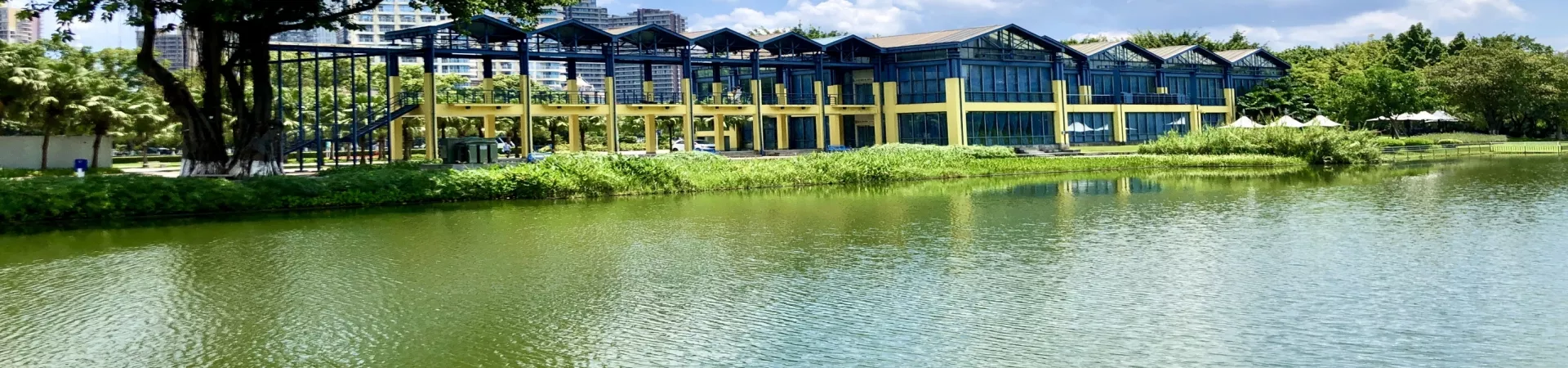
Subtitle: Where Industrial Heritage Meets Modern Art: A Journey Through Zhongshan's Qijiang Park
Introduction: The Phoenix of the Pearl River Delta
Nestled in the heart of Zhongshan city, Guangdong province, Qijiang Park stands as a profound testament to visionary urban regeneration. Far from a conventional green space, this internationally acclaimed park is a living narrative, a masterpiece of landscape architecture born from the bones of a derelict shipyard. It represents a bold and poetic dialogue between a region’s gritty industrial past and its dynamic, artistic present. More than just a park, it is an open-air museum, a sculpture garden, and a cherished public realm where history is not erased but reinterpreted, inviting visitors on a contemplative journey through time, memory, and creative transformation.
I. From Shipyard to Showpiece: A Vision of Transformation
The genesis of Qijiang Park is a story of creative reclamation. The site was once a bustling, state-owned Zhongshan Shipyard, a hub of industry that contributed to the region's economic narrative for decades. As times changed, the shipyard fell silent, leaving behind a landscape of rusting machinery, empty docks, and forgotten structures. Rather than demolishing this heritage, a groundbreaking decision was made: to preserve its soul and reinvent its form.
- The Design Philosophy: Led by the renowned landscape architect Yu Kongjian and his team at Turenscape, the transformation was guided by the principles of ecological sensitivity and historical reverence. The design did not seek to sanitize the past but to celebrate its raw, industrial character through a modern lens. The goal was to "keep the story alive," allowing the site itself to narrate its own history.
- International Acclaim: This innovative approach has not gone unnoticed. The park has garnered multiple prestigious international awards in landscape architecture and design, hailed as a pioneering model for post-industrial site rehabilitation worldwide. It demonstrates how environmental sustainability, cultural preservation, and aesthetic innovation can be seamlessly woven together.
II. Exploring the Landscape: Key Features and Artistic Interventions
Walking through Qijiang Park is an immersive experience. Every path, structure, and installation is part of a curated narrative that connects the past to the present.
The Iconic Relics: Pillars of Memory
- The Dock and Waterfront: The old shipyard dock forms the park's aquatic centerpiece. The preserved, rugged edges of the quay, once used for launching vessels, now frame serene reflections and host leisure boats, creating a striking contrast between function and repose.
- The Skeletal Water Tower and Lighthouse: Perhaps the most photographed symbols of the park, these structures have been stripped back to their essential steel frameworks. No longer holding water or guiding ships, they stand as minimalist sculptures against the sky, elegant monuments to their former utility.
- The Railway Tracks and Gantry Cranes: Meandering railroad tracks, once vital for transporting materials, are now embedded in walkways and grassy lawns. The colossal red gantry cranes, static yet powerful, dominate the skyline. They are left in their original positions, silent guardians of the park, allowing visitors to physically interact with the scale of the shipyard's operations.
Modern Interpretations: Art Dialogues with History
- The Red Boxes (Museum and Café): Scattered across the site are contemporary structures clad in vibrant red steel. These house a fascinating museum detailing the shipyard's history and the park's design, as well as cafes. Their modern form and bold color consciously juxtapose with the grey and rust-toned relics, symbolizing the injection of new life.
- Artistic Reuse of Machinery: Individual machine parts—gears, pistons, hull fragments—have been salvaged, cleaned, and repurposed as standalone sculptures or integrated into functional park furniture. A gear becomes a bench, a steel plate transforms into a shade canopy, constantly reminding visitors of the site's origin.
- Ecological Preservation: The design thoughtfully retained many of the site's native trees and spontaneous vegetation that had grown among the ruins. This existing ecosystem was incorporated into the new layout, creating a layered landscape where wild grasses grow beside polished steel, and mature trees shade historic equipment.
III. Practical Information for Your Visit
- Admission and Opening Hours: One of the park's greatest virtues is its full accessibility. Admission is completely free of charge. The park is open to the public 24 hours a day, every day of the year, allowing for visits at dawn, under the midday sun, or for a romantic evening stroll under the illuminated skeletons of the towers and cranes.
- Suggested Duration: To fully appreciate the architectural details, explore the museum, wander the waterfront, and absorb the atmosphere, a visit of 1 to 3 hours is recommended. The park's relatively flat terrain and interconnected pathways make it an easy and enjoyable walk for visitors of all ages.
- The Visitor Experience: The park serves multiple roles. For tourists, it is a unique cultural attraction. For architecture and design enthusiasts, it is a pilgrimage site. For local residents, it is a beloved backyard for morning tai chi, family picnics, and evening walks. It is a space that encourages both active recreation and quiet reflection, where children play on old rails while adults ponder the passage of time etched in metal and concrete.
In essence, Zhongshan Qijiang Park is more than a destination; it is an experience. It challenges our perception of waste and heritage, beauty and decay. It does not offer the manicured flowerbeds of traditional parks but instead presents a powerful, evocative landscape where every rusted bolt and preserved beam tells a story of labor, innovation, decline, and ultimately, glorious rebirth. It stands as a must-visit landmark for anyone seeking to understand the layered soul of modern Zhongshan and the transformative power of thoughtful design.