Zhenjiang Museum
Subtitle: A Journey Through Millennia: Unveiling the Treasures of Zhenjiang Museum
Introduction: Where History Meets the Landscape
Nestled against the verdant slopes of Yuntai Mountain to the west and overlooking the mighty Yangtze River to the north, the Zhenjiang Museum is far more than a repository of artifacts; it is a historical artifact in itself. Its presence, adjacent to the ancient Xijin Ferry street, creates a powerful triad of natural beauty, architectural heritage, and deep cultural memory. Founded as a museum institution in 1958, the museum's home is a compound of profound historical significance. Constructed in 1890, the five-building complex originally served as one of the earliest British consulates established along China's coasts and rivers. Its distinct East Indian architectural style, featuring arched corridors, red brick walls, and elegant symmetry, stands as a unique testament to a specific period of international exchange. Having weathered over a century, these buildings retain their graceful charm, their terraced layout following the mountain's contour creating a picturesque and harmonious scene. Recognized for its exceptional historical, scientific, and artistic value as a modern architectural relic—both in its unique character and remarkable state of preservation—the site was designated a National Key Cultural Relics Protection Unit by the State Council on November 26, 1996.
Permanent Exhibitions: Windows into Ancient Craftsmanship and Local Culture
The museum's collection is presented through five meticulously curated permanent exhibitions, each offering a focused lens on different aspects of China's artistic and regional heritage.
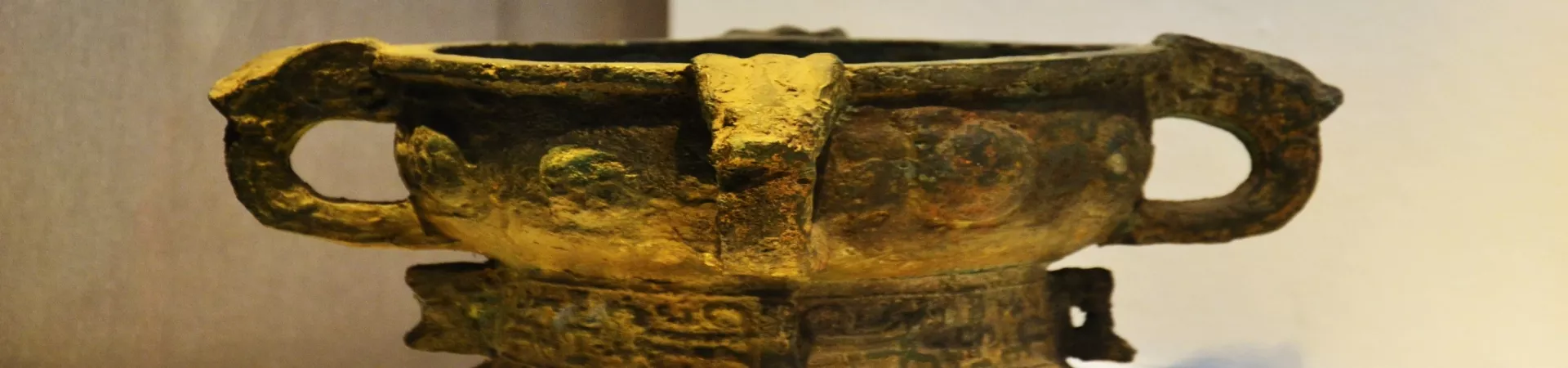
2.1. The Essence of Regional Bronze Culture: The Wu State Treasures The "Exhibition of Exquisite Bronze Ware from the Wu Culture Excavated in Zhenjiang" is a cornerstone of the museum's identity. It showcases the sophisticated metalworking skills of the Wu state, a powerful regional entity during the Spring and Autumn and Warring States periods. The artifacts here, including ritual vessels, weapons, and musical instruments, reveal a distinct regional style that interacted with and contributed to the broader tapestry of Chinese bronze age civilization.
2.2. A Ceramic Chronicle: The Evolution of Form and Glaze The "Exhibition of Exquisite Ceramics from Various Dynasties" provides a sweeping overview of Chinese ceramic history. The collection guides visitors through the technological and aesthetic evolution from the simple elegance of prehistoric pottery to the vibrant glazes of Tang dynasty tri-color wares, the serene monochromes of Song dynasty official kilns, and the elaborate blue-and-white porcelains of the Ming and Qing dynasties, illustrating China's millennia-long mastery of clay and fire.
2.3. The Luster of Precious Metals: Ancient Gold and Silver In the "Exhibition of Exquisite Ancient Gold and Silver Ware," visitors encounter objects of dazzling beauty and intricate craftsmanship. This collection features personal adornments, ceremonial objects, and utilitarian items made for the elite, demonstrating advanced techniques such as filigree, granulation, and gilding. The exquisite detail and luxurious materials speak volumes about the social hierarchy, aesthetic tastes, and technical prowess of past dynasties.
2.4. The Art of Refinement: Mastery in Miscellaneous Crafts Beyond the major categories, the "Exhibition of Exquisite Ancient Arts and Crafts" highlights the breadth of Chinese decorative arts. This exhibition includes finely carved jades, elegant lacquerware, intricate bamboo and ivory carvings, and scholarly accoutrements like inkstones and brush rests. These objects reflect the daily life, intellectual pursuits, and refined sensibilities of China's literati and aristocratic classes.
2.5. The Local Brushstroke: The Jingjiang Painting School Focusing on regional artistic expression, the "Exhibition of Exquisite Paintings and Calligraphy from the Jingjiang School" introduces visitors to a distinctive local painting tradition that flourished during the Qing dynasty. The works of these artists often depicted the local landscapes of Zhenjiang and the Yangtze River, characterized by a vigorous, unadorned style that stood apart from the more orthodox courtly styles of the time.
The Crown Jewels of the Collection: Unmissable Masterpieces
Among the tens of thousands of objects, two are universally celebrated as the museum's signature treasures, each representing a peak of artistic achievement.
3.1. The Bronze Zun with Phoenix Patterns Housed within the bronze exhibition, this magnificent ritual wine vessel is a masterpiece of the Western Zhou dynasty. Its elegant shape is adorned with intricate, highly stylized phoenix patterns. The phoenix, a mythical bird symbolizing auspiciousness and renewal, is rendered with a rhythmic, flowing design that showcases the bronze-caster's exceptional skill in design and casting. It stands as a powerful emblem of the region's ancient cultural sophistication.
3.2. The Gilded Silver "Lunar Oracle" Tortoise and "Analects" Candle Holder This extraordinary object in the gold and silver exhibition is a unique fusion of artistry, function, and intellectual pursuit from the Tang dynasty. It consists of a silver tortoise with a gilded shell, which carries on its back a cylindrical vessel shaped like a candle holder containing inscribed slips. The slips feature quotations from the Analects of Confucius. Used in a sophisticated drinking game, it reflects the Tang dynasty's vibrant social culture, where literary elegance, craftsmanship, and leisure converged in a single, stunning artifact.
Visitor Information: Planning Your Visit
4.1. Location and Accessibility The museum is situated at No. 85, Bo'er Road, Runzhou District, Zhenjiang City, Jiangsu Province. Its prime location makes it easily combinable with a visit to the nearby ancient Xijin Ferry historical street.
4.2. Transportation The most convenient way to reach the museum is by public bus. Several routes stop at the "Xijin Ferry" station, including buses 102, 130, 14, 15, and 29. From the bus stop, the museum is within a short and pleasant walking distance.
4.3. Admission and Hours Admission to the Zhenjiang Museum is free of charge. The museum is open to the public from 9:00 AM to 5:00 PM, Tuesday through Sunday, with the last admission at 4:00 PM. It is closed on Mondays for maintenance. These hours apply throughout the year.
4.4. Suggested Duration and Contact To fully appreciate the architectural site and the diverse collections, a visit of approximately 1 to 3 hours is recommended. For the latest information or specific inquiries, visitors can contact the museum at 0511-85286597 or 0511-85285032.