Xiaokang Plum Garden
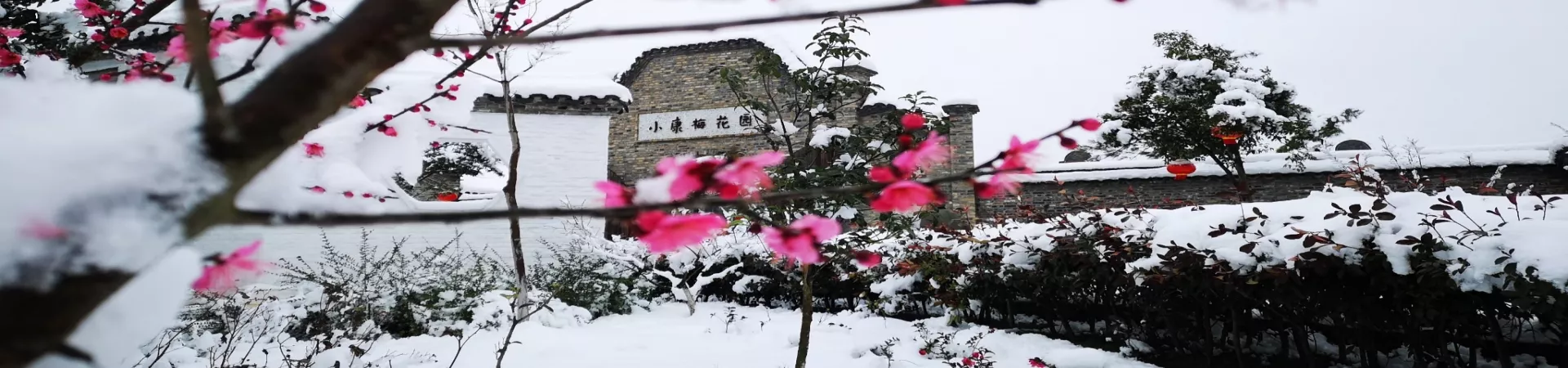
Subtitle: A Guide to Xiaokang Plum Garden: Zhenjiang's Early Spring Sanctuary
Introduction: The Herald of Spring in Jiangnan
Nestled within the rustic charm of Desa Stone Mill Tofu Village in Maoshan Town, Jurong, lies the Xiaokang Plum Garden, a dedicated haven celebrating one of China's most revered floral emblems. Spanning approximately 100 acres, this garden is home to nearly a thousand plum trees representing over thirty distinct varieties. More than just a collection of plants, it is a living tapestry woven with cultural significance and natural beauty, designed to guide visitors through the graceful transition from late winter into spring. The garden's carefully curated landscape offers a profound experience where the aesthetic appreciation of delicate blossoms intertwines with the timeless Chinese virtues of resilience and hope that the plum tree symbolizes.
Section 1: A Botanical Symphony of Blossoms
The true splendor of Xiaokang Plum Garden unfolds in its diverse and thoughtfully arranged collection of plum trees. Each variety contributes its unique character to the garden's extended seasonal performance.
1.1 The Distinguished Varieties The garden is particularly proud of its collection of precious and notable cultivars. The Green Calyx Plum (绿萼梅), renowned for its pure white flowers and jade-green sepals, is granted its own exclusive enclosure, allowing its elegant, understated beauty to be admired in a serene setting. Another remarkable specimen is the towering Weeping Plum (垂枝梅), with branches cascading nearly ten meters like a floral fountain—a rare and majestic sight in any plum garden.
1.2 Seasonal Progression of Color The blooming season orchestrates a gradual shift in hues and forms. As the chill persists, traditional classics like the upright Vermilion Plum (朱砂梅) with its deep red blossoms and the delicate, pale pink Jade Butterfly (玉蝶梅) begin the show. They are followed by the soft pinks of the Palace Powder (宫粉梅) and the distinctive downward-gazing flowers of the Reflection-in-Water Plum (照水梅). The grand finale arrives in late spring with the Beauty Plum (美人梅), a prized hybrid that blankets sections of the garden in a vibrant, romantic pink, often flowering alongside the garden's cherry and pear blossoms, creating a breathtaking, multi-hued panorama that lasts from early February through March.
Section 2: Cultural Roots and Poetic Symbolism
To walk through Xiaokang Plum Garden is to engage with a cornerstone of Chinese cultural heritage. The plum blossom, or meihua, holds a sacred place in the nation's artistic and philosophical consciousness.
2.1 Embodiment of Noble Character The plum tree's very biology—its ability to burst into defiant, fragrant bloom on bare branches against the backdrop of late winter snow—has made it a powerful metaphor. It embodies the ideals of resilience, perseverance, and inner strength. Its "icy bone and jade skin" posture represents purity and the ability to thrive amidst adversity. For millennia, this "first branch under the east wind" has been seen as the courageous herald of renewal, announcing the coming spring and the revival of all life.
2.2 Inspiration for Art and Literature This deep symbolism has fueled centuries of artistic expression. Countless poets have penned verses in its honor, painters have sought to capture its stark beauty on silk and paper, and scholars have admired its unyielding spirit. The garden itself, with its carefully composed vistas, feels like a three-dimensional poem, inviting visitors to contemplate the same virtues that inspired ancient literati. The phrase "How beautiful are the footsteps of the plum, reporting the news of life's spring!" perfectly encapsulates the sense of awe and inspiration the garden aims to evoke.
Section 3: Essential Visitor Information
Planning a visit requires attention to its specific seasonal nature and location.
3.1 Opening Period and Admission The garden's operation is entirely synchronized with the blooming cycle. It is typically open to the public from mid-February to mid-March. Visitors are advised to confirm exact dates closer to their planned travel, as they can slightly shift based on annual weather conditions. The entrance fee is 30 RMB per person.
3.2 Recommended Visit Duration To fully immerse in the tranquility, explore the different themed areas, and enjoy photography, a visit of 1 to 3 hours is recommended. Mornings on weekdays often provide the most peaceful atmosphere.
Section 4: Transportation and Access Guide
Reaching Xiaokang Plum Garden involves a journey into the scenic countryside of Jurong. Here are the primary options:
4.1 By Private Car (Most Convenient) Driving is the most straightforward and flexible method. Visitors can navigate directly by searching for "Xiaokang Plum Garden" or "Desa Stone Mill Tofu Village" in their GPS or mapping app. The village setting offers parking facilities.
4.2 By Public Transportation (Requires Planning) For those relying on public transport, the route requires patience and some transfers. * From Jurong City: The key hub is the Jurong Long-Distance Bus Station. From here, visitors can take a direct bus to Desa Tofu Village. * From Zhenjiang City: Arrive at Zhenjiang Railway Station (serving high-speed trains). From there, take a bus bound for Maoshan. It is crucial to inform the driver or conductor that you wish to alight at Desa Tofu Village (豆腐村), as it is a stop along the route. Note that these bus services may be infrequent. * Important Note: While Jurong has its own high-speed rail station and metro access, these nodes still require a transfer to the Jurong Long-Distance Bus Station to catch the direct bus to the豆腐村. Travelers should allocate extra time for these connections.
The journey, whether by car or bus, leads away from urban centers into a landscape where the timeless beauty of the plum blossom awaits, offering a serene and culturally rich escape.