Looking at a thousand years at a glance
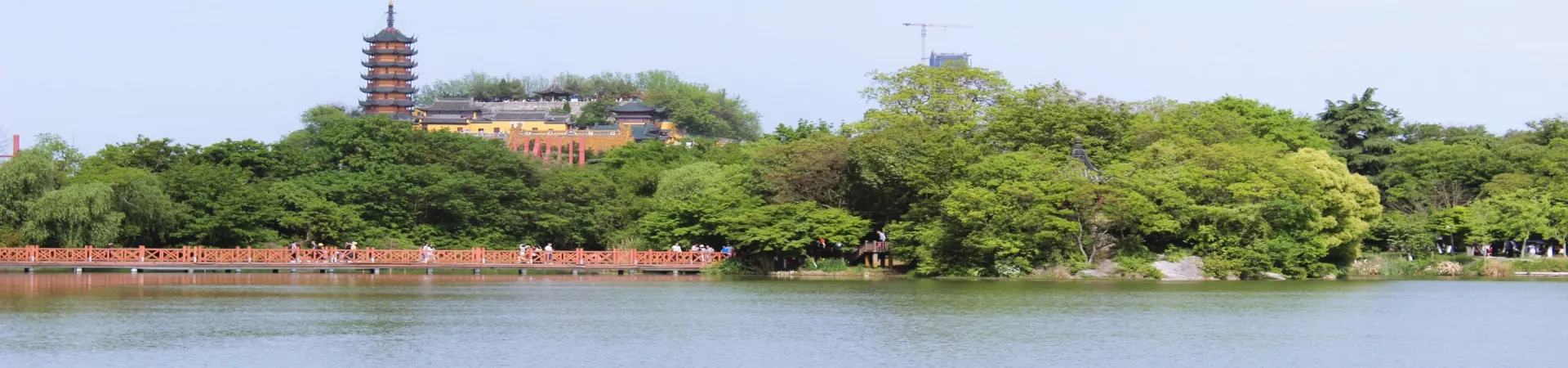
Subtitle: A Journey Through Millennia in a Single Glance
Introduction: Stepping onto the Tapestry of Time
Nestled within the historic city of Zhenjiang, Jiangsu Province, lies a unique and profound testament to China's layered past. It is not a grand palace or a towering pagoda, but a humble yet extraordinary section of ancient roadway. Known evocatively as "A Glimpse of a Millennium," this site offers visitors a tangible, almost intimate, connection to the dynastic cycles that have shaped Chinese civilization. Here, one literally walks upon history, where the strata beneath your feet are not merely geological but chronological, compacting over a thousand years from the Age of the Three Kingdoms through to the Ming and Qing dynasties into a single, visible cross-section. It is an open-air archive, inviting contemplation on the countless footsteps—of soldiers, merchants, scholars, and common folk—that have trodden this same ground across centuries.
1. The Historical and Archaeological Significance
1.1. A Stratigraphic Chronicle The core marvel of "A Glimpse of a Millennium" is its vertical archaeological profile. Through careful excavation and preservation, the site displays a clear, sequential accumulation of road surfaces. Each layer represents a distinct historical period, built upon the remnants of the last. The lowest levels, composed of compacted earth and rudimentary materials, whisper of the turbulent Three Kingdoms period (220-280 AD), a time of warfare and division immortalized in Chinese literature. As your gaze moves upward, the strata evolve, incorporating bricks, stones, and more sophisticated construction techniques, marking the transitions through the Tang Dynasty's cosmopolitan golden age, the Song Dynasty's era of economic and cultural flourishing, and onward.
1.2. Uncovering Daily Life Across Dynasties This site is far more than a study of road construction. It is a window into the socioeconomic pulse of ancient Zhenjiang, a strategically important port on the Yangtze River. Artifacts found within these layers—ranging from pottery shards and copper coins to tools and architectural fragments—serve as silent narrators. They tell stories of daily commerce, cultural exchange, technological progress, and the city's evolving urban landscape. Each stratum holds clues about the people who lived during its time: their habits, their trade, and their connection to the wider world through the vital transportation networks that this very road was a part of.
2. The Visitor Experience: Walking Through History
2.1. Immersive Observation and Interpretation The site is typically presented as a protected archaeological exhibit, often within a museum setting or a specially designed pavilion. Visitors are afforded a close-up view of the towering earth profile, where different colored soils, bricks, and stones are marked and annotated. Informational panels, diagrams, and possibly multimedia displays explain the significance of each layer, translating the physical evidence into a coherent historical narrative. The experience is one of quiet discovery, encouraging visitors to lean in and trace the timeline with their eyes, from the ancient foundations to the more recent surfaces.
2.2. A Unique Perspective on Zhenjiang's Role "A Glimpse of a Millennium" contextualizes Zhenjiang's place in Chinese history. By seeing the physical accumulation of centuries, visitors gain a deep appreciation for the city's enduring strategic and commercial importance. The road itself was a vital artery, likely connecting the bustling river port with administrative centers and hinterlands. Understanding this microcosm of layered history enriches the experience of exploring Zhenjiang's other historical sites, such as Jin Shan or the ancient ferry pier, allowing one to imagine the vibrant, centuries-old flow of life that this simple road sustained.
3. Practical Information for Your Visit
3.1. Location and Access The "A Glimpse of a Millennium" site is a key cultural attraction within Zhenjiang. It is strongly recommended to confirm its precise location within the city's layout, as it may be housed in or near a municipal museum or a designated historical preservation park. Utilizing local maps, tourist information centers, or reliable navigation apps will ensure a smooth visit.
3.2. Admission and Operating Hours * Admission Fee: For the most accurate and current information regarding ticket prices, it is advisable to contact the site or the Zhenjiang tourism information office directly. Details can vary, and there may be discounts for students, seniors, or group visits. * Opening Hours: Public information suggests the site is accessible 24 hours a day, throughout the year. However, for an optimal visit with full access to interpretive materials and possible guided explanations, it is prudent to plan your visit during standard daytime hours. Always verify locally, as access to the protective pavilion or surrounding exhibition area might have specific management hours.
3.3. Planning Your Visit * Suggested Duration: To fully absorb the significance of the site, read the explanatory materials, and reflect on its meaning, allocating between 1 to 3 hours is recommended. This allows for a leisurely pace rather than a hurried glance. * Best Time to Visit: As an indoor or sheltered exhibit, it can be visited in any season. Combining it with a tour of Zhenjiang's other outdoor historical or scenic spots makes for a well-rounded cultural itinerary. * Contact Information: For any specific inquiries prior to your visit, you may use the following contact number: +86-511-8528 8555.