Nanshan National Forest Park
A Visitor's Guide to Nanshan National Forest Park, Zhenjiang
Nestled on the outskirts of Zhenjiang city in Jiangsu province, Nanshan National Forest Park stands as a remarkable testament to China's harmonious blend of natural beauty and profound cultural history. Often celebrated as an "urban forest," this expansive park offers a serene escape from the urban bustle, inviting visitors to explore its lush landscapes, historical relics, and tranquil atmosphere.
A Tapestry of Nature and Culture The park is comprehensively divided into four main scenic areas: Zhaoyin, Bamboo Forest, Lotus Cave, and Wenyuan. This structure allows visitors to experience distinct facets of the park's character, from deep historical seclusion to vibrant natural phenomena.
Natural Splendor Across the Seasons The park's core identity is defined by its breathtaking natural environment. Towering ancient pines and cypresses create a majestic canopy, under which a diverse ecosystem thrives.
- Spring and Summer Symphony: During the warmer months, the forest comes alive with a symphony of sounds—the melodic calls of countless birds, the endless chirping of cicadas, and the gentle, constant gurgle of clear mountain springs. This combination creates a refreshingly cool and vibrant world, perfect for leisurely hikes and contemplation.
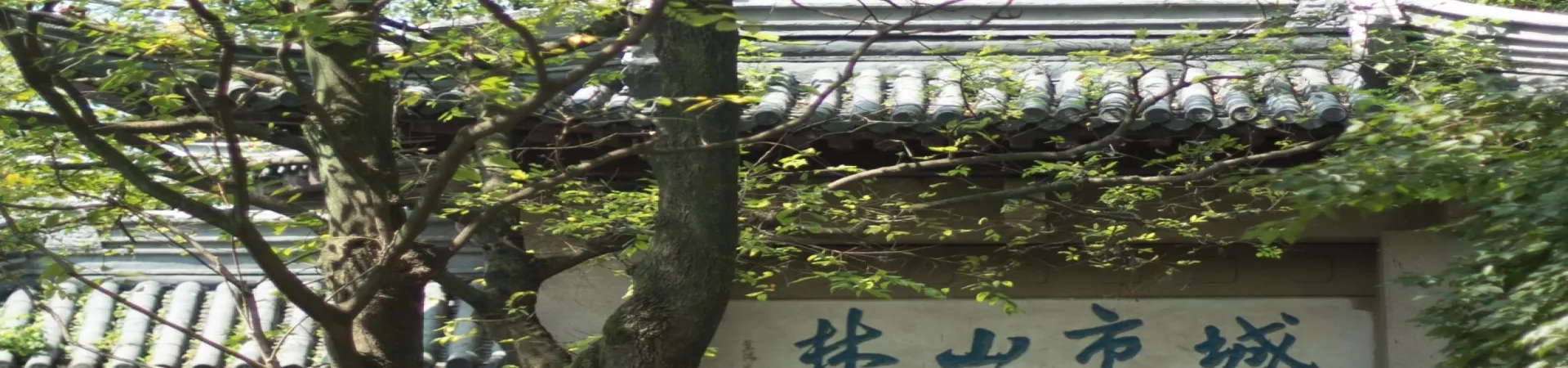
- Autumnal Brilliance: As late autumn arrives, the landscape undergoes a dramatic transformation. The maple leaves, touched by frost, turn a brilliant, fiery red. This spectacular display, set against the deep green of hidden temple roofs and the varied hues of the forest, paints a picture so stunning it has been immortalized in classical poetry and art for centuries. The Song Dynasty master calligrapher and painter Mi Fu aptly encapsulated its essence by dubbing Nanshan a "city mountain forest."
Historical and Cultural Heritage Beyond its natural allure, Nanshan is steeped in a rich historical tapestry that has attracted scholars, artists, and even emperors since the Southern Dynasties period. Hundreds of luminaries, including the poet Su Dongpo, the early Tang poet Luo Binwang, and the Qing emperors Kangxi and Qianlong, have sought inspiration here, leaving behind a legacy of verses and writings praising its beauty.
- Zhaoyin Temple Area: This site is central to the park's cultural heritage. Originally the hermitage of Dai Yong, a renowned artist of the Eastern Jin Dynasty, it was later frequented by Prince Zhaoming of the Liang Dynasty. He established a reading platform here, where he compiled the influential Literary Selections (Wenxuan). The area preserves several ancient monuments connected to this scholarly pursuit.
- Bamboo Forest Temple (Zhulin Si): Located in the Jia Shan area, this temple is enveloped by a serene grove of ancient trees and a vast, whispering sea of bamboo stalks, offering a profoundly peaceful setting.
- Helin Temple: Situated at the foot of Huanghe Mountain, this temple boasts a unique botanical treasure: a centuries-old azalea tree in front of its Du Juan Pavilion. Believed to be over three hundred years old, it produces thousands of breathtaking blooms when in season.
- Lotus Cave (Lianhua Dong): On the hillside of Huilong Mountain, this cave was developed during the Ming Dynasty by Buddhist monks, who named it for the lotus flower-shaped rock at its entrance. The site holds significant archaeological importance; historical records mention the discovery of "dragon bones" here, and a 1980 excavation unearthed a collection of animal fossils from the Quaternary Holocene epoch, including a human tooth fossil estimated to be over 10,000 years old.
Practical Visitor Information
Transportation * By Car: * From Shanghai: Take the Huning Expressway, exit at Zhenjiang, proceed straight along Guantangqiao Road, turn left onto Nanxu Avenue, and follow signs toward Biyu Garden and the Nanshan Scenic Area. * From Nanjing: Take the Huning Expressway, transfer to the Yangli Expressway, exit at Zhenjiang South, turn right at the exit, then left at the first traffic light onto Nanxu Avenue, and follow signs to the scenic area. * By Public Bus: Take bus number 15 to its terminal station, or bus number 18 to the Bamboo Forest Intersection (Zhulin Lukou) stop. From the bus stop, it is approximately a 5-minute walk to the park entrance.
Admission Fees The park operates a seasonal pricing system: * Peak Season (March 1 - May 31; August 15 - November 30): 40 RMB per person. * Low Season (June 1 - August 14; December 1 - February 28): 30 RMB per person.
Opening Hours The park is open daily from 7:30 AM to 5:30 PM throughout the year.
Suggested Duration To fully appreciate the main scenic areas and enjoy a relaxed pace, a visit of 3 hours or more is recommended.
Contact For any inquiries, you may contact the park at: 0511-84498660 or 0511-84423090.
Information last updated: January 9, 2023.