Jinshan Scenic Area
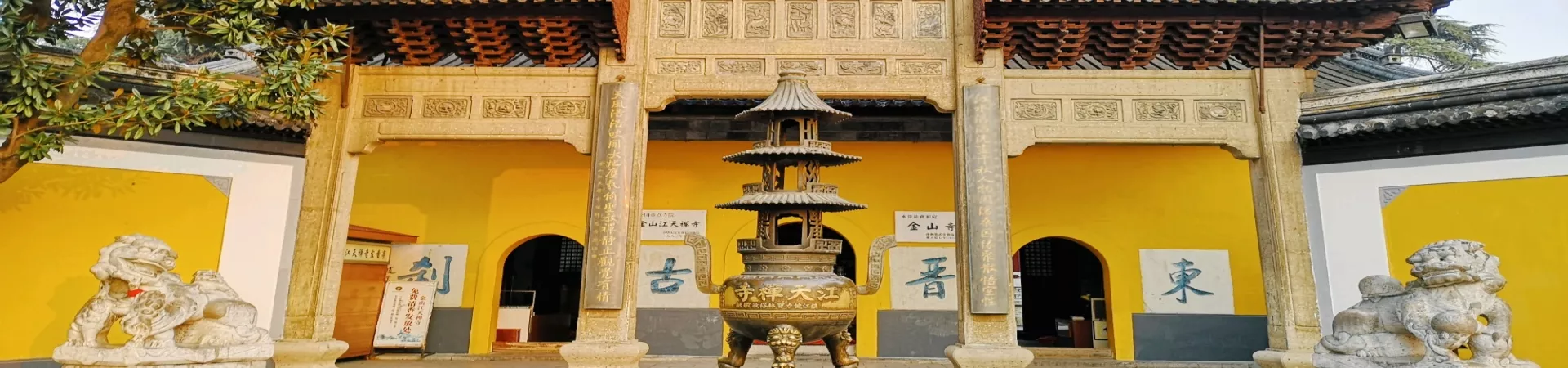
Subtitle: A Journey Through Time, Legend, and Serenity at Zhenjiang's Golden Mountain
Nestled in the historic city of Zhenjiang, Jiangsu Province, the Golden Mountain (Jinshan) Scenic Area stands as a captivating testament to nature's artistry, profound Buddhist culture, and the enduring power of Chinese folklore. More than just a park, it is a cultural touchstone where geology, history, and legend intertwine seamlessly.
1. A Landscape Shaped by Time: From River Island to Lakeside Hill The very foundation of Jinshan is a story written by the mighty Yangtze River. Originally, it was an island perched majestically in the middle of the river's flow. Over centuries, as the Yangtze's course gradually shifted northward, sedimentation eventually connected Jinshan to the southern bank by the end of the Qing Dynasty (around the early 1900s). Today, it rises beside a serene expanse of water, a remnant of the old river course, serving as a permanent record of geological transformation. This unique history as a river island is key to understanding its strategic importance and mystical aura throughout the ages.
2. The Architectural Marvel: Jinshan Temple and the "Temple Embracing the Mountain" Dominating the hill is the magnificent Jinshan Temple (Jinshan Si), the heart and soul of the scenic area. The temple's layout gives rise to its most famous characteristic: the saying "At Golden Mountain, the temple wraps the hill." From a distance, visitors are greeted by the stunning sight of numerous pavilions, halls, and pagodas—adorned with resplendent golden glazed tiles—climbing up the slopes and obscuring the hill itself, creating an illusion of a floating palace complex.
2.1. Ascending the Pagoda for Panoramic Splendor A visit is incomplete without exploring the temple's intricate architecture. The complex is a harmonious series of halls, including the Heavenly King Hall, the Grand Hall, and various meditation chambers. The crowning experience is the ascent of the Pagoda (often the Cishou Pagoda or historically significant structures). From its upper levels, one is rewarded with a breathtaking panoramic view. The glittering golden roofs of the temple cascade below, while the modern city of Zhenjiang and the tranquil waters surrounding the hill stretch into the distance, offering a perfect blend of sacred tranquility and scenic beauty.
3. Where Legends Come to Life Jinshan is eternally enshrined in the Chinese collective imagination through iconic legends. It is the very stage for two of the most beloved tales:
3.1. The Flood of White Snake This is perhaps the most famous association. Jinshan Temple is the site of the epic confrontation in the legend of the White Snake (Madame White). The benevolent snake spirit, Bai Suzhen, is said to have flooded Jinshan in a desperate attempt to rescue her husband, Xu Xian, who was held captive by the abbot, Fahai. The "water overwhelming Golden Mountain" scene is a cornerstone of Chinese folklore, imbuing every corner of the temple with a sense of mythical drama and tragic romance.
3.2. The War Drumbeats of Liang Hongyu Adding a note of patriotic valor is the story of Liang Hongyu, a heroic female general from the Southern Song Dynasty. She is famously depicted standing on Jinshan, beating war drums to rally and inspire the Song troops fighting against invading Jin forces on the river. This legend echoes from the cliffs, transforming the site into a symbol of courage and resilience.
4. Seasonal Celebrations and Vibrant Events The scenic area pulsates with life through annual events that blend spiritual practice with natural appreciation.
4.1. The New Year's Eve Bell-Ringing Ceremony As the year draws to a close, Jinshan Temple hosts a grand and solemn Bell-Ringing Ceremony on its Buddhist square on December 31st. Thousands gather to listen to 108 strikes of the ancient bell, a Buddhist practice believed to dispel misfortune and usher in peace, happiness, and good fortune for the coming year. It is a profoundly moving experience of collective hope and spiritual renewal.
4.2. The Summer Lotus Exhibition From June through August, the water gardens and ponds around Jinshan transform into a painter's palette during the Lotus Exhibition. Myriad varieties of lotus flowers bloom in shades of pink, white, and red, their elegance and purity reflecting Buddhist symbolism of enlightenment rising from murky waters. Strolling among these blooms provides a refreshing and aesthetically pleasing counterpoint to the historical and architectural exploration.
5. Essential Visitor Information
5.1. Admission Fees * Standard Ticket: 50 RMB (adults). * Concession Ticket (25 RMB): Applies to full-time students (undergraduate and below) with a valid student ID, and seniors aged 60-69 with valid identification. * Free Admission: Granted to children under 1.4 meters or 6 years old, seniors aged 70 and above, individuals with disabilities, and active military personnel with valid credentials. * Note: Fees are for reference; please confirm with the scenic area on the day of your visit.
5.2. Operating Hours The scenic area is open daily from 08:00 to 17:00, with last admission at 16:30.
5.3. Recommended Visit Duration A thorough exploration to appreciate the temple, climb the pagoda, enjoy the gardens, and absorb the atmosphere typically requires 1 to 3 hours.
5.4. Transportation The most convenient public access is by bus. Multiple lines (including 17, 40, 49, 102, 115) stop at the Jinshan Gongyuan (Golden Mountain Park) bus station. From there, it is a short and straightforward walk of approximately 260 meters to the entrance.
5.5. Contact For inquiries, you may contact: 0511-85512992 or 0511-85512780.
A visit to the Golden Mountain Scenic Area is thus a multi-layered journey. It is a walk through geological time, an ascent through architectural brilliance, a pilgrimage into the heart of timeless stories, and a participation in living cultural traditions, all set against a backdrop of serene natural beauty.