Desa Shimo Tofu Village
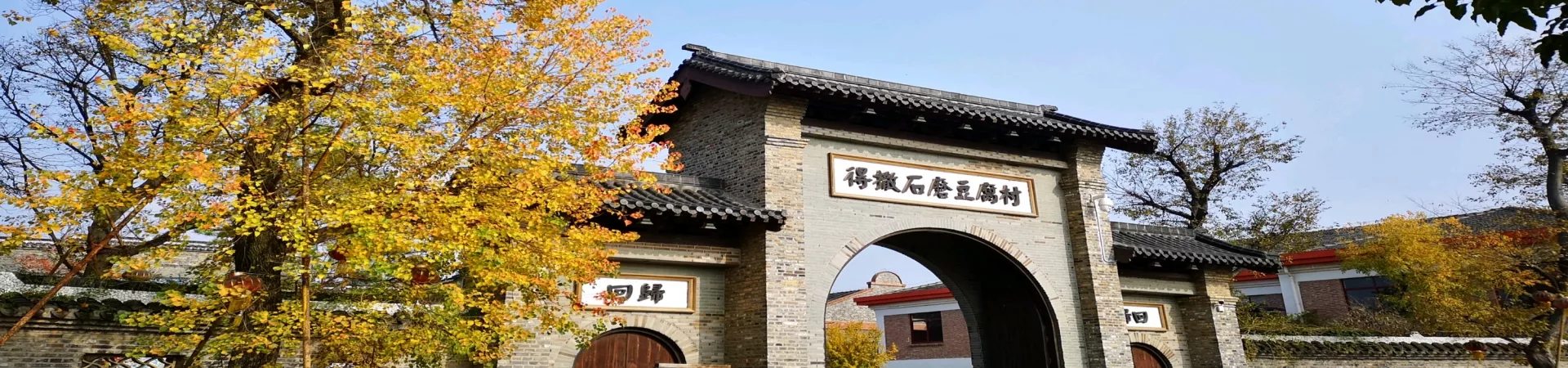
Subtitle: A Journey to Simplicity: Discovering the Timeless Charm of Deza Stone Mill Tofu Village
Introduction: A Sanctuary of Serenity
Nestled within the verdant embrace of Maoshan Town in Jurong City, a unique destination offers a profound escape. This is Deza Stone Mill Tofu Village, a place where the very air seems to whisper an invitation to slow down. Far removed from the clamor of urban sprawl, the haze of pollution, and the relentless pace of modern life, the village presents itself as a sanctuary. Its entrance gate is framed by two poignant concepts: one side reads "Return" (回归), and the other "Come Back" (归回). This is more than a welcome; it is a philosophical proposition, setting the tone for an experience that reconnects visitors with simpler, more foundational rhythms of life. Here, amidst rolling hills and clear waters, the village unfolds as a living tapestry of traditional Chinese aesthetics, artisanal food, and pastoral tranquility.
Architectural Harmony: Beauty Crafted from Memory
The physical soul of Deza Village lies in its exquisite architecture, which masterfully blends preservation with artistry.
- A Philosophy of "Repairing the Old as Old": The village's buildings are not mere replicas. They are carefully constructed and restored using reclaimed materials—aged bricks and tiles, weathered wooden doors and windows. This commitment to "修旧如旧" (repairing the old to look old) ensures every structure carries the authentic patina of time, radiating a deep, unforced charm.
- A Symphony of Vernacular Styles: The architectural design is a curated celebration of China's diverse residential heritage. Strolling through the lanes, one encounters the intimate courtyards (合院) of northern dwellings, the practical yet elegant arcades of southern骑楼 (qilou), and the graceful, fire-resistant gables known as马头墙 (horse-head walls) from Huizhou-style buildings. This is not a museum display but a harmonious village where these elements coexist, creating a streetscape that is both visually stunning and deeply familiar, evoking a powerful sense of homecoming.
The Village Tapestry: Life, Flavor, and Craft
Within this beautiful architectural setting thrives a vibrant, community-focused ecosystem. The village is organically arranged, with various attractions and experiences nestled naturally among the "homes."
- The Heartbeat: Tofu Culture: As the name declares, tofu is the star. The village's signature Tofu Banquet is a culinary journey, transforming humble bean curd into a dazzling array of dishes. Visitors can witness the traditional process firsthand in the stone mill tofu workshops, where beans are patiently ground and transformed using age-old techniques. This dedication to slow food is a core part of the village's identity.
- A Lively Microcosm: Beyond tofu, the village pulses with activity. A snack street offers local flavors and treats, while a tailor's shop hints at traditional handicrafts. Charming guesthouses (民宿) provide lodging that is in perfect harmony with the surroundings. The landscape itself is a classic Chinese garden painting come to life: small bridges arch over gentle streams, willows drape over lotus ponds, flowers and trees thrive in lush abundance, and sunlight filters through leaves to create "疏影横斜" (sparse, slanting shadows).
The Authentic Rural Experience: Beyond the Picturesque
Deza Village is, authentically, a working village. This authenticity is what elevates it from a scenic spot to a place of genuine immersion.
- A Working Landscape: It boasts farmland, orchards, and gardens that supply its kitchens. A sprawling lotus lake adds to the serenity and provides habitat. The presence of grazing cattle and sheep completes the pastoral scene. This integration means the beauty you see is functional and alive.
- Engaging Hands-On Activities: The invitation here is to participate. Visitors are encouraged to go boating on the lake, try their hand at fishing, pick fresh fruit in the orchards, feed the friendly animals, or engage in hands-on crafting workshops. It is a place designed for doing, not just seeing.
Practical Information for Your Visit
Getting There: The most convenient route is to take a high-speed train to Zhenjiang Station. From there, transfer to a local public bus heading toward Maoshan. Inform the driver or conductor that you wish to alight at "Doufu Cun" (Tofu Village), which is a stop along the way.
Admission and Hours: * Ticket Price: Admission to the village is free. * Open Hours: The village is open 24 hours a day, every day of the year.
Making the Most of Your Trip: For those feeling weary from the noise and rush of city life, Deza Village offers a perfect respite. The recommendation is to stay for a few days. Savor multiple meals of wholesome, stone-milled tofu and farmhouse cuisine. Spend your days wandering, engaging in leisurely activities, and your nights resting in a quiet guesthouse, lulled to sleep by the chorus of stars, moonlight, and crickets. It is an opportunity to truly disconnect and recharge.
Note: The practical details provided (e.g., contact number, travel time suggestion of one day as a reference) are based on the information supplied. As these are subject to change, it is always advisable to check for any official updates before finalizing your travel plans.