Beigushan Park - Ganlu Temple
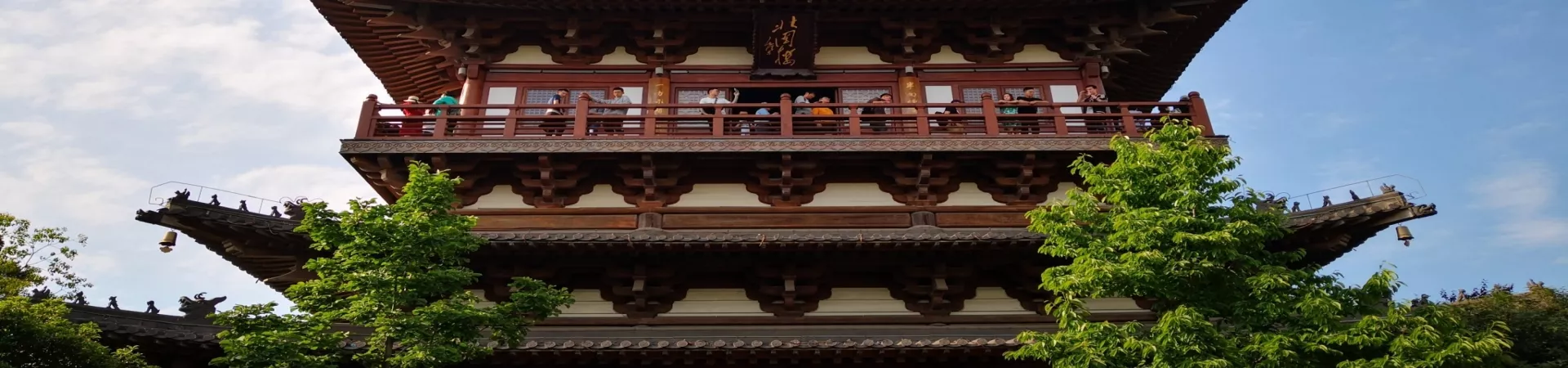
Subtitle: A Journey Through History, Poetry, and Legend on the Banks of the Yangtze
Introduction: The Mountain of Three Kingdoms Lore Perched upon the dramatic cliffs of Beigu Mountain, which rises defiantly from the southern bank of the mighty Yangtze River, the Ganlu Temple is far more than a single place of worship. It is the spiritual and narrative heart of what is often called the "Mountain of the Three Kingdoms." This title is no mere marketing phrase; it is a testament to the site's profound immersion in one of China's most celebrated historical epochs. While the temple itself is a point of focus, its true significance is unlocked by understanding its integration within the larger landscape of Beigu Mountain—a landscape forever animated by tales of heroism, strategic alliances, and poetic inspiration. For over a millennium, this combination of natural grandeur and human drama has drawn statesmen, warriors, poets, and scholars, each leaving behind layers of culture that transform a simple visit into a walk through a living history book.
The Legendary Backdrop: Sun-Liu Alliance and the Marriage that Shaped History The soul of Beigu Mountain and Ganlu Temple is inextricably tied to the romantic and political legend from the Three Kingdoms period (220-280 AD). According to the historical novel Romance of the Three Kingdoms, this was the stage for a pivotal event: the marriage alliance between Sun Quan, ruler of the Eastern Wu kingdom, and Liu Bei, founder of the Shu Han kingdom. As the story goes, this was not merely a wedding but a high-stakes political maneuver fraught with tension and potential treachery. Local lore often identifies Ganlu Temple as a key setting within this drama, a place where strategies were whispered and fates were intertwined. This episode imbues the mountain with an aura of boldness and cunning. It is this very "heroic spirit" that later poets would sense—a palpable energy of ambition, loyalty, and destiny that seems to echo in the wind off the river. The temple, therefore, stands not in isolation but as a central character in this enduring national narrative, a silent stone-and-wood witness to a story that defined an age.
A Beacon for Poets: Where Landscape Inspires Literary Mastery The potent mix of breathtaking geography and stirring history made Beigu Mountain an irresistible muse for China's literary giants. The panoramic vista from its heights—where the immense, rolling waters of the Yangtze meet the sky—has sparked profound emotions for centuries. The most famous literary connection is the renowned poet-statesman Xin Qiji (1140–1207 AD) of the Southern Song Dynasty. His lyric poem "To the Tune of Yongyule: In Memory of the Past at Beigu Pavilion in Jingkou" is a masterpiece of poignant patriotism and melancholy, composed directly in response to this very scenery. Lines from his work, and those of many others like Lu You, have become inseparable from the identity of the mountain. They translated the visual spectacle of turbulent waters and rugged cliffs into metaphors for national resilience, personal sorrow, and unfulfilled ambition. Visiting Ganlu Temple and walking the paths of Beigu Mountain is, in essence, traversing the pages of classical Chinese poetry. Each overlook and ancient tree seems to whisper the verses it inspired, allowing visitors to see not just a river, but the flow of literary history itself.
Practical Information for the Modern Visitor To fully appreciate the experience, practical planning is essential. Ganlu Temple is accessed as part of the wider Beigu Mountain Scenic Area.
1. Location & Access The site is located in Jingkou District, Zhenjiang City, Jiangsu Province. Its most striking feature is its commanding position on the cliff face of Beigu Mountain, overlooking the Yangtze River.
2. Transportation Public transportation in Zhenjiang is convenient for reaching the park. Multiple bus lines have stops at "Ganlu Temple Station," including routes 4, 8, 116, 130, 133, 135, D3, K112, and K208. Taxis and ride-hailing services are also readily available within the city.
3. Admission and Hours * Admission Fee: Entry to Ganlu Temple is included within the overall ticket for the Beigu Mountain Scenic Area. There is no separate ticket required solely for the temple. * Opening Hours: The scenic area is open daily from 07:30 to 17:30. This schedule is generally maintained throughout the year, from January 1st to December 31st.
4. Suggested Duration A comprehensive visit to the Beigu Mountain Scenic Area, including a thoughtful exploration of Ganlu Temple, its associated pavilions, historical sites, and the mountain paths, typically requires 1 to 3 hours. A brief, rushed visit would do little justice to the site's layered appeal. Allocating sufficient time allows for contemplation of the views, engagement with the history, and a moment of quiet reflection within the temple grounds.
5. Additional Contact For the most current information, especially regarding special events or temporary closures, visitors can contact the scenic area management at 0511-88812169.