Zhengzhou Museum
A Comprehensive Guide to Zhengzhou Museum: A Journey Through Millennia of Central Plains Civilization
Nestled in the heart of Henan Province, often referred to as the cradle of Chinese civilization, the Zhengzhou Museum stands as a premier cultural institution dedicated to the preservation, research, and exhibition of the region's profound historical legacy. Functioning as the central hub for archaeological specimens in the Zhengzhou area, it is not merely a repository of artifacts but a dynamic center for public education and scholarly exploration. For any visitor seeking to unravel the intricate tapestry of China's ancient past, a visit to this museum offers an unparalleled and immersive journey through time.
1. An Overview of the Collections and Significance The museum's strength lies in its vast and systematically curated collection, which boasts over 20,000 cultural relics spanning hundreds of thousands of years. These artifacts collectively narrate the continuous story of human activity and cultural development in the Central Plains, one of the most pivotal regions in Chinese history. The collection is particularly renowned for its comprehensive holdings from key archaeological sites around Zhengzhou, providing tangible evidence of the region's pivotal role from prehistoric times through the flourishing of early dynastic states.
2. Key Exhibits and Treasures The museum's exhibits are thoughtfully organized to guide visitors through a chronological and thematic exploration. The highlights are many, each section shedding light on a distinct era.
2.1. Prehistoric Foundations: From Ancient Fauna to Neolithic Villages The journey begins in deep time, with fossils of ancient elephants and other fauna dating back 400,000 to 500,000 years, setting the stage for the region's ancient natural environment. The narrative then moves to the dawn of human society, featuring exquisite production tools and daily life utensils excavated from renowned Neolithic sites such as Dahe Village and Dianjuntai. These artifacts are quintessential representatives of the Yangshao and Longshan cultures, illustrating the sophistication of early agricultural communities, their pottery craftsmanship, and social structures.
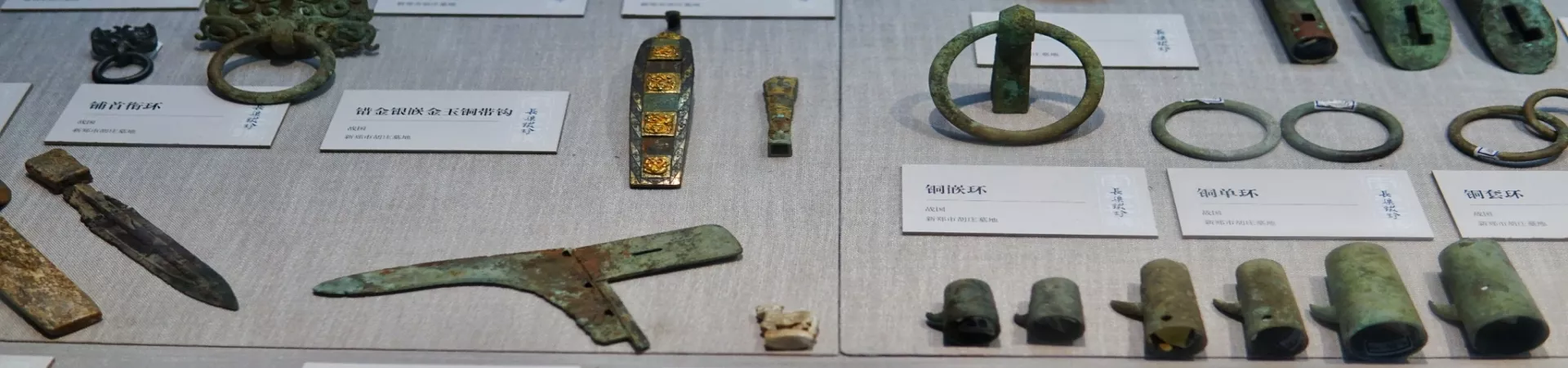
2.2. The Glorious Dawn of Chinese Civilization: The Zhengzhou Shang City A cornerstone of the museum is its display dedicated to the Zhengzhou Shang City Ruins, a major archaeological discovery confirming the site as an early capital of the Shang Dynasty (c. 1600-1046 BCE). This section is a treasure trove of early Chinese artistry and technology. * 2.2.1. Ritual Bronzes: The collection includes a remarkable array of bronze ritual vessels, weapons, and tools. These items, characterized by their dignified forms and intricate motifs like the taotie (animal mask), are not only artistically magnificent but also vital for understanding the Shang dynasty's advanced metallurgy and its complex ritualistic and political systems. * 2.2.2. Ancient Jades and Proto-Porcelain: Alongside the bronzes, visitors can admire finely worked jade artifacts, which held great symbolic significance, and rare examples of early proto-porcelain, showcasing the origins of China's future ceramic mastery.
2.3. Artistic Expressions from Han to Song Dynasties The museum's collections brilliantly capture the artistic evolution in the centuries that followed. * Han Dynasty Pictorial Bricks: A distinctive collection features Han Dynasty (206 BCE–220 CE) pictorial bricks from around Zhengzhou. These bricks, adorned with stamped or carved designs depicting myths, daily life, and auspicious symbols, offer a vivid, grassroots perspective on Han society and beliefs. * Sculptural Elegance: Stone Carvings from Wei to Song: The museum houses a series of stone Buddhist statues and steles from the Wei (386-535 CE), Tang (618-907 CE), and Song (960-1279 CE) dynasties. These works reflect the profound influence of Buddhism on Chinese art, with the Tang pieces often noted for their serene expressions and flowing robes, embodying the peak of classical Buddhist sculpture. * A Literary Masterpiece in Stone: Among the most celebrated single artifacts is the stone engraving of Su Shi's (Su Dongpo) cursive script transcription of "The Record of the Old Drunkard's Pavilion." This piece marries the literary genius of one of China's most beloved poets and scholars with the sublime art of Chinese calligraphy, making it a cultural relic of exceptional value.
2.4. The Refinement of Later Imperial and Modern Eras The later galleries showcase the continued artistic refinement of the region, featuring vibrant and diverse ceramics from various kilns, as well as delicate and expressive paintings and calligraphy works by renowned masters from the Ming (1368-1644), Qing (1644-1912), and modern periods. This part of the collection demonstrates the enduring legacy and adaptation of Chinese artistic traditions.
3. Essential Visitor Information To ensure a smooth and enjoyable visit, please take note of the following practical details.
3.1. Admission and Hours Admission to the Zhengzhou Museum is free of charge for all visitors, making it an accessible cultural destination. Operating hours vary slightly by season: * Winter Hours (December 1 - February 28/29): Open from 9:00 AM to 4:30 PM, with last entry at 4:30 PM. The museum is closed on Tuesdays for maintenance during this period. * Summer Hours (June 1 - August 31): Open from 9:00 AM to 5:00 PM, with last entry at 5:00 PM. The museum is closed on Tuesdays for maintenance during this period. * Note: Hours for the spring and autumn months (March 1 - May 31 & September 1 - November 30) may differ; it is advisable to confirm in advance.
3.2. Location and Transportation The museum is conveniently located within the city. The most straightforward way to reach it is by public bus. Visitors can take bus routes 273, 298, 46, 560, or 58 and alight at the "Shi Bowuguan" (City Museum) station. From the bus stop, the museum entrance is within short walking distance.
3.3. Planning Your Visit A thorough exploration of the museum's extensive collections typically requires 1 to 3 hours. It is recommended to start from the earlier historical periods and proceed chronologically to fully appreciate the narrative of cultural development. The museum provides an ideal environment for both casual learning and in-depth study, with informative placards in both Chinese and English accompanying the exhibits.