Mt. Song
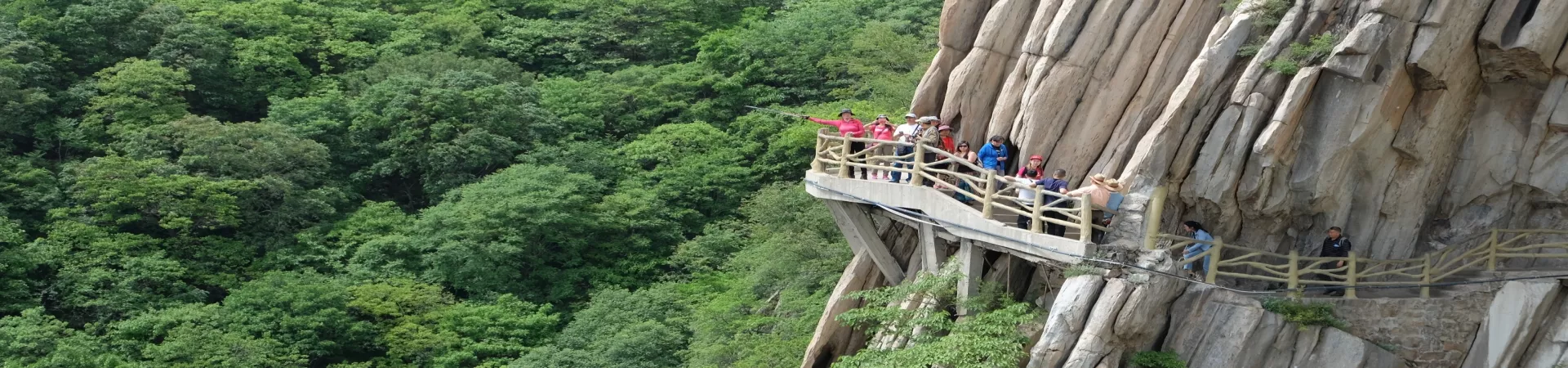
A Comprehensive Visitor's Guide to Songshan Mountain Scenic Area, Zhengzhou
Nestled in the heart of China's Central Plains, near the city of Dengfeng in Zhengzhou, Henan Province, the Songshan Mountain Scenic Area stands as a monumental pillar of Chinese natural and cultural history. Revered as the Central Sacred Mountain (中岳, Zhong Yue) among China's Five Great Mountains, it is not merely a geological wonder but a profound spiritual epicenter, particularly sacred in Taoist Quanzhen tradition. Recognized as a UNESCO Global Geopark and a top-tier national scenic area, Songshan's landscape is a dramatic tapestry of rugged peaks, deep valleys, and historical sites that collectively narrate the story of Chinese civilization.
Getting There and Essential Information
- Transportation: The most convenient public transport from Dengfeng city center is the Dengfeng Bus No. 8. Alight at the Yongtai Temple (永泰禅寺) bus stop. From there, a scenic walk of approximately 20 minutes will lead you to the main entrance of the scenic area.
- Opening Hours: The scenic area is generally open from 08:00 to 17:00 daily, with last admission at 16:30. It is advisable to confirm timings ahead of your visit as they can be subject to change.
- Admission Fees: Songshan is divided into several ticket zones, allowing visitors to tailor their experience. A standard one-day itinerary often involves visiting multiple zones.
- Shaolin Temple Scenic Zone: Approximately 80 RMB.
- Songyang Scenic Zone: This includes several sites: Songyang Academy (50 RMB), Taishi Mountain (50 RMB), Fawang Temple (20 RMB), Qimu Tower (50 RMB), and Huishan Temple (40 RMB).
- Zhongyue Scenic Zone: Covers Zhongyue Temple (30 RMB) and Luyan Waterfall (50 RMB).
- Important Note: Visitors aged 60 and above (with ID), individuals with disabilities, active-duty military personnel, and disabled veterans can enter free of charge with valid documentation. All ticket information is for reference; please verify the latest prices and policies at the official ticket counters before your visit.
- Suggested Duration: A full day is recommended to appreciate at least one or two of the core areas without rush. For a deep exploration of all cultural and natural sites, consider a two-day visit.
Exploring the Dual Peaks: Taishi and Shaoshi Mountains
The mountain range is naturally divided by the Shaolin River, forming two distinct massifs that define its character.
- Taishi Mountain (East): Symbolizing stability and grandeur, Taishi Mountain is the larger of the two. It is home to some of the area's most ancient cultural landmarks, including the revered Zhongyue Temple, a key site for Taoist worship and imperial mountain sacrifices throughout history.
- Shaoshi Mountain (West): Famous for its sheer cliffs and martial heritage, Shaoshi Mountain is the legendary birthplace of Shaolin Kung Fu. It houses the world-renowned Shaolin Temple, a name synonymous with Chinese martial arts and Chan (Zen) Buddhism.
Cultural and Historical Heartlands
Songshan's slopes are an open-air museum of Chinese intellectual, religious, and architectural history.
- The Cradle of Chinese Learning: Songyang Academy Designated as one of the Four Great Ancient Academies of China, the Songyang Academy is a site of immense scholarly prestige. For centuries, it was a leading center for Confucian learning, attracting renowned scholars and philosophers. Walking through its serene courtyards and lecture halls offers a tangible connection to China's imperial examination system and scholarly traditions.
- A Sanctuary of Faith: Temples and Monasteries
The mountain is a unique confluence of China's "Three Teachings" – Buddhism, Taoism, and Confucianism.
- Shaolin Temple: More than just a martial arts school, Shaolin Temple is the seminal temple of Chan Buddhism. Witness the daily life of monks, explore the Pagoda Forest (a UNESCO World Heritage site), and, if timing permits, watch awe-inspiring demonstrations of Shaolin Kung Fu.
- Zhongyue Temple: As one of the earliest and most significant Taoist temples in China, its architecture reflects imperial design, with numerous halls, courtyards, and ancient cypress trees that have witnessed over a thousand years of ritual and prayer.
- Other Notable Sites: Fawang Temple and Huishan Temple are other ancient Buddhist complexes offering quieter contemplation amidst historical architecture and beautiful mountain backdrops.
Natural Wonders and Geological Significance
Beyond its cultural treasures, Songshan is a UNESCO Global Geopark showcasing approximately 3.5 billion years of Earth's geological history. The exposed rock sequences are like a textbook of tectonic evolution.
- Luyan Waterfall: A highlight of the Zhongyue scenic zone, this cascading waterfall is particularly spectacular after the rainy season, offering a refreshing contrast to the historical sites.
- Hiking and Landscapes: Trails ranging from gentle paths to more strenuous climbs allow visitors to experience the area's diverse flora, unique rock formations, and breathtaking panoramic views of the Yellow River Plain.
In essence, a journey to Songshan Mountain is a journey through the very foundations of China. It is where the earth's ancient bones meet humanity's enduring quest for meaning, discipline, and beauty. From the silent wisdom of the academy and the spiritual power of its temples to the dynamic energy of Kung Fu and the awe-inspiring natural landscape, Songshan provides a profoundly rich and multi-layered experience for every visitor.