Shaolin Temple
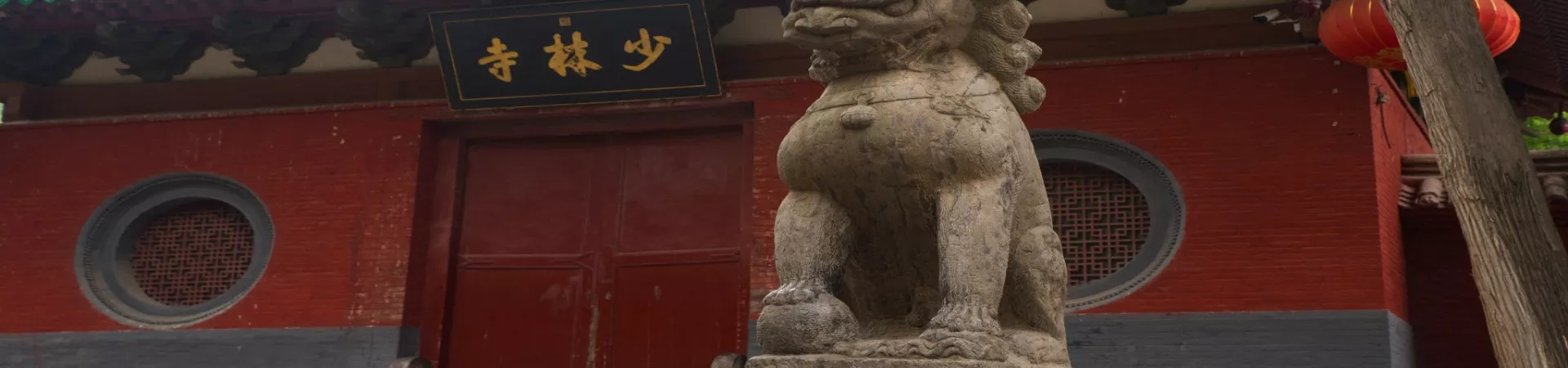
Subtitle: A Journey to the Cradle of Zen and Kung Fu: The Shaolin Temple Visitor's Guide
1. Introduction: The Soul of Chinese Martial and Spiritual Heritage
Nestled at the foot of the Songshan Mountain in Dengfeng City, near Zhengzhou in Henan Province, the Shaolin Temple stands as a monumental pillar of Chinese culture. It is universally revered as the birthplace of Chan Buddhism (Zen) and the epicenter of Shaolin Kung Fu. This ancient monastery transcends its role as a mere religious site; it is a living museum, a vibrant academy, and a symbol of discipline where spiritual pursuit and martial prowess have been intertwined for over fifteen centuries. A visit here is not just a tour but an immersion into a legacy that has profoundly shaped philosophies, arts, and physical disciplines across Asia and the world.
2. Historical and Cultural Significance: From Zen Ground Zero to Global Icon
2.1 The Cradle of Chan (Zen) Buddhism Founded in the late 5th century during the Northern Wei Dynasty, the Shaolin Temple's greatest spiritual contribution was its role in nurturing Chan Buddhism. According to tradition, the Indian monk Bodhidharma (Da Mo) meditated in a cave near the temple for nine years, initiating the Chan school that emphasizes meditation and direct insight into one's nature. This established Shaolin as the "ancestral temple" of Chan Buddhism, a spiritual lineage that would later flourish in Japan as Zen and influence thought worldwide.
2.2 The Birthplace of Shaolin Kung Fu The temple's second, equally legendary, contribution is martial arts. It is said that Bodhidharma also introduced exercises to help monks maintain physical health during long meditation sessions. These evolved, combined with Chinese martial techniques, and were refined over centuries of practice and necessity—including defending the temple from bandits—into the comprehensive system known as Shaolin Kung Fu. The temple is thus the hallowed ground where Buddhist pacifism uniquely adapted to include the disciplined art of self-defense.
2.3 The Modern Cultural Phenomenon The temple's global fame skyrocketed following the release of the 1982 Hong Kong film "Shaolin Temple," starring Jet Li. This movie captivated international audiences, transforming Shaolin Kung Fu from a venerable tradition into a global cultural sensation. Today, the temple is a symbol of Chinese culture, attracting visitors eager to witness the authentic home of the martial arts legends seen in countless films and demonstrations.
3. Exploring the Temple Complex: Architectural Harmony and Sacred Sites
The temple complex is a splendid example of traditional Han Chinese Buddhist architecture, with symmetrical layouts, ornate upturned eaves, and serene courtyards. Key sites within the area include:
3.1 The Main Temple Compound (Changzhu Yuan) This is the active heart of the monastery, consisting of a series of halls along a central axis. Landmarks include the Hall of Heavenly Kings (Tianwang Dian), the majestic Mahavira Hall (Daxiong Baodian)—the main prayer hall housing Buddha statues—and the Pavilion of Thousand Buddhas (Qianfo Dian), known for its impressive frescoes of martial arts poses. The Stele Forest within the compound houses priceless stone tablets inscribed with calligraphy by historical figures.
3.2 The Pagoda Forest (Ta Lin) Located about 300 meters west of the main temple, this is one of the most iconic sights. It is a cemetery for eminent monks and abbots, featuring over 240 stone and brick pagodas from various dynasties (Tang, Song, Jin, Yuan, Ming, and Qing). Each pagoda's style, number of stories, and decorations reflect the era and achievements of the monk interred within, making it a unique architectural history book in stone.
3.3 The Dharma Cave (Da Mo Dong) and the First Ancestor's Shrine (Chuzu An) Perched on the Wuru Peak behind the temple, the Dharma Cave is the revered site where Bodhidharma is believed to have meditated facing a wall for nine years. The hike offers beautiful views and a tangible connection to the temple's origins. Nearby, the First Ancestor's Shrine, built in the 11th century to honor Bodhidharma, is a gem of Song Dynasty architecture renowned for its detailed stone columns and reliefs.
4. Practical Visitor Information: Planning Your Pilgrimage
4.1 Ticket Information * Entrance Fee: The standard admission ticket for the Shaolin Temple Scenic Area (which includes access to the main temple, Pagoda Forest, and nearby martial arts demonstration areas) is 80 RMB per person. * Notes: Prices are subject to change. There are often combined tickets available that include other attractions in the Songshan Mountain area or performances. It is highly recommended to check the official website or confirm at the ticket office for the latest pricing, student/senior discounts, and package options.
4.2 Opening Hours * The scenic area is generally open from 08:00 to 16:30 daily, with last entry at 16:00. These hours apply year-round but may be adjusted during national holidays or special events. Arriving early is advisable to avoid crowds and fully experience the serene morning atmosphere.
4.3 Recommended Duration of Visit * To thoroughly explore the main temple, Pagoda Forest, watch a Kung Fu demonstration, and perhaps take a short hike towards the Dharma Cave, a minimum of 3 to 4 hours is recommended. Visitors with a deep interest in history, architecture, or martial arts may wish to allocate 5-6 hours or even a full day, especially if planning to explore the wider Songshan Geopark.
4.4 Transportation: How to Get There Shaolin Temple is located approximately 80 kilometers southwest of Zhengzhou. Here are the primary transportation options: * From Zhengzhou: Take a direct tourist bus from the Zhengzhou Central Long-Distance Bus Station (Zhengzhou Qiche Zhongxin Zhan). The journey typically takes about 2 hours. * From Luoyang: Buses depart from the Luoyang Long-Distance Bus Station to Dengfeng or Xuchang. Ask to alight at the Shaolin Temple intersection. The trip takes roughly 1.5 hours, from where you can walk or take a short local transport to the ticket office. * From Dengfeng City: The most convenient local option is Public Bus No. 8 from the Dengfeng West Bus Station. This affordable ride takes approximately 30 minutes directly to the temple entrance.
4.5 Contact Information * For general inquiries, you can contact the temple administration at 0371-62745599 or 0371-62745000.