Erqi Memorial Tower
Subtitle: A Monument to Labor, A Beacon of the City: Exploring Zhengzhou's Erqi Memorial Tower
1. Introduction: The Heartbeat of Zhengzhou
Rising from the bustling epicenter of Zhengzhou, the Erqi Memorial Tower (Erqi Jinianta) is far more than a city landmark. It is a profound symbol of historical memory, architectural uniqueness, and the vibrant spirit of modern Zhengzhou. Situated in the expansive Erqi Square, this distinctive twin-towered structure serves as a permanent memorial to the pivotal Erqi (February 7th) Strike of 1923 on the Beijing-Hankou Railway. For visitors, it offers a multifaceted experience: a journey into a defining chapter of China's modern industrial and labor history, an opportunity to appreciate a notable piece of 20th-century architecture, and a chance to enjoy one of the best panoramic views over the ever-evolving cityscape of a major Chinese metropolis.
2. Historical Significance: Commemorating the Erqi Strike
2.1. The Historical Event The tower's primary purpose is to honor the courage and sacrifice of the railway workers during the 1923 Beijing-Hankou Railway Workers' Strike. This massive labor action, which began on February 4th, was a seminal event in the early Chinese labor movement, representing organized industrial workers' demands for better rights and dignity. Its tragic conclusion on February 7th, which gave the strike its name, left a deep imprint on the nation's consciousness. The tower stands on this historically significant ground, ensuring that the story of the workers' struggle is not forgotten.
2.2. The Memorial's Role Constructed later to immortalize this event, the Erqi Memorial Tower functions as both a monument and an educational museum. It transforms abstract historical dates into a tangible, immersive experience. By visiting, one connects with a crucial narrative of social change, understanding how this event contributed to the fabric of modern Chinese history. It is a place for reflection on the themes of solidarity, resilience, and social progress.
3. Architectural Design and Layout
3.1. Unique Twin-Tower Structure The most striking feature of the Erqi Memorial Tower is its unique architectural form: two identical five-sided towers standing side-by-side and connected seamlessly, creating a并联式 (parallel) structure. This design is not only aesthetically pleasing but also deeply symbolic, potentially representing the unity of the workers or the twin pillars of memory and progress. Its simple yet elegant lines and solid structure make it a classic example of socialist memorial architecture from its era, standing in harmonious contrast to the glass-and-steel commercial buildings that now surround Erqi Square.
3.2. Interior Configuration The interior layout cleverly utilizes the twin-tower design. Each tower houses a different function: * The Spiral Staircase Tower: One tower contains a spiral staircase that winds its way up to the observation decks. The ascent itself is part of the experience, offering shifting interior perspectives of the tower's structure. * The Exhibition Hall Tower: The other tower is dedicated to the historical exhibition. It houses a collection of artifacts, documents, photographs, and detailed narrative panels related to the 1923 strike. These exhibits provide context, showcase personal stories of the individuals involved, and trace the impact of the event.
4. Visitor Experience and Practical Information
4.1. The Museum Exhibition The exhibition halls are the core of the historical visit. Arranged across several floors, the displays systematically guide visitors through the causes, progression, key figures, and aftermath of the strike. The artifacts, which may include workers' tools, personal belongings, and historical newspapers, add a poignant, human dimension to the historical facts. Informative bilingual captions (Chinese and English) help international visitors grasp the significance of the displays.
4.2. The Panoramic City View After engaging with the history, visitors take the spiral staircase or elevator to the top observation deck. This is the reward for the ascent: a 360-degree, open-air panorama of Zhengzhou. From this vantage point, one can observe the stark contrast between the older city districts and the soaring new skyscrapers, trace the paths of major avenues, and get a literal overview of the city's layout. It is an excellent spot for photography, especially during the clear hours of late afternoon.
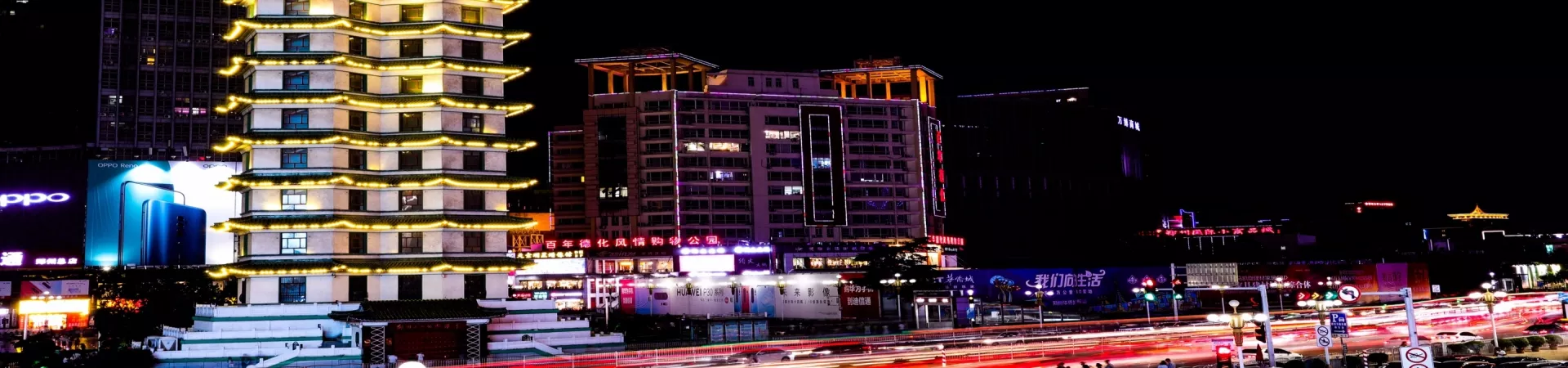
4.3. The Nighttime Transformation As dusk falls, the tower undergoes a dramatic transformation. An elaborate system of multicolored internal and external lights is activated, illuminating the twin structures against the night sky. The tower shifts from a solemn daytime memorial into a vibrant, colorful beacon at the heart of the city's nightscape. Seeing the tower both by day and by night offers two completely different, yet equally compelling, experiences.
4.4. Essential Visitor Details * Admission: Entrance to the tower is completely free of charge. * Entry Procedure: Visitors are required to present their second-generation ID card (Chinese citizens) or passport (foreign visitors) for security screening at the entrance before admission. * Opening Hours: The tower is open daily from 8:30 AM to 6:00 PM, with the last admission at 6:00 PM. It is advisable to arrive at least an hour before closing to allow sufficient time for the visit. * Suggested Duration: A thorough visit, including viewing all exhibition floors and spending time on the observation deck, typically takes about 1 hour. * Transportation: The tower is exceptionally accessible. It is located directly on Erqi Square (Erqi Guangchang). Multiple public bus routes stop nearby, including buses 109, 26, 28, 2, 32, and 34. Alight at the "Erqi Square Zhengxing Street" bus stop, and the tower is within short walking distance. The square is also a major hub easily reached by taxi or metro. * Contact: For any inquiries, visitors can call +86 371 66966713.