Zhaotong Museum
Zhaotong Museum: A Gateway to the Diverse Heritage of Northeast Yunnan
Nestled in the heart of Zhaotong City, the capital of Zhaotong Prefecture in Yunnan Province, the Zhaotong Museum stands as a modern cultural landmark and an essential portal for understanding this historically rich and geographically dramatic region of China. Far more than a simple repository of artifacts, the museum serves as a narrative center, weaving together the intricate threads of natural history, ancient civilizations, ethnic diversity, and revolutionary legacy that define Northeast Yunnan. For any visitor seeking to move beyond the region's stunning natural scenery and delve into the soul of its people and land, a visit to this museum is an indispensable starting point.
A Journey Through Time and Terrain
The Natural Foundation: Geology and Ecology Before human history began, the land itself was being shaped. This section of the museum dedicates itself to explaining the formidable and picturesque landscape of Zhaotong. Through detailed geological models, mineral specimens, and paleontological finds, visitors can comprehend the forces that created the region's deep river valleys, towering mountains, and karst formations. Exhibits on local flora and fauna highlight the unique biodiversity of this part of Yunnan, setting the stage for understanding how the environment influenced human settlement and cultural development.
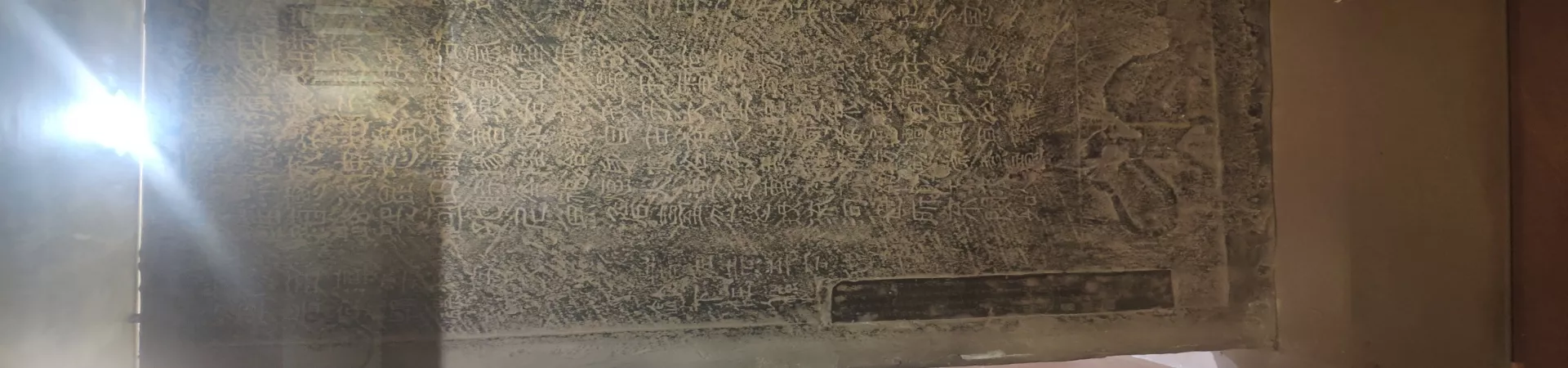
Echoes of Antiquity: From Neolithic Settlements to the Bronze Age The museum's archaeological galleries transport visitors back millennia, showcasing evidence of some of Yunnan's earliest human activity. Artifacts from Neolithic sites reveal the beginnings of agriculture and pottery. The narrative then progresses to the spectacular Bronze Age, a period for which this region is particularly renowned. Displays of intricately cast bronze drums, weaponry, and ritual vessels from the ancient Dian culture and other local kingdoms are often centerpieces. These objects, characterized by vivid depictions of warfare, ceremony, and daily life, speak volumes about a sophisticated society with its own distinct artistic and spiritual worldview, contributing crucially to the story of ancient Chinese civilization beyond the Central Plains.
The Living Tapestry: Culture and Ethnicity
The Mosaic of Ethnic Groups Zhaotong is home to a vibrant mosaic of ethnic communities, including the Yi, Miao, Hui, and others, alongside the Han majority. This section of the museum offers a colorful and immersive exploration of their living traditions. Exquisitely crafted traditional costumes, adorned with intricate embroidery and silver ornaments, are displayed. Visitors can explore dioramas and models of characteristic architecture, from the sturdy blockhouses of the Yi to the distinctive homes of other groups. The exhibits thoughtfully explain the social structures, festivals, and agricultural practices that have sustained these communities for generations.
Threads of Intangible Heritage Beyond material culture, the museum actively works to preserve and present intangible cultural heritage. This includes demonstrations and explanations of local folk arts, music, and dance. The haunting melodies of the Yi people's mouth harp (hulusheng) or the lively steps of Miao festival dances are given context here. Traditional crafts such as batik, weaving, and lacquerware are also featured, illustrating the skill and aesthetic philosophy embedded in everyday objects.
Modern Epochs: Trade, Revolution, and Development
The Southern Silk Road and Commercial History Zhaotong's strategic location made it a vital node on the ancient Southern Silk Road (or Sichuan-Yunnan-Burma Road), a network of trails facilitating trade between China, Southeast Asia, and beyond. Exhibits in this section map these routes and display trade goods like tea, salt, silk, and horses. This history explains Zhaotong's long-standing role as a commercial and cultural crossroads, fostering exchange and shaping its outward-looking character.
A Crucible of Revolutionary History In more recent history, Zhaotong played a significant role in China's revolutionary struggles. The museum dedicates space to this pivotal era, particularly the Red Army's Long March, which passed through the region's challenging terrain. Photographs, documents, and personal effects tell the story of local participation, hardship, and strategic maneuvers. This section connects the land's physical toughness to the resilience of its people during a transformative national period, offering insight into an important chapter of modern Chinese history.
Planning Your Visit
Practical Information for Visitors The Zhaotong Museum is designed to be accessible and informative for all visitors. It features clear bilingual signage (Chinese and English), thematic exhibition halls, and often hosts temporary exhibitions on specific topics. The museum employs a range of display technologies, from carefully curated artifact displays to interactive multimedia stations, catering to different learning preferences.
Location and Accessibility Situated within Zhaotong's urban center, the museum is easily reachable by public transport or taxi. Its architecture often incorporates design elements reflective of local aesthetics, making it a distinctive part of the cityscape.
Opening Hours and Contact The museum is open to the public from 9:00 AM to 5:00 PM, Tuesday through Sunday, with last admission at 4:30 PM. It is closed on Mondays for maintenance. For the most current information, especially regarding special exhibitions or holiday schedules, visitors can contact the museum directly at 0870-3189029.
In essence, the Zhaotong Museum masterfully condenses the vast narrative of a complex region into a coherent and engaging experience. It moves seamlessly from the formation of its mountains to the forging of its bronze treasures, from the rhythms of ethnic village life to the echoes of revolutionary footsteps. A tour through its halls is not merely an educational outing but a deep dive into the very identity of Zhaotong, providing the essential context that enriches every subsequent encounter with the region's landscapes and people. It is the key that unlocks a much deeper appreciation for this captivating corner of Yunnan.