The Western Grand Canyon
Subtitle: A Journey Through Yunnan's Grand Canyon: From Soaking in Hot Springs to Exploring Untamed Natural Wonders
1. Introduction: Two Perspectives on a Natural Marvel
When travelers speak of the "Western Grand Canyon" in Yunnan, they may be referring to one of two magnificent, yet distinct, concepts. The first is a specific, renowned resort destination, while the second encompasses a vast, awe-inspiring geographical phenomenon that stretches across hundreds of kilometers. Both offer unparalleled insights into the dramatic landscapes of northeastern Yunnan, where the mighty Jinsha River carves its path through the heart of the region.
2. The Narrow Definition: Western Grand Canyon Hot Spring Resort
2.1. Location and Geological Formation This well-known tourist spot is located in Shuifu City, Yunnan Province. It is highly accessible, situated approximately 32 kilometers from Yibin city in Sichuan Province and only about 4 kilometers from downtown Shuifu. The canyon here is a direct result of the Jinsha River's tumultuous journey. As the river flows through the Xiangjiaba area, it encounters mountain ranges with elevations exceeding 500 meters. This dramatic change in topography forces the river into a narrow, steep valley, creating a spectacular scene characterized by verdant mountains, a rushing narrow gorge, and perilous waters. This particular section is what is locally and popularly known as the Western Grand Canyon.
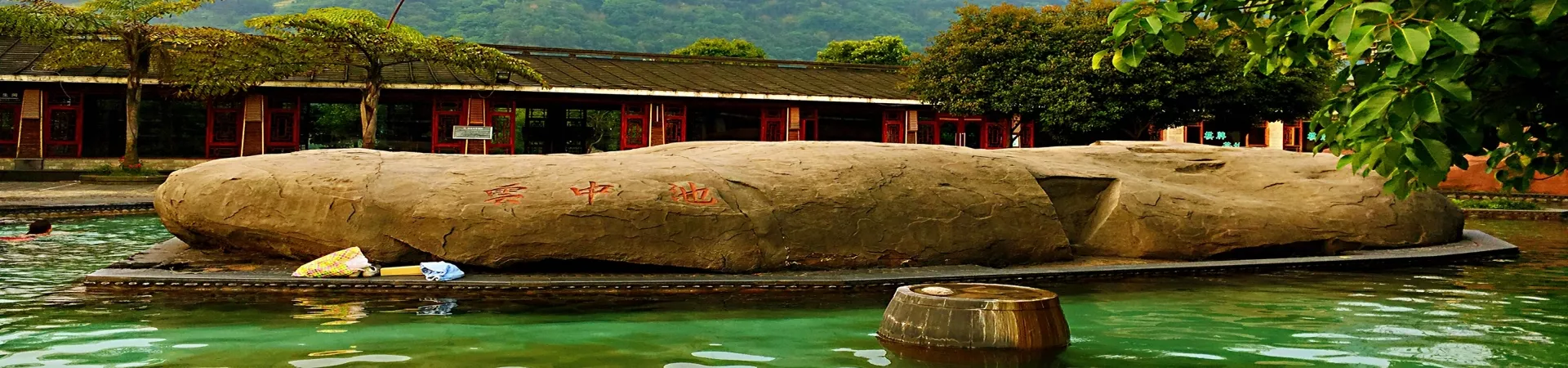
2.2. The Premier Experience: Thermal Springs The resort has capitalized on this unique location by developing a premier hot spring complex. The mineral-rich waters, set against the backdrop of the roaring Jinsha River and steep canyon walls, provide a serene yet dramatic bathing experience. It serves as a perfect base for relaxation and enjoying the most accessible part of the canyon's beauty.
2.3. Practical Visitor Information * Opening Hours: 08:00 AM - 02:00 AM the following day (year-round, Monday through Sunday). * Admission Fee: The standard ticket, which includes access to the hot springs, is priced at 108 RMB. * Recommended Visit Duration: A minimum of 3 hours is suggested to fully enjoy the hot spring facilities and the immediate canyon scenery.
Please Note: The above information is for reference only. It is always advisable to check with the scenic area on the day of your visit for the most current operational details and pricing.
3. The Broad Definition: China's Western Thousand-Li Grand Canyon
Beyond the hot spring resort lies a far more expansive and breathtaking natural wonder. In its broadest sense, the Western Grand Canyon refers to the entire 1,300-kilometer-long Jinsha River canyon stretching from Qiaojia County to Shuifu City. This "Thousand-Li Grand Canyon" winds like a colossal serpent across the Yunnan-Guizhou Plateau, representing one of China's most profound geological features.
3.1. A Landscape of Extreme Topography The scale of this canyon is staggering. It begins near the 4,040-meter-high Dayaoshan Mountain in Qiaojia and descends to about 267 meters at Gungkanba in Shuifu. With a maximum depth of approximately 2,040 meters and a valley floor width varying from a mere 50 meters to a expansive 2,000 meters, the landscape is one of constant dramatic contrast. This ever-changing scenery makes it a paradise for exploration and adventure tourism, where every turn in the river reveals a new vista.
3.2. Key Attractions Along the Canyon Corridor The journey through the grand canyon corridor is dotted with nationally significant scenic, ecological, and cultural sites:
3.2.1. Natural Reserves and Forest Parks * Yaoshan National Nature Reserve: Centered around the majestic Dayaoshan Mountain, this reserve is a biodiversity hotspot. * Luohanba and Tongluoba National Forest Parks: These parks offer pristine forest ecosystems, hiking trails, and tranquil landscapes away from the river's roar. * Daguan Huanglian River Waterfall Group: A celebrated scenic area famous for its series of spectacular and picturesque waterfalls. * Xiaocaoba Scenic Area: Renowned for its beautiful alpine meadows, forests, and unique seasonal landscapes.
3.2.2. Cultural and Historical Sites * Dousha Ancient Town & Shimen Pass: This ancient town features the awe-inspiring Shimen Pass, a sheer cliff-face gateway known as the "First Pass into Yunnan." It is a historic checkpoint on the ancient Southern Silk Road. * Weixin Zaxi Conference Memorial Site: A site of significant importance in modern Chinese revolutionary history, offering "red tourism" insights.
3.2.3. Unique Ecological Sanctuaries * Dashanbao National Park: Perhaps one of the most remarkable sites, Dashanbao is the world's largest wintering habitat for the endangered Black-necked Crane. From October to April, watching these graceful birds against the backdrop of the canyon's highland wetlands is an unforgettable experience.
4. Conclusion: A Destination of Contrast and Depth
Whether seeking the curated relaxation of a world-class hot spring nestled in a dramatic river gorge or the untamed adventure of exploring one of China's longest and deepest river canyons, the region encompassing the Western Grand Canyon delivers. It is a destination where geothermal comfort meets raw natural power, and where a journey can encompass serene forest baths, historical reflection, and profound wildlife encounters, all within the overarching frame of the majestic Jinsha River Canyon. The choice is not between the narrow and broad definitions, but rather how deeply one wishes to immerse themselves in this layered and magnificent corner of Yunnan.