Qingguanting Park
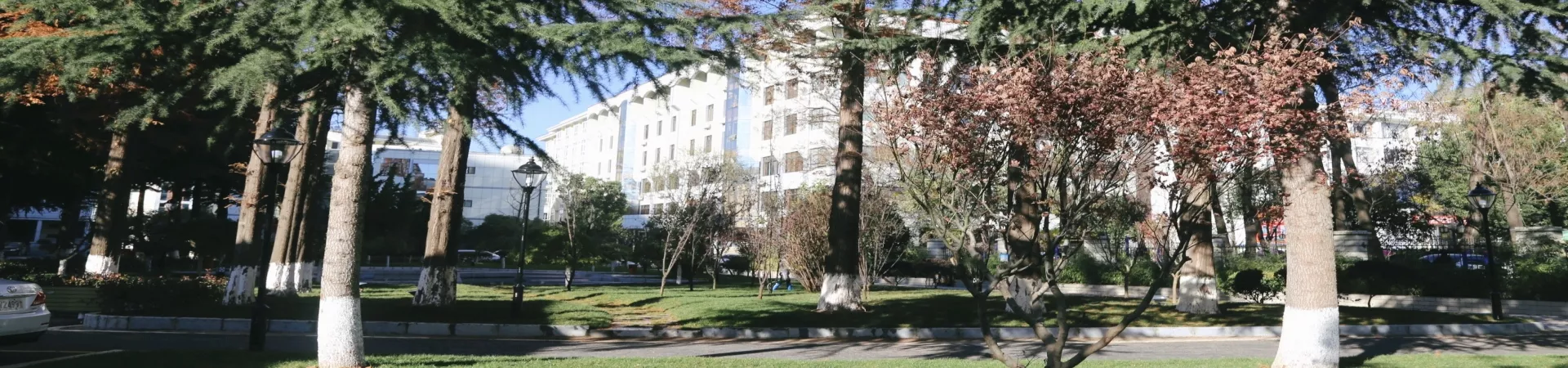
Subtitle: A Serene Urban Oasis Blending History, Horticulture, and Harmony
1. Introduction to Qingguan Ting Park Nestled in the northwestern corner of Zhaotong city in China's Yunnan Province, Qingguan Ting Park stands as the most accessible urban garden for the city's residents. Despite its compact footprint within the urban landscape, the park masterfully unfolds a captivating tapestry of scenery that transforms distinctly with each passing season. More than just a green space, it is a cultural sanctuary where history, poetic philosophy, and the art of classical Chinese garden design converge, offering visitors a peaceful retreat and a journey through time.
2. The Historical Heart: The Qingguan Ting Pavilion 2.1. Origins and Legacy The park's soul and namesake is the Qingguan Ting Pavilion. This elegant structure, originally named the Sanduo Tang Pavilion, dates back to the 14th year of the Jiaqing reign in the Qing Dynasty (1809). It was commissioned by Wang Yu, the county magistrate of the time. The pavilion is a two-story waterside pavilion with an external corridor, gracefully situated in the center of a pond and connected to the bank by a stone bridge, covering a built area of 305 square meters. The name "Qingguan Ting," meaning "Pavilion of the Upright Official," was bestowed in honor of Magistrate Wang Yu's reputed integrity and clean governance, a legacy physically anchored in the landscape.
2.2. Architectural Evolution and Cultural Inscription The pavilion seen today is the result of a reconstruction in the 21st year of the Republic of China (1932). Its cultural significance is profoundly encapsulated in a couplet, composed by the local scholar Rao Qikao, which hangs before the pavilion. It reads: "This bit of water is not much, yet one official has left his purity behind and departed; This place is untainted by worldly dust, who will tread the path of vanity and fame again?" This poetic reflection elevates the site from a mere architectural relic to a space for contemplation on virtue and detachment.
3. The Park's Development and Layout 3.1. Modern Expansion and Design Philosophy In 1982, the Zhaotong municipal government invested in formally developing the area surrounding the historic pavilion into a comprehensive public park. An additional two hectares of land were incorporated, significantly expanding its scope. The design philosophy clearly drew inspiration from the classical gardens of Suzhou, emphasizing balance, concealed beauty, and the harmonious interplay of natural and man-made elements. The expansion involved excavating winding ponds, constructing additional pavilions and waterside galleries, and embarking on extensive horticultural cultivation.
3.2. Key Features and "Garden within a Garden" Concept The park's layout, though not vast, is rich with diverse features that encourage exploration. Key additions include artificial rockeries, the Xinyue Garden, an animal corner, the Mandarin Duck Pavilion, a children's playground, and a bonsai display room. The park expertly employs the "garden within a garden" technique. The newer Bonsai Garden and the Hall of Mirrors (Haha Jing Garden) are self-contained scenic spots nestled within the larger park. A striking two-story tower and a modern waterside pavilion stand in mutual enhancement, while two artificial hills rise strategically beside the main pool, creating focal points and a sense of depth.
4. A Seasonal Symphony of Flora and Ambiance The park's true magic reveals itself through its ever-changing botanical display, which dictates its atmosphere throughout the year.
4.1. Spring and Summer Spectacle In early spring, particularly around March, the park awakens with the soft blush of blooming peach blossoms, resembling clusters of red clouds, complemented by the gentle drape of willow tendrils. As summer arrives, the air becomes saturated with the intoxicating fragrance of roses. Pomegranate flowers burst forth with their characteristic fiery red blaze. This vibrant display of colors and scents along the pathways is mirrored in the pond below, where playful fish dart among floating aquatic plants, creating a scene of utter serenity that delights the senses and invites visitors to linger.
4.2. Structural Harmony and Lasting Impression Throughout the seasons, the park's architectural elements—pavilions, towers, water galleries, and bridges—remain artfully framed by lush groves of trees, their reflections often shimmering in the calm water. This careful composition, where architecture is subsumed by and in dialogue with nature, is the essence of its cited Suzhou-style charm. The experience is one of layered discovery: the historical narrative of the central pavilion, the playful diversion of the children's area, the contemplative beauty of the bonsai, and the pure sensory enjoyment of the gardens. It is a multifaceted urban oasis that offers respite, cultural connection, and a continuous, beautiful dialogue between the works of human hands and the cycles of the natural world.