Dragon Family Ancestral Hall
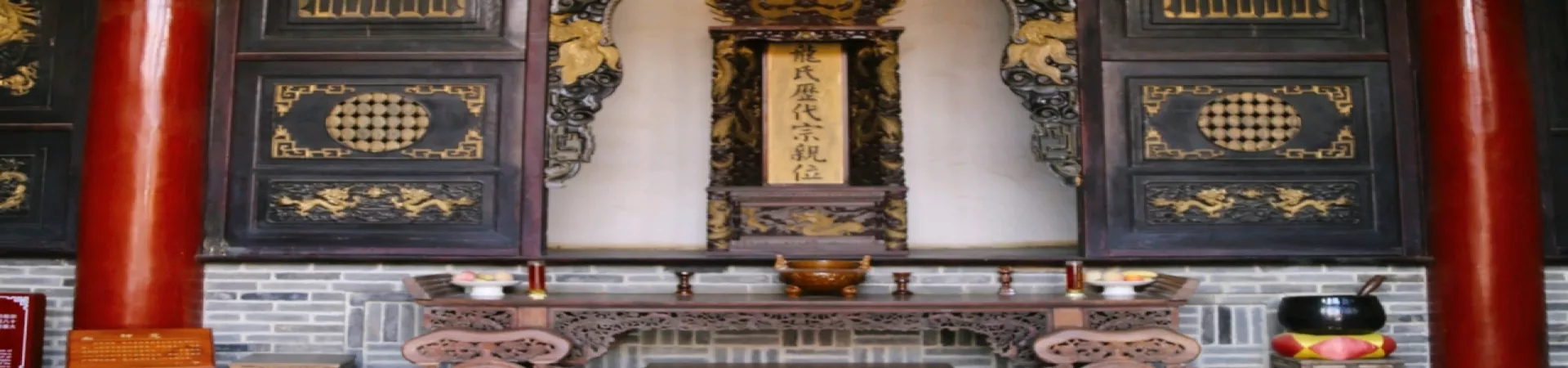
Subtitle: A Journey Through Time: Unveiling the Long Clan Ancestral Hall in Zhaotong
Introduction: A Portal to History in Yunnan's Northeast
Nestled in the northeastern reaches of Yunnan Province, within the urban expanse of Zhaotong City, lies a monument of profound historical and cultural resonance—the Long Clan Ancestral Hall (龙氏家祠). More than just an ancestral temple, this architectural complex stands as a silent yet eloquent chronicle of the powerful Long family, whose influence shaped the modern history of Zhaotong and the broader Yunnan-Guizhou region in the late 19th and early 20th centuries. For the discerning visitor, a trip here is not merely a sightseeing stop but an immersive journey into a pivotal era of social transition, local power structures, and exquisite artistic synthesis. The hall masterfully blends diverse architectural styles, housing within its walls stories of loyalty, ambition, family legacy, and the complex interplay between traditional Chinese values and emerging modern forces.
1. Historical Context and Significance: The Rise of the Long Clan
1.1. The Architect: Long Yun and His Legacy To understand the Ancestral Hall is to understand the man behind it: Long Yun (龙云, 1884-1962). Rising from humble beginnings, Long Yun became one of the most significant military and political figures in modern Yunnan history, governing the province as its chairman for nearly two decades from 1927 to 1945. His rule was marked by relative stability, modernization efforts, and a complex relationship with the central government. The construction of the Long Clan Ancestral Hall, initiated in 1930, was a deeply personal project. It served as a tangible manifestation of his filial piety—a core Confucian virtue—aimed at honoring his ancestors and consolidating the Long family's status and spiritual roots. It was, in essence, a physical declaration of the clan's prominence and a center for conducting sacred rituals to venerate forebears.
1.2. A Mirror to an Era The Hall's very existence and its architectural narrative reflect the tumultuous period of the early Republic of China. It was an era marked by the decline of imperial systems, the rise of regional warlords, and the search for a new national identity. The Long Clan Ancestral Hall embodies this transition. It represents the persistence of traditional clan-based social organization and Confucian ideals, even as the country grappled with modernization. The site thus offers invaluable insights into how local power was cultivated, displayed, and perpetuated in the frontier regions of China during a time of great change.
2. Architectural Grandeur and Artistic Synthesis
2.1. Layout and Spatial Philosophy The complex is a meticulously planned ensemble covering a significant area. It follows a traditional Chinese axial layout, with key structures arranged symmetrically along a central north-south axis, reflecting hierarchical order and harmony. The main buildings typically include the main hall (where ancestral tablets are housed), ceremonial gates, side chambers, and sometimes a theatrical stage for performances during rituals. This layout guides visitors on a symbolic journey from the secular world into the sacred space of the ancestors.
2.2. A Fusion of Styles What makes the Long Clan Ancestral Hall exceptionally captivating is its eclectic architectural fusion, a direct result of Long Yun's exposure and the region's unique position.
- Local Yunnan and Bai Influences: The basic structural framework, timber work, and courtyard design are deeply rooted in the vernacular architecture of Yunnan.
- Central Plains (Zhongyuan) Elegance: Elements from traditional Han Chinese temple and palace architecture are evident in the roof forms (often featuring upturned eaves with ridge ornaments), the use of dougong (bracket sets), and the overall grandeur, signifying the family's alignment with mainstream Chinese high culture.
- Western and Modern Touches: Reflecting the era's openness, one can find subtle or distinct Western influences. These may include the use of arched windows, decorative plasterwork, colored glass, or structural techniques borrowed from European architecture. This blend creates a unique aesthetic that is both familiar and novel.
2.3. Decorative Artistry The hall is adorned with exquisite craftsmanship. Intricate wood carvings depicting auspicious symbols, myths, and flora/fauna adorn beams and friezes. Brick carvings and stone sculptures showcase high levels of artisan skill. Murals and painted decorations, though possibly faded by time, would have once added vibrant layers of color and narrative. The calligraphy on plaques and couplets is often of high artistic value, containing poems or maxims that express the family's values, aspirations, and scholarly pursuits.
3. The Visitor Experience: Practical Information and Immersive Exploration
3.1. Planning Your Visit * Admission and Hours: The site is committed to public accessibility. It is open free of charge to all visitors. The operating hours are from 09:00 to 18:00 daily, throughout the year (Monday to Sunday, from January 1st to December 31st). This allows for flexible planning, though mornings or weekdays may offer a quieter atmosphere for contemplation. * Location and Access: The hall is situated within Zhaotong city, in Yunnan's northeast. Zhaotong itself is connected by air, rail, and road. Visitors can typically reach the site via local taxi or public bus from the city center. It is advisable to check the latest local transportation details or use digital maps for precise navigation.
3.2. Navigating the Complex Upon entering, allow at least 1.5 to 2.5 hours for a thorough exploration. Follow the central axis, starting from the entrance gate. Take time to observe the transition between spaces, the play of light and shadow in the courtyards, and the details on each building.
3.3. Key Areas of Focus * The Main Sacrificial Hall: The spiritual heart of the complex. Here, one can contemplate the ritual significance of ancestor worship and imagine the solemn ceremonies that once took place. * Residential and Auxiliary Wings: These areas provide a glimpse into the daily and ceremonial life of the clan members, offering a more intimate perspective on their world. * Architectural Details: Dedicate time to "reading" the building. Look up at the roof beasts, examine the themes of carvings, and decipher the calligraphy. Each element is a word in the architectural text of the hall's story. * Museum Exhibits: If part of the complex houses a museum or exhibition space, it will likely contain historical photographs, documents, and artifacts related to Long Yun and his family, providing crucial contextual background.
4. Cultural Reflection and Enduring Legacy
4.1. Beyond Bricks and Mortar: The Clan System The Long Clan Ancestral Hall serves as a powerful physical reminder of the Chinese clan system, which for centuries formed the bedrock of social, economic, and even political life in local communities. It was a system of mutual aid, identity, and continuity. Exploring this site prompts reflection on how these traditional structures have evolved or transformed in contemporary society.
4.2. Preservation and Modern Relevance Recognized as a cultural relic protection unit, the hall's preservation is of utmost importance. It stands not as a relic of a bygone feudal past, but as an educational resource. It helps modern visitors understand regional history, architectural evolution, and the complex figures who shaped it. For descendants of the Long family and local residents, it remains a place of historical pride and connection. For all, it is a testament to the craftsmanship and artistic vision of its creators, preserving a unique chapter in China's rich and varied historical tapestry.