Doushaguan
Subtitle: A Journey Through Time at the Ancient Town of Doushaguan, Zhaotong
Introduction: The Gateway to Yunnan
Nestled amidst the dramatic landscapes of Zhaotong City in Yunnan Province, approximately 15 kilometers southwest of Yanjin County, lies the ancient town of Doushaguan. This is far more than a mere scenic stop; it is a living museum, a strategic pivot point where geography and history have intertwined for over two millennia. Perched precariously along the route of the modern National Highway 213, which follows the ancient paths of old, Doushaguan has long served as the critical gateway from Sichuan into Yunnan. Its very location dictated its historical significance, transforming it from a formidable natural barrier into a crossroads of culture, military strategy, and commerce. For any traveler seeking to understand the historical tapestry of Southwest China, a visit to Doushaguan is an essential pilgrimage, offering a tangible connection to eras spanning from the Qin Dynasty to the present day.
1. The Imposing Natural Fortress: A Landscape Carved by Time
1.1. The Strategic "Stone Gate" The defining feature of Doushaguan is its awe-inspiring and intimidating topography. The site is dominated by colossal limestone cliffs that rise abruptly from the banks of the turbulent river below. Two particularly massive rock faces stand directly opposite each other across a deep gorge, creating a natural narrow passage that resembles two gigantic stone doors. This formidable formation gave the place its ancient name during the Sui and Tang Dynasties—"Shimenguan," or the Stone Gate Pass. The terrain is exceptionally steep, with sheer precipices dropping to one side, making the passage inherently defensible. For centuries, this natural bottleneck meant that whoever controlled Doushaguan effectively held the key to the region, able to "lock" the communication channel between the two provinces. The sense of standing at a natural fortress is immediate and palpable, explaining why this spot was chosen for a crucial frontier pass.
1.2. The Legendary "Five-Chi Road" Etched into the face of the towering cliff is one of China's most significant historical trails: the Qin and Han Dynasty "Five-Chi Road" (Wuchi Dao). This ancient pathway, approximately five chi (around 1.15 meters) wide, represents an extraordinary feat of early engineering. Constructed over 2,200 years ago, it was part of a vast network built to consolidate imperial control and facilitate trade and troop movement into the southwestern frontiers. Walking a section of this preserved road—feeling the grooves worn by countless footsteps, horses' hooves, and carriage wheels over centuries—is a humbling experience. It serves as a silent testament to the determination and administrative reach of ancient Chinese empires, connecting the Central Plains with the diverse cultures of Yunnan.
2. Chronicles in Stone: The Cultural Heart of the Pass
2.1. The Enigmatic Cliffside Inscriptions The cliffs of Doushaguan are not only shaped by nature but also adorned by human hands. The most celebrated cultural relic here is the collection of ancient inscriptions carved directly into the rock face. These摩崖石刻 (moya shike) span several dynasties, with the most famous set dating back to the Tang Dynasty. The inscriptions typically record official expeditions, the construction or repair of the road, poems composed by traveling officials, and imperial decrees. They function as a permanent stone archive, documenting the administrative and literary activities associated with this strategic point. The calligraphy itself, enduring wind and rain, is of significant artistic value. These carvings transform the cliff from a mere geological feature into a storied monument, where history is literally written on the landscape.
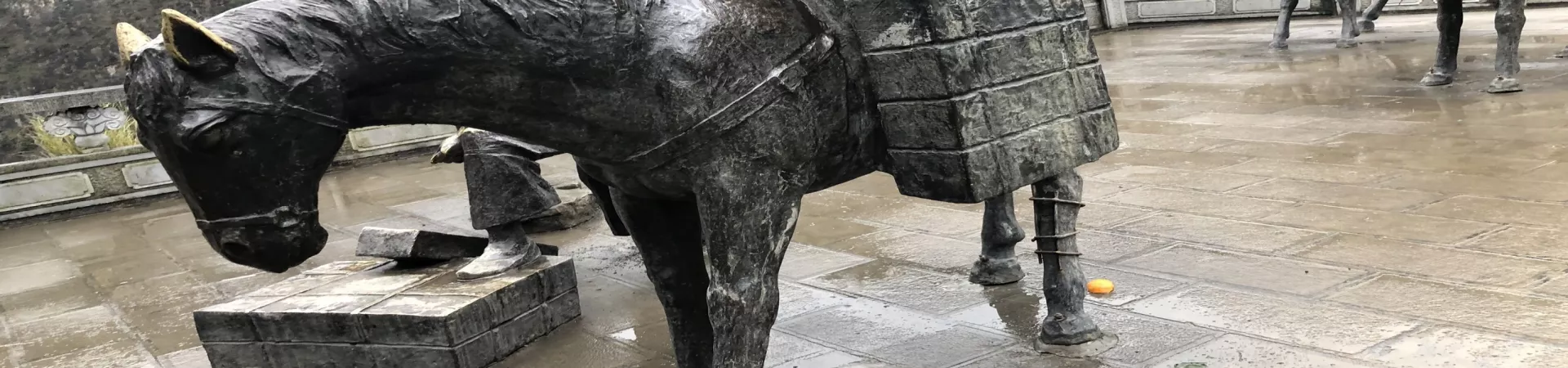
2.2. The Ancient Town's Architecture and Ambiance Beyond the pass itself, the adjacent ancient town of Doushaguan offers a glimpse into more recent centuries. The town's layout and architecture reflect its history as a bustling post station on the Southern Silk Road (or Tea-Horse Road). Traditional wooden structures with tiled roofs line the old streets, some housing museums, craft shops, and local eateries. While parts have been restored for tourism, the atmosphere retains a sense of timelessness, especially when viewed against the backdrop of the majestic cliffs. The town serves as a cultural base from which to explore the pass, providing context about the daily lives of merchants, soldiers, and officials who once thronged this remote but vital location.
3. Practical Information for the Modern Visitor
3.1. Planning Your Visit A comprehensive exploration of Doushaguan Ancient Town and its historical pass typically requires a full day. This allows ample time to hike along a portion of the ancient Five-Chi Road, study the cliff inscriptions, explore the old town's streets and museums, and simply absorb the powerful scenery from various vantage points. The site is officially open to visitors all day, every day of the year. However, the most comfortable and visually rewarding times to visit are during daylight hours, with spring and autumn offering the most pleasant weather conditions.
3.2. Admission and Accessibility Access to the Doushaguan scenic area requires an admission ticket, priced at approximately 60 RMB per person. This fee generally covers entry to the key historical sites, including the viewing platforms for the cliff inscriptions and the preserved sections of the ancient road. The town is accessible via National Highway 213, making it reachable by car or tourist bus from Zhaotong or Yanjin County. Visitors should be prepared for some walking on uneven paths and stone steps, as the historical terrain is naturally rugged. Comfortable footwear is highly recommended.
Conclusion: An Enduring Legacy Standing at Doushaguan, one stands at a confluence. It is where the relentless forces of nature created an impassable barrier, and where human ingenuity and ambition forged a path through it. It is a place where dynasties staked their claim, poets left their verses, and merchants exchanged goods and ideas. From the physical challenge of the Stone Gate and the ancient Five-Chi Road to the intellectual allure of the cliff carvings and the nostalgic charm of the old town, Doushaguan offers a multidimensional historical experience. It remains a powerful symbol of connection—between provinces, between cultures, and between the present and a profoundly rich past.